Total Pageviews

Showing posts with label INDIAN ARMED FORCES. Show all posts

Friday, 26 January 2024

#Republic Day 26 JAN 24 ब्रि हेमंत महाजन प्रजासत्ताक दिनाच्या परेडचे स...

Republic Day 2024:

As the much-anticipated Republic Day approaches, New Delhi gears up for a grand celebration marked by a fusion of tradition, security vigilance, and cultural extravaganza. With over 8,000 security personnel strategically deployed and cutting-edge technology integrated, the national capital is prepared to host the event under the watchful eye of Deputy Commissioner of Police Devesh Kumar Mahla.

This year's Republic Day holds special significance, with President Emmanuel Macron of France gracing the occasion as the Chief Guest. The schedule unfolds a meticulously planned day, blending patriotic ceremonies, a spectacular parade, and a vibrant display of India's cultural mosaic, promising a memorable tribute to the nation's unity, diversity, and progress in 2024.

 Republic Day, 2024 Celebrations


Schedule: 7:30 am - Unveiling of National Pride: The day kicks off with the momentous unfurling of the national flag accompanied by the resonating rendition of the national anthem, symbolizing unity and patriotism.


9:30-10:00 am - Dignitary Arrival and Grand Welcome: The Chief Guest, President Emmanuel Macron of France, is accorded a ceremonial welcome, marking a significant diplomatic moment during the Republic Day celebrations.


10:30 am - Spectacular Parade Commencement: The main event unfolds with the commencement of the Republic Day parade at 10:30 AM.

A spectacle of precision and pageantry, the parade showcases India's rich heritage and diverse cultural tapestry.

Post the parade, the afternoon unfolds with a captivating display of cultural programs that celebrate India's artistic diversity. Simultaneously, the military prowess of the nation takes center stage, highlighting its strength and preparedness.

Key Highlights of Republic Day, 2024: Chief Guest For Republic Day, 2024: President Emmanuel Macron of France graces the occasion as the esteemed Chief Guest, fostering international camaraderie. Republic Day theme, 2024:

This year's themes, "Viksit Bharat" (Developed India) and "Bharat - Loktantra ki Matruka" (India - Mother of Democracy), encapsulate the aspirations and democratic ethos of the nation.

Parade Route: The parade route stretches from Vijay Chowk to Kartavya Path (formerly Rajpath), creating a picturesque journey symbolizing the nation's progress.

Diverse Showcase: The parade features vibrant tableaux representing the cultural and developmental accomplishments of each Indian state.

Marching contingents from the armed and paramilitary forces add a touch of grandeur.

Aerial show by Indian Air Force: 1/25/24, 11:13 PM Republic Day 2024:

The celebration reaches new heights with a breathtaking flypast by the Indian Air Force, leaving spectators in awe of the nation's air prowess. In embracing the spirit of unity, diversity, and progress, the Republic Day celebrations of 2024 promise a visual feast and a memorable tribute to India's rich tapestry.

Friday, 15 September 2023

Preparations begin at Sindhudurg Fort for Navy Day celebrations on December 4


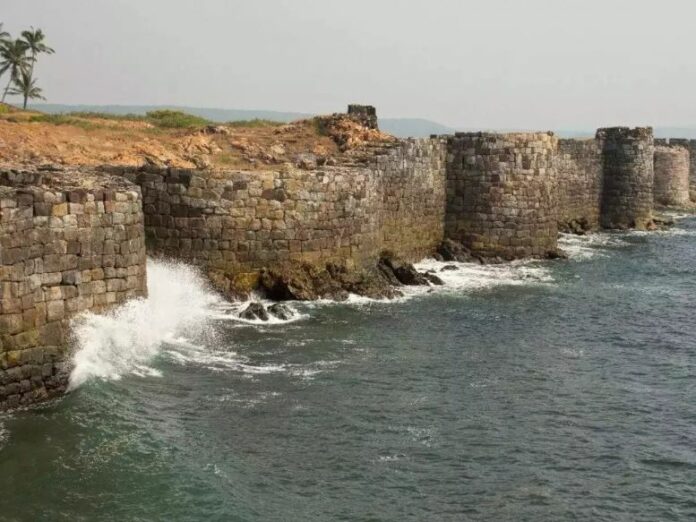
Sindhudurg Fort was chosen as the venue to celebrate Navy Day this year. In keeping with this preparations have begun at the fort premises.

Preparations for Navy Day celebration

Bharatiya Navy celebrates Navy Day on December 4 annually to acknowledge the role of and commemorate the achievements of the Bharatiya Navy in the 1971 war. Navy Day celebrations are aimed at fostering greater outreach, renewing maritime consciousness amongst our citizens and reaffirming the assurance of national security.

This December 4 Navy Day celebrations will be held at the iconic Sindhudurg Fort in the presence of President Srimati Droupadi Murmu and PM Shri Narendra Modi. 70 fighter ships will participate in the celebrations.

As per reports, preparations for Navy Day celebrations began with a team visiting the site on September 1 to inspect it. It must be pointed out that only the fortification walls/rampart fall under the Archaeological Survey of India (ASI) while the premises are owned by several private owners.

The team decided where to set up the helipad, Chhatrapati Shivaji Maharaj’s statue, and other arrangements related to the event. They have sought permission from the locals for the same. A magnificent bronze of Maharaj will be erected close to the fortification wall. The helipad will be constructed close by.

Reports suggest the celebrations would begin on December 1 and go on till December 4. On the first two days, the Navy would hold displays and shows for the public. On the third day, important guests would grace the celebrations and on the final day, the President and PM will participate in the Navy Day celebrations.

It is hoped that the event will bring the glorious history of Sindhudurg before the world. Also, the event is a perfect opportunity to restore the structure to its former glory by undertaking repairs wherever required. The occasion and the repair works will help long-term tourism to the Sindhudurg District and Malvan area. It is expected to provide tourists with an exhilarating experience in the near future too. Additionally, the increased tourism will help the region and its people economically as well.

Sindhudurg Fort

The excursions of his jagir by Chhatrapati Shivaji Maharaj made it amply clear that the Islamic rulers had neglected the ghat region and they hadn’t bothered to strengthen the outposts nor maintained sufficient troops on the hill forts for their defence. Maharaj exploited this negligence on the part of the Mahomedan powers and therefore the first task he undertook was making these hill forts and the region and people surrounding them his own.

fort

The first fort he acquired was Torna using his political acumen and diplomacy. Raje realised very early that forts were the best form of offence and defence. He began executing his plans of Swarajya by acquiring forts in the vicinity of Poona after Torna and Rajgad came under his control. He acquired, built, re-built and rehauled forts at strategic locations. He ensured their proper maintenance and upkeep throughout his reign. He had 370 forts under his command at the time of his death.

Chhatrapati Shivaji Maharaj was one of the few emperors to possess a naval fleet. The inability to capture the Abyssinian stronghold of Janjira due to the naval strength of Janjira chiefs pre-empted Raje to raise a strong navy that would penetrate the Abyssinian defences. He invested 10 lakhs in raising a naval fleet which comprised ships of various kinds and sizes. His naval crew consisted of fishermen, pirates, lascars and other sea-faring tribes.

Although the Raje gained control of the west coast he couldn’t bring the actual fort of Janjira under his command as Siddis sought the protection of Mughals. Raje gave up the thought of undertaking hostilities with the Mughal-Siddi alliance and instead decided to build his own Janjira, a sea fort so strong that it would keep not just the Siddis but also the local Sawantwadi chieftain as well as the neighbouring Portuguese in check. This fort came to be known as Sindhudurg.

Sindhudurg Beach is known for its crescent shape and protruding rocks in the sea, making it a unique geological feature. Sindhudurg Killa, built by Chhatrapati Shivaji Maharaj, is located on a moderate-sized rock near the Malvan coast. It served as the coastal capital of the Maratha Empire and a crucial naval base during Shivaji Maharaj’s time. The rampart walls rising from the sea are remarkable in their height and width. The entrance gate is situated in the northeast direction, and though it was once full of buildings, it now mostly consists of empty shells and a few small temples.

The main temple within Sindhudurg Killa is considered Raje’s cenotaph, where his image is worshipped, and his hands and footprints are preserved with reverence in small domes. It also has water tanks for drinking water. Chhatrapati Shivaji Maharaj recognized the importance of naval power in the Arabian Sea and coastal security, leading to the construction of Sindhudurg around 1665. Additionally, he fortified a smaller island with Padmagad Fort to protect the main fort and built Rajkot and Sarjekot forts on the mainland opposite the town.

Within the fort, there are three notable temples: Jari Mari Temple, Mata Bhavani Temple, and Shri Shiv Rajeshwar Temple, where Chhatrapati Shivaji Maharaj is worshipped as a deity. The Shri Shiv Rajeshwar Temple is a popular tourist attraction. Lastly, there is a beach on the North-Western part of the fort, and a domical structure houses the footprint and hand impression of Chhatrapati Shivaji Maharaj.

Wednesday, 13 September 2023

भारतीय सैन्याच्या ऑपरेशन पोलोने केले हैदराबाद संस्थानाचे भारतामध्ये विलीनीकरण भाग १


जरी भारत 15 ऑगस्ट 1947 ला स्वतंत्र झाला तरी, मराठवाड्यातील जनता मात्र पुढील 13 महिने दोन दिवस पारतंत्र्यात होती. 15 ऑगस्ट 1947 नंतरही स्वतंत्र भारताच्या नकाशावर दक्षिण भारतात निजामाचे हैदराबाद राज्य एकाद्या बेटासारखे होते.निजामाचे गुंड मुस्लिमेतरांवर घोर अन्याय करत होते. 

अखेर ९ सप्टेंबर १९४८ रोजी मंत्रिमंडळाने सैन्याच्या ऑपरेशन पोलोला परवानगी दिली. सप्टेंबर 18, 1948ला भारतिय सैन्याने निजामाचा पराभव केला. हैदराबाद संस्थानाचे भारतामध्ये विलीनीकरण या विलीनीकरणाला आता 75 वर्ष पूर्ण झालेली आहेत. म्हणून हे विलीनीकरण नेमके कसे झाले हे सगळ्या भारतीयांना समजणे गरजेचे आहे. 

ऑपरेशन पोलो नेमकं काय होतं? 

१३ सप्टेंबर १९४८ या दिवशी भारतीय सैन्याने ऑपरेशन पोलो अभियान सुरु केले. सरदार पटेल यांनी भारतीय सैन्य हैदराबादला पाठवले. भारतीय लष्कराच्या या कारवाईला ऑपरेशन पोलो असे नाव देण्यात आले होते, कारण त्यावेळी हैदराबादमध्ये जगातील सर्वाधिक १७ पोलो मैदाने होती. 

हैदराबादमध्ये भारतीय लष्कराची कारवाई पाच दिवस चालली, त्यात १३७३ रझाकार मारले गेले. हैदराबाद राज्याचे ८०७ जवान मारले गेले. भारतीय सैन्याने ६६ जवान गमावले तर ९६ जवान जखमी झाले.

ऑपरेशन पोलो हल्ल्याची योजना

पूर्वेकडील विजयवाडा आणि पश्चिमेकडील सोलापूर - या  दोन  दिशेने हल्ला करायचे ठरले.भारतिय सैन्याने छोट्या तुकड्यांनी सीमेवर हैदराबादी सैन्याला तैनात व्हायला भाग पाडले. एकूणच कमांड लेफ्टनंट जनरल राजेंद्रसिंहजी, यांच्या हाती देण्यात आली.

सोलापूरच्या हल्ल्याचे नेतृत्व मेजर जनरल चौधरी यांनी केले होते आणि त्याचे चार टास्क फोर्स बनलेल होते:

वेगवान इन्फंट्री- घोडदळ आणि हलकी तोफखाना यांचे मिश्रण असलेले स्ट्राइक फोर्स,

स्मॅश फोर्स- ज्यामध्ये प्रामुख्याने आर्मर्ड युनिट्स आणि तोफखाना होता,

किल फोर्स -इन्फंट्री, आणि अभियांत्रिकी युनिट्सचे बनलेले होते

वीर फोर्स -ज्यामध्ये इन्फंट्री, अँटी-टँक आणि इंजिनिअरिंग युनिट्सचा समावेश होता.

विजयवाडा येथून झालेल्या हल्ल्याचे नेतृत्व मेजर जनरल अजित रुद्र यांच्या कडे  होते आणि त्यात 2/5 गुरखा रायफल्स, 17 व्या (पूना) हॉर्सची एक तुकडी, 19 व्या फील्ड बॅटरीची एक तुकडी, अभियांत्रिकी आणि सहायक युनिट्सचा समावेश होता. याव्यतिरिक्त, चार इन्फंट्री बटालियन होत्या. पुणे तळावरून हवाई मदतीसाठी हॉकर टेम्पेस्ट विमानांची दोन पथके तयार करण्यात आली होती.


हैदराबाद मध्ये झालेली कारवाई ही पोलीस ऍक्शन होती की, लष्करी कारवाई यावरती चर्चा आणि वाद आहे.भारत सरकारचे म्हणणे होते की हैदराबाद हे भारताचे एक संस्थान असल्यामुळे, इथे पोलीस पाठवून आम्ही कारवाई करू, म्हणून याला पोलीस ॲक्शन असे म्हटले गेले.

परंतु प्रत्यक्षात यामध्ये फक्त भारतीय सैन्याने लष्करी कारवाई केली होती.

हैदराबाद राज्यावर लष्करी कारवाई 

हैदराबाद राज्याच्या विलिनीकरणासाठी जनतेने जे सत्याग्रह व सशस्त्र आंदोलन केले, हेच आंदोलन भारतीय इतिहासात 'हैदराबादचा स्वतंत्र -संग्राम ' या नावाने ओळखले जाते. त्याआधी सीमेवर घुसखोरी करणार्या निजामी लष्कर व रझाकारी टोळ्यांविरुध्द भारतिय सैन्याने ऑपरेशन कबड्डी चालवले गेले होते. भारतीय सैन्यामध्ये पायदळ, तोफखाना आणि आर्मर्ड युनिट्ससह अंदाजे 40,000 जवानांचा समावेश होता. 

कोडाड येथे चकमक 

निजामाची दादागिरी एवढी वाढली होती की त्यांच्या रझाकार तुकड्यांनी भारताच्या आत येऊन भारताच्या पोलीस चौकीवर हल्ला केला. 6 सप्टेंबर रोजी चिल्लाकल्लू गावाजवळील भारतीय पोलिस चौकीवर रझाकार युनिट्सकडून जोरदार गोळीबार करण्यात आला. भारतीय लष्कराच्या कमांडने अभय सिंग यांच्या नेतृत्वाखाली पूना हॉर्सची एक तुकडी आणि 2/5 गुरखा रायफल्सची एक कंपनी पाठवली. त्यांच्यावरही रझाकारांनी गोळीबार केला. त्यानंतर पूना हॉर्सच्या रनगाड्यांनी रझाकारांचा हैद्राबाद प्रदेशातील कोडाडपर्यंत पाठलाग केला. येथे त्यांना 1 हैदराबाद लान्सर्सच्या चिलखती गाड्यांनी विरोध केला. 

कारवाईत पूना हॉर्सने एक चिलखती गाडी उद्ध्वस्त केली आणि कोडाड येथील राज्य चौकीला आत्मसमर्पण करण्यास भाग पाडले.

भारतीय आणि निजामी सैन्याचे नेतृत्व, शस्त्रे आणि संख्याबळ

भारतीय लष्कराचे कमांडर खालीलप्रमाणे होते.

मेजर जनरल जे.एन. चौधरी: मे 1948 मध्ये, जनरल चौधरी यांनी 1आर्मर्ड डिव्हिजनची कमान हाती घेतली, ज्याने 1948 च्या हैदराबाद ऑपरेशनमध्ये प्रमुख भूमिका बजावली. त्यांनी भारतीय लष्कराच्या हैदराबाद ऑपरेशनचे जनरल ऑफिसर कमांडिंग (GOC) म्हणून काम केले. लष्करी मोहिमेचे नियोजन आणि अंमलबजावणी करण्यात त्यांनी महत्त्वाची भूमिका बजावली. ऑपरेशन पोलोनंतर त्यांची हैदराबाद राज्याचे लष्करी गव्हर्नर म्हणून नियुक्ती करण्यात आली.

दुसरीकडे, हैदराबाद राज्याच्या सैन्यात सुमारे 22,000 जवान होते, जे सुसज्ज आणि संघटित होते.  रझाकार ही निजामाशी एकनिष्ठ असलेली एक खाजगी मिलिशिया होती.

निजामाच्या सैन्यात अरब, रोहिल्ला, उत्तर भारतीय मुस्लिम आणि पठाण यांचा समावेश होता. सैन्यात तीन आर्मर्ड रेजिमेंट(120-150 रणगाडे), एक घोडदळ रेजिमेंट, 11 इन्फंट्री बटालियन (एका बटालियन बरोबर 750 ते 850 सैनिक आणि अधिकारी)आणि तोफखाना यांचा समावेश होता. त्यांना अनेक घोडेस्वार, चार पायदळ बटालियन आणि एक गॅरिसन बटालियन यांची मदत होती.

या सैन्याची कमान मेजर जनरल एल एड्रोस या अरबकडे होती. हैदराबादी सैन्यात 55 टक्के मुस्लिम होते, या व्यतिरिक्त, कासिम रझवी यांच्या नेतृत्वाखाली सुमारे 200,000 अनियमित रझाकार मिलिशिया होते. यापैकी एक चतुर्थांश आधुनिक बंदुकांनी सुसज्ज होते, तर उर्वरित मुख्यतः मझल लोडर बंदुकांनीआणि तलवारींनी सशस्त्र होते.

ऑपरेशन पोलो १३ सप्टेंबर १९४७ – १८सप्टेंबर १९४७ या दरम्यान करण्यात आले. यात ३२ भारतिय सैनिकांनी आपल्या प्राणाचे बलिदान दिले व शेकडो जखमी झाले.

निजामी शासनसत्तेचा प्रतिकार १०९ तासात संपुष्टात आला. १९४८च्या आॅगस्टच्या तिसर्या आठवड्यात ऑपरेशन पोलोची तयारी सुरु झाली. या मोहिमेत फर्स्ट ग्वालियर लान्सर्स, मैसूर लान्सर्स, मेवाड इन्फंट्री, फोर्थ ग्वालियर इन्फंट्री, राजाराम रायफल्स, फर्स्ट मैसूर इन्फंट्री यातील दले कमी महत्वाच्या कामा करता तैनात केली होती. लष्कराला हवाई दलाचे सहाय्य होते.

दुसऱ्या भागामध्ये ऑपरेशनच्या वेगवेगळ्या लष्करी बाबीवर लष्करी डावपेसाचे आपण विश्लेषण करू


Wednesday, 6 September 2023

TOPASSES CARRY ON………


Although we learnt about the Both Watches (BW) during the Water Baby camps, we actively started attending Both Watches as cadets on board INS Delhi from July 1974. The BW is a morning fall-in at which the entire ship’s company musters, usually at the ship’s quarter deck and is then detailed off for the day’s work. The cadets’ BW was held on the starboard side of the quarter deck. Usually the training coordinator (TC) presided, and the training Master Chief Petty Officer reported to the TC.  The ship’s company BW was held on the quarter deck pretty close to ours and at the same time, so we did get to see the proceedings. The muster was usually reported by the Master Chief Bosun Mate to the First Lieutenant in port and to the dreaded Commander when the ship was at sea.


Inline imageInline imageInline image


 Some arm badges of the IN sailors of different trades

After the exchange of salutes and the reports, at ease order followed. After that began the process of detailing work to the ship’s company. Almost invariably the first order that went out was ‘Topasses carry-on’. Our youthful inquisitiveness got the better of us because the seamen sailors who usually mustered by forecastle, top and quarterdeck divisions received detailed instructions and frequently changed orders. Sometimes they had to chip so & so deck, on other occasions boats’ maintenance or sponging out of the guns and so forth. What was it that made the topasses so special that they needed no instructions, and their work remained the same round the year and the order they received invariably was ‘Topasses carry-on’. With the passage of time, we gained insight into the ship’s working and acquainted ourselves with the ratings’ job specs and voila we had our answer.


The topasses are uniformed naval sailors who are recruited as sanitary hygienists. During battle stations they form the ammunition supply-chain and assist as stretcher orderlies. Most of the topasses that I saw on board the ships were multi-talented. Some of them were excellent hockey or Kabaddi players, others played musical instruments to professional standards and yet some excelled in drama and were mimics par excellence. I did come across one whose conjuring tricks could keep the ship’s company mesmerised for hours on end.  


I joined the Krishna for obtaining my watchkeeping certificate in 1976. The Krishna was a constituent of the Number 1 Training Squadron and was the midshipmen training ship. At the time the ship had the midshipmen of an NDA course some numbers junior to us as well as their NAVAC equivalent. Shortly after I joined the ship, the welfare officer organised a ship’s picnic. The officers and sailors on essential duties stayed onboard and the others boarded the bus that was to take us to a nearby resort town. Since the rows of seats in the front that had been left for the officers had filled in, I moved aft. The aisle seat of a two-seater was vacant, and I plonked on it. The sailor in plain clothes occupying the other seat stiffened somewhat. I may have been mistaken but several sailors in adjacent seats exchanged incredulous looks. Appadurai Topass 2 (Appa) was one of the topasses on board and was the only topass permitted to attend the picnic. The silent discrimination that these sailors faced was clearly evident in that no other sailor had shared the seat that Appa had occupied.


Appa was extremely hardworking and on hundred percent sincere although he wasn’t the sharpest tool in the shed.  Like most topasses he was also multi-talented.  On board the IN ships there are separate cooks and galleys for the officers and the sailors. The officers’ cooks (Cook Ó’) and the sailors cooks (Cook ‘S’) are trained differently and acquire expertise in different cuisines. The officers’ galley team on board the Krishna was very prone to seasickness. At the first roll or pitch of the ship the Chief Cook and his deputy would take to their bunk. Rather than have them introduce some undesirable ingredients into the wardroom menu the mess secretary tended to let them be till the sea conditions improved. On such occasions with the Ex-O’s permission, he would recruit the services of Appa for the officers’ galley. Most officers quite looked forward to such interludes, for no cook made the rassam quite as lip smacking good as did Appa. With him in the galley there followed a parade of crispy palak pakodas, appetisingly golden aloo tikkis and an endless chain of masala tea. Such was Appa’s culinary skills that there came a time when several wardroom members would pray for the inclement weather conditions to continue so that the Chief Cook and his deputy would continue to warm their bunks.


Shenoys theatre, Cochin was the flagship project of its eponymous family and was inaugurated with much fanfare by President Sh. VV Giri in 1969. Tucked discreetly to its side and approached through a narrow alley is a 240-seat theatre called Little Shenoys. Parallel cinema was all the rage in the 1970s. Since this cinema appealed to a limited audience, to Little Shenoys went the credit of bringing it to Cochin. Many a junior and not so junior naval officer enjoyed movies such as Ankur, Nishant and Trikal in Little Shenoys. Directorial names such as Girish Karnad, Govind Nihalini and Syam Benegal became overnight sensation.


To obtain their promotion the IN sailors are required to sit an educational test. Appa on his divisional officer’s prodding decided to try his luck too. On the due date the junior sailors’ dining hall of the ship became the examination hall. The naval instructor officers are colloquially called schoolies.  The ship’s schoolie, a much wannabe, puffed up with self-importance went around seeing the arrangements and pulling up the Master Chief Bosu’n Mate for some minor infringement or the other. Sub Lt RK Mittal was duly detailed off to be an invigilator.  A small portion of the question paper was devoted to general knowledge. About twenty minutes into the exam the schoolie felt the urgent need to visit the heads, I assumed to attend to some de-ballasting operations. Appa felt that all the rassam and pakoras he had fed me entitled him to seek a little help. On receiving a pleading look from him I went across to where he was seated. He whispered, “Sahab, West Bengaal to hum nuun maloom hai parr yeah sallaa Shyam Bengaal kya cheez howai?” I am not at all sure whether Appa passed the exam or not, but he did get the answer to one general knowledge question absolutely right.

Inline image

Shenoys Theatre Cochin

One morning when the Krishna was in port, I dropped in at the cabin of the logistics officer (LOGO) for progressing the audit of a non-public fund of which we were board members. The LOGO however appeared to be extremely busy. The stores Master Chief PO, who was the divisional chief, had marched up Appa to the divisional officer as a request-man. The request being: ‘change of branch’. The official matters in the navy are taken up through Request-men and Defaulters through the chain of command. If a sailor wants to opt for a course, he puts in a request through his divisional chief to see the divisional officer. Likewise, if a sailor overstays his annual leave he is placed on defaulter by the officer of the day after due investigation.  The LOGO pointed me to the corner couch as he dealt with the sailor’s request.  It transpired that Appa had observed minutely the newly joined midshipmen on board the ship. He saw that the young midshipmen were always dressed in sparkling white uniforms, that they did precious little other than attend a few classes and some practical demonstrations. They dined on sumptuous meals in the gunroom. It hadn’t escaped his sharp eye that there were nineteen midshipmen on board. He therefore had put in a request for change of branch to ‘midshipman branch’. During the request-man I heard Appa plead with the divisional officer, “Sahab suna hai ship parr aaik midshipman ka vacancy bhi hai”. The LOGO’s finesse in tackling the matter belied his rustic origins. With infinite patience and with extreme tact he explained to Appa the recruitment process of naval officers and how cadets become midshipmen and so forth.  The LOGO’s sensitivity, delicate perceptions and persuasive power were absolutely magnificent. He convinced Appa that such a request was not doable, and Appa continued with his routine duties as diligently as he did all other that he was ordered to do. While the matter was deemed closed the unfairness of this practice no doubt continued to rankle Appa as indeed the other topasses on board.  


A former Indian admiral had in a 2021 article (https://www.indianewsstream.com/news-views/the-1970-topass-incident-still-stains-the-indian-navy/) opined that while the IN had progressed and vastly improved in most professional aspects, there remained distressing holdouts from its past that resisted change. The IN is one of the few navies that recruits uniformed sailors for the degrading job of toilet cleaning. Most navies do not have any dedicated toilet-cleaners on board their ships, uniformed or otherwise. The merchant marine the world over functions with exemplary efficiency without topasses on board its tens of thousands of vessels trading worldwide. The 2021 article seems to suggest that there is reluctance at the Naval Headquarters to tackle the issue decisively. Sometimes it crosses my mind that if on board the Krishna in 1976 a Topass 2 had miraculously been granted the change of branch to ‘midshipman branch’, the IN possibly may have had an officer who in due course and on gaining sufficient seniority & heft would have had the motive to impart coup de grace to this abhorrent naval trade.

Friday, 23 June 2023

#पूर्वांचलएक्सप्रेसवे पर उड़ान भरेंगे सुखोई-मिराज फाइटर प्लेन24 JUN 234 ...

पूर्वांचल एक्सप्रेस-वे पर उड़ान भरेंगे सुखोई-मिराज फाइटर प्लेन:4 घंटे तक चलेगा एयर शो, सुल्तानपुर में 12 किमी तक रूट रहेगा डायवर्ट
पूर्वांचल एक्सप्रेस-वे अरवल कीरी करवत स्थित एयर स्ट्रिप पर शनिवार को 4 घंटे तक एयर शो चलेगा। यहां सुखोई और मिराज जैसे फाइटर प्लेन उतरेंगे। इससे पहले यूपीडा ने एयर स्ट्रिप की मेंटेनेंस कर एयरफोर्स के हैंडओवर कर दिया है। 3.2 किमी. लंबी एयर स्ट्रिप में आज लड़ाकू विमान उतरेंगे।
गुरुवार को डीएम जसजीत कौर, पुलिस अधीक्षक सोमेन वर्मा और सेना के अफसरों ने एयर स्ट्रिप का निरीक्षण किया। डीएम के अनुसार, रन-वे पर एयर शो होना है। इसकी तैयारी यूपीडा ने पूरी कर ली है। अगर मौसम खराब रहा, तो 25 जून को एयर शो कराया जाएगा। इसके लिए शासन की ओर से आयोजन स्थल पर सुरक्षा के चाक-चौबंद इंतजाम किए गए हैं।

Tuesday, 3 September 2019

एअरस्ट्राइकच्या रात्री १२ वाजता संशय नको म्हणून घरी बर्थडे केक कापला, नंतर कंट्रोल रूममधून मोहीम फत्ते केली : एअर मार्शल हरी -मुकेश कौशिक,-DIVYA MARATHI


नवी दिल्ली : पाकिस्तानच्या बालाकोटमध्ये या वर्षी २५-२६ फेब्रुवारी रात्रीच्या ज्या एअरस्ट्राइकमुळे जगाला धक्का बसला त्याची जबाबदारी होती एअर मार्शल सी. हरिकुमार यांच्यावर. हल्ल्यानंतर दोन दिवसांनी ते निवृत्त झाले. एअर मार्शल हरी यांनी 'भास्कर'शी चर्चेदरम्यान या मोहिमेतील अनेक रहस्ये उलगडली. या एअरस्ट्राइकनंतर त्यांनी माध्यमाला दिलेली ही पहिली मुलाखत आहे. ३९ वर्षांच्या सेवेत ३३०० तास लढाऊ विमान चालवणारे एअर मार्शल हरी यांच्यासाठी सेवेतील शेवटचे १५ दिवस अत्यंत राेमांचक होते. त्यांनी या हल्ल्याची आखणी केली आणि अंमलबजावणीही... स्ट्राइकच्या कंट्रोल रूमची जबाबदारी होती पश्चिम विभागाचे प्रमुख हरिकुमार यांच्यावर.... त्यांच्याशी झालेल्या चर्चेतील हा संपादित भाग... हवाई हल्ल्याचा निर्णय कधी, कसा घेतला? 
१४ फेब्रुवारीला पुलवामात दहशतवादी हल्ला झाला त्याच दिवशी माझे हवाई दल प्रमुखांशी बोलणे झाले. मी म्हणालो, आता आपली भूमिका महत्त्वाची ठरू शकते, आपल्याकडे योजना असायला हवी. दरम्यान, कॅबिनेटच्या सुरक्षा समितीची बैठक झाली. यात हवाई दल प्रमुखही होते. तेथे त्यांनी हवाई हल्ल्याचा पर्याय सुचवला.

त्यानंतर तयारी कशी सुरू झाली? 
हे सांगून काही फायदा नाही, परंतु आम्ही या मोहिमेसाठी सज्ज होतो. आम्हाला फक्त लक्ष्य हवे होते.

तुम्हाला लक्ष्याबद्दल (बालाकोटमध्ये जैश-ए-मोहंमदचा दहशतवादी तळ) माहिती कधी मिळाली? 
हल्ल्यासाठी २५-२६ फेब्रुवारी ही तारीख निश्चित झाली होती. त्यापूर्वी सात दिवस याबद्दल आम्हाला माहिती देण्यात आली.

लक्ष्य कुणी दिले? 
गुप्तचर संस्थांनी. दहशतवादी तळांची माहिती सरकारने 'रॉ'कडून मिळवली होती.

मोहिमेसाठी पायलट कसे निवडले? 
हे जाणून घेणे महत्त्वाचे नाही...आम्ही सर्व आवश्यक साधने पूर्ण क्षमतेने सज्ज ठेवली होती.

मोहिमेच्या रात्री २५ फेब्रुवारीला काय घडले होते? त्याच दिवशी तुमची रिटायरमेंट पार्टी होती. २८ फेब्रुवारीला तुम्ही निवृत्त होणार होतात... 
दिल्लीच्या इंडिया गेटवरील आकाश मेसची ती संध्याकाळ कायम लक्षात राहील. त्या रात्री १२ नंतर माझा वाढदिवस होता. माझ्या मनात मात्र एक मोठी मोहीम होती. रिटायरमेंट पार्टी अगोदरच ठरली होती. मोहिमेची गुप्तता राहावी म्हणून आम्ही ती रद्द केली नाही. मी पार्टीत वेटरला बोलावले आणि त्याच्या कानात सांगितले की, लाइम कॉर्डियल (ज्यूस व साखरेचे पेय) डबल डोससोबत पाणी टाक. व्हिस्कीसारखा रंग दिसायला हवा. पार्टीत ८० अधिकारी होते. हवाई दल प्रमुख बी. एस. धनोआ यांनी मला लॉनकडे नेले. अंतिम तयारीबाबत मला विचारले आणि सांगितले की, मोहीम फत्ते झाल्यावर फोनवर फक्त 'बंदर' एवढाच शब्द बोला.

अशी राखली गोपनीयता.... 
स्ट्राइकच्या पूर्वसंध्येला रिटायरमेंट पार्टीत व्हिस्कीसारख्या रंगाचा ज्यूस घेतला, पत्नीलाही सुगावा लागला नाही...

मोहिमेची गुप्तता राखणे किती कठीण होते? 
रात्री परतताना मी पत्नीला सांगितले की, उद्या चंदिगडमध्ये विशेष मुलांसाठी बांधलेल्या शाळेच्या उद््घाटनासाठी जाऊ शकणार नाही. हे ऐकून ती खूप नाराज झाली. एअरफोर्स वाइव्हज वेलफेअर असोसिएशनची ती अध्यक्ष असल्याने विमानात माझ्यासोबत येण्याचा तिला अधिकार होता. पश्चिम कमांडवर पोहोचताच मी अत्यावश्यक कामाचे निमित्त करून घराबाहेर पडलो आणि ऑपरेशन रूममध्ये दाखल झालो. मोहिमेची माहिती होतीच. एवढ्या घरून निरोप आला की माझे काही मित्र केक घेऊन घरी आले आहेत. मग मात्र काय करावे कळेना. परंतु, मोहिमेबद्दल संशय येऊ नये म्हणून मी लगेच घरी परतलो. केक कापला आणि कंट्रोल रूममध्ये दाखल होऊन पुन्हा मोहिमेच्या तयारीला लागलो.
नागरी वस्तीचे नुकसान होऊ नये अशी अामची योजना होती. जेथे लोकांचे नुकसान होईल असे लक्ष्य सोडून दिले. दहशतीला वचक बसवण्याचा हेतू होता. त्यासाठी बालाकोट उत्तम टार्गेट होते.' - सी. हरी कुमार, माजी एअर मार्शल

चकवा देण्यासाठी सहा विमाने दुसऱ्या दिशेने पाठवली, नंतर हल्ला केला... 
मोहिमेसाठी ग्वाल्हेर येथूनही काही विमानांनी उड्डाण केले, त्या वेळी ग्वाल्हेर येथे काय घडत होते ? 
गुप्तता राखण्यासाठी ग्वाल्हेरच्या बेसनजीकच्या परिसरातील मोबाइल आणि इंटरनेट सेवा जाम करावी का, यावर अाम्ही सखोल विचारमंथन केले. मात्र, अशा पावलाने गुप्तता राखली जाणार नाही, असा विचार केला.

मात्र मोठ्या प्रमाणात फायटर्सच्या हालचाली गुप्त कशा ठेवता येणार होत्या ? 
त्यासाठी व्यापक योजना तयार करण्यात आली होती. मोहिमेवर जाणारे जिगरबाज वैमानिकांशी व्यक्तिगत भेटी घेणे गरजेचे होते. मी २१ फेब्रुवारीला ग्वाल्हेरला गेलो. वैमानिकांशी चर्चा केली. उड्डाणे गुप्त राखणे ही मोठी अडचण होती. त्यांच्या हवाई मार्गाची अडचण ही होती की, दिल्लीहून रवाना होणारी नागरी उड्डाणे वरच्या दिशेने जात असतात, तर दिल्लीकडे येणारी देशांतर्गत व विदेशी उड्डाणे खालच्या दिशेने उतरत असतात. अशात नवी दिल्लीच्या इंदिरा गांधी आंतरराष्ट्रीय विमानत‌ळावरील रडारवर मोठ्या संख्येने लढाऊ विमानांचे ब्लिप आल्याने खळबळ उडाली असती. ही शक्यता लक्षात घेऊन रेथियॉन रडारवर येणाऱ्या ब्लिपकडे (एक प्रकारची सूचना ) दुर्लक्ष करण्यासाठी हवाई दलाच्या एका अधिकाऱ्याला सरकारच्या विशेष दूताबरोबर विमानतळावर पाठवण्यात आले.

एअरस्ट्राइकसाठी २५-२६ फेब्रुवारीच्या रात्रीची वेळच का निवडली ? 
काही कारणे मी तुम्हाला सांगू शकत नाही. मात्र, हेतू साध्य करण्यासाठी संबंधित तीन परिस्थितीतून तुमच्या प्रश्नाचे उत्तर मिळेल. पहिले व सर्वात मोठे कारण हे होते की, सर्व दहशतवादी एकत्र असताना हल्ला करायचा होता. ते रात्रीच्या वेळीच शक्य होते. या अतिरेकी तळावर सलात अल फज्र नमाजच्या वेळी पहाटे चारपासून हालचाली सुरू होतात, हे आमच्या लक्षात आले होते. त्यामुळे याच्या एक तास आधी ते अंथरुणात असायला हवेत. भारतात त्या वेळी साडेतीन वाजलेले असतील तर पाकमध्ये तीन. दुसरे कारण, चंद्राच्या स्थितीचे होते. १९ फेब्रुवारीला पौर्णिमा होती. २६ फेब्रुवारीला मोहिमेच्या वेळी तीन ते चार या काळात चंद्र क्षितिजापासून ३० डिग्रीवर हवा होता. हा चंद्रप्रकाश मोहिमेसाठी आदर्श होता. त्या दिवशी पश्चिम विक्षोमाची हालचाल फारशी नव्हती. बॉम्बवर्षावात जोराचे वारे अडथळा ठरू शकले असते. त्याचाही विचार करण्यात आला.

मोहिमेच्या काळात तुमची धडधड वाढवणारी वेळ आली का ? 
होय, एकदा आली होती. आपली लढाऊ विमाने जेव्हा लक्ष्याकडे झेपावली होती, तेव्हा मुरीदच्या (रावळपिंडीजवळील ठिकाण, येथे पाकिस्तानचा एअरबेस आहे) अाकाशात पाकिस्तानी हवाई दलाचे एक टेहळणी विमान आणि एक लढाऊ विमान गस्त घालत असल्याचे आमच्या लक्षात आले. त्यांचे लक्ष दुसरीकडे वळ‌वण्यासाठी आम्ही दोन सुखोई-३० आणि चार जग्वार विमाने बहावलपूरच्या दिशेने रवाना केली. आपल्या या विमानाच्या हालचालीने पाकिस्तानी विमाने तिकडे वळली आणि धोका टळला. आपल्या फायटरनी आधीच पोझिशन घेतली होती. पहिला एअरस्ट्राइक ३ वाजून २८ मिनिटांनी झाला आणि चार वाजेपर्यंत मोहीम फत्ते झाली होती. सर्व लढाऊ विमाने सुरक्षितपणे पश्चिम क्षेत्रातील दोन विमानतळांवर उतरली होती. पाकिस्तानी एअरफोर्सची प्रतिक्रिया काय होती ? 
ते हाय अलर्टवर होते. मात्र, या हल्ल्याने ते हवालदिल झाले होते. हल्ल्यानंतर तत्काळ त्यांची विमाने बालाकोटच्या आकाशात घिरट्या घालत होती. आणखी एखादा हल्ला होईल याची त्यांना भीती वाटत होती. 
पाकच्या लढाऊ विमानांपासून बचाव करत बालाकोटवरील हल्ला यशस्वी कसा झाला ?


Sunday, 7 April 2019

राष्ट्रीय हवाई आयोग हवा...एअर मार्शल भूषण गोखले महाराष्ट्र टाइम्स |


‘मिशन शक्ती’सह इस्रोच्या विविध मोहिमांमधून भारताची अवकाश संशोधनातील ताकद अधोरेखित झाली आहे. भविष्यात क्षेपणास्त्रांच्या माध्यमातून हवाई मार्गाने हल्ल्यांची शक्यता अधिक आहे. या पार्श्वभूमीवर इस्रो, विमानांचा लष्करी वापर आणि नागरी हवाई वाहतूक या तिन्हींचा समन्वय साधण्यासाठी राष्ट्रीय हवाई आयोग अर्थात ‘नॅशनल एअरोस्पेस कमिशन’ स्थापन करण्याची नितांत आवश्यकता आहे. त्याविषयी...


...
भारतीय अवकाश संशोधन संस्था, अर्थात इस्रोच्या आणि संरक्षण संशोधन व विकास संस्थेच्या, अर्थात डीआरडीओच्या दोन महत्त्वाकांक्षी मोहिमा यशस्वी झाल्याने अवकाश तंत्रज्ञानात भारताची खूप प्रगती झाल्याचे आपल्याला दिसून येते. नुकतेच आपण अवकाशातील तुलनेने खालच्या कक्षेत असणारा आपला उपग्रह यशस्वीपणे नष्ट करण्यात यशस्वी ठरलो. ही कामगिरी ‘अँटी बॅलास्टिक मिसाइल’ तंत्रज्ञानाचाच एक भाग होती. ‘पृथ्वी एअर डिफेन्स’ या प्रणालीद्वारे आपण जमिनीवरून एक लक्ष्य अवकाशात सोडून ते उद्ध्वस्त करण्याची चाचणी यशस्वी केली आहे. आपण वातावरणाच्या कक्षेतील आणि वातावरणाच्या कक्षेबाहेरील म्हणजेच स्पेस किंवा अवकाशातील लक्ष्यही यशस्वीपणे भेदले.
उपग्रहांचा लष्करी वापर आणि त्यांचा लढाऊ किंवा शस्त्र म्हणून वापर या दोन्ही बाबतीत फरक आहे. लष्करी वापरामध्ये उपग्रहाच्या आधारे दिशादिग्दर्शन, छायाचित्रण, आपत्ती व्यवस्थापन, वैद्यकीय कारणे व दळणवळण आदी बाबींचा समावेश होतो. तर उपग्रहांचा शस्त्र म्हणून वापर करण्यास भारताचा विरोध आहे. मात्र, ‘मिशन शक्ती’च्या माध्यमातून गरज भासेल तेव्हा आम्हीही अवकाशातील उपग्रह यशस्वीरीत्या नष्ट करू शकतो, हा संदेश जगाला दिला आहे
दुसरीकडे भारतीय हवाई दलाने १९७१नंतर पहिल्यांदाच पाकिस्तानी हद्दीत घुसून बालाकोटमध्ये एअर स्ट्राइक करत दहशतवाद्यांचा तळ उद्ध्वस्त केला. त्यामुळे हवाई दलाचे सामर्थ्य अधोरेखित झाले. परंतु, भारतीय हवाई दलाकडे आज मोठ्या प्रमाणावर विमानांची कमतरता आहे. यामध्ये सर्वाधिक कमतरता ही लढाऊ विमानांची असली, तरी आपल्याला प्रशिक्षणार्थी विमाने, मालवाहू विमाने, हेलिकॉप्टरचीही मोठ्या प्रमाणावर गरज आहे. नौदलाकडे स्वत:चा हवाई विभाग आहे. त्यासाठीही विविध प्रकारची, क्षमतेची विमाने, हेलिकॉप्टर खरेदी केली जात आहे. लष्कराच्या हवाई विभागालाही (आर्मी एव्हिएशन) नव्या हेलिकॉप्टरची व पूरक गोष्टींची आवश्यकता आहे. अर्थात यामध्ये फक्त विमान लागत नाही तर त्यासाठी आवश्यक पूरक यंत्रणा, सपोर्ट सिस्टीम आणि रडार, तसेच दळणवळण यंत्रणांचीही गरज असते.
त्याचबरोबर भारतातील नागरी हवाई वाहतूक क्षेत्रही प्रचंड वेगाने विस्तारत असून, लवकरच ते जगातील तिसरे सर्वांत मोठे नागरी हवाई वाहतूक क्षेत्र बनेल. केंद्र सरकारच्या महत्त्वाकांक्षी ‘उडान’ योजनेअंतर्गत देशातील प्रत्येक नागरिकाला हवाई प्रवास करता यावा, हे उद्दिष्ट ठेवण्यात आले आहे. छोटी शहरे हवाई मार्गाने जोडण्यासाठी नव्या विमानतळांची निर्मिती सुरू आहे. सध्या देशात सुमारे १०० विमानतळे कार्यरत असून, आणखी १०० विमानतळे कार्यान्वित करण्याचे सरकारचे ध्येय आहे. त्यामुळे देशातील हवाई क्षेत्र कैक पटींनी विस्तारणार आहे. त्यासाठी विविध क्षमतेच्या आणि प्रकारच्या विमानांची; तसेच त्यासाठी पूरक यंत्रणा, सपोर्ट सिस्टीम्स आणि कुशल मनुष्यबळाचीही गरज भासणार आहे.
इस्रोच्या अवकाश मोहिमा, लष्करी वापरासाठीच्या विमानांची गरज आणि नागरी हवाई वाहतुकीसाठी लागणारी विमाने या तिन्हींचा एकत्रित विचार करणे आवश्यक ठरणार आहे. त्यासाठी या तिन्ही घटकांशी उत्तम समन्वय राखणे गरजेचे आहे, हेच काम राष्ट्रीय हवाई आयोग निश्चितपणे करू शकते. ही तिन्ही क्षेत्र एकमेकांना अतिशय पूरक आहेत. त्यामुळे त्यांच्या काही गरजा या सामायिक स्वरूपाच्या आहेत. त्यासाठी एकाच प्लॅटफॉर्मवर विकसित केलेल्या तंत्रज्ञानाच्या आधारे तिन्ही घटकांच्या गरजा पूर्ण होऊ शकतात. त्याचबरोबर बदलत्या जागतिक पटलावर हवाई सामर्थ्याबरोबरच अवकाश तंत्रज्ञानातील सामर्थ्यालाही प्रचंड महत्त्व आले आहे. त्यासाठी आपल्या निश्चित धोरण, नीती आखून उद्दिष्ट निश्चित करून त्याप्रमाणे कालबद्ध कार्यक्रम राबवणेही आवश्यक बनले आहे. त्याचबरोबर हवाई वाहतूक आणि अवकाश मोहिमांसाठी काही नियम नव्याने आखण्याची गरज निर्माण झाली आहे. त्यासाठी राष्ट्रीय हवाई आयोग महत्त्वाचा ठरेल.
क्षेपणास्त्रांच्या बाबतीत आपण जवळपास स्वयंपूर्ण आहोत. संरक्षण क्षेत्रात मात्र स्वदेशी बनावटीच्या बाबतीत अजूनही आपण खूप मागे आहोत. ‘एअरोइंजिन्स’ विकसनामध्ये आपण यशस्वी झालेलो नाही. अगदी छोट्या ड्रोनपासून फायटर जेटपर्यंत आणि क्रूझ मिसाइल्सपर्यंत लागणरी ‘एअरोइंजिन्स’ आपण विकसित करू शकलेलो नाही. हलक्या लढाऊ विमानासाठी (एलसीए) लागणारे ‘कावेरी’ इंजिनही अजून पूर्ण विकसित झालेले नाही. अमेरिकेत सरकार आणि खासगी उद्योगांचा उत्तम ताळमेळ दिसून येतो. फ्रान्स व अन्य देशांमध्येही तसाच ताळमेळ दिसतो. असाच ताळमेळ ‘मेक इन इंडिया’ या महत्त्वाकांक्षी मोहिमेअंतर्गत आपल्याकडे निर्माण झाला तर मोठ्या प्रमाणावर मोठे तसेच लघू व मध्यम उद्योग निर्माण होतील, त्यातून नोकरीच्या संधीही वाढतील. लष्करी वापरासाठीची विमाने (हवाई दल, लष्कर व नौदल हवाई विभागासह), नागरी उड्डाण आणि अवकाश उड्डाण या तिन्ही क्षेत्रांच्या गरजा लक्षात घेऊन त्याप्रमाणे समन्वय साधला गेला तर त्याचे अधिक चांगले फायदे दिसून येतील. या तिन्ही घटकांसाठी लागणाऱ्या विमानांचे विकसन व ‘एअर ट्रान्स्पोर्ट रॅक’ अर्थात ‘एटीआर’ चे विकसनही भारतातच करू शकलो, तर त्याचा खूप फायदा होईल.
नागरी विमान वाहतूक क्षेत्रासाठी भारतात कोणतेही उत्पादन होत नाही. त्यांच्यासाठीची विमाने व सर्व सपोर्ट सिस्टीम्स बाहेरून येतात. नागरी विमान वाहतुकीसाठी फक्त विमानेच लागतात, असे नाही तर त्यासाठी पूरक व्यवस्थाही लागते. त्यामुळे जितक्या लवकर आपण भारतात विमाने व सर्व पूरक यंत्रणांची निर्मिती करण्यास सुरुवात करू, तितका आपल्या अधिक फायदा होईल. देखभाल, दुरुस्ती, तसेच प्रशिक्षणाचा खर्चही कमी होईल. या तिन्ही क्षेत्रांसाठी आवश्यक वैद्यकीय चाचणीचे परिमाण (स्टँडर्ड) निश्चित करण्यापासून ते या तिन्ही क्षेत्रांशी संबंधित विविध समान बाबींसाठी नियमावली तयार करणे, निश्चित कार्यपद्धती (स्टँडर्ड ऑपरेटिंग सिस्टीम्स) विकसित करण्यासाठी राष्ट्रीय हवाई आयोग उपयुक्त ठरेल.
राष्ट्रीय हवाई आयोगाकडून प्रमाणिकीकरण (स्टँडर्डायझेशन) झाल्यास सर्व कंपन्या त्याचा अवलंब करू शकतील, त्यामुळे निर्मितीसह देखभाल दुरुस्तीचा खर्च कमी होईल. प्रशिक्षण सोपे होईल व प्रशिक्षणाचा खर्चही कमी होईल. ब्राझीलने ‘एम्ब्रेअर’ विमानाच्या एकाच ‘प्लॅटफॉर्म’वर पुढील आवृत्त्या विकसित केल्या आणि त्यात तांत्रिक सुधारणा केल्या. त्याचा त्यांना फायदा झाला. एकाच यंत्रणेवर पुढील आवृत्त्यांचे विकसन केल्यास सिम्युलेटर, प्रशिक्षण, सपोर्ट, लॉजिस्टिक सर्वच बाबतीत फायदा होतो. तसेच हवाई वाहतूक नियंत्रकांनाही (डीजीसीए) त्याचा फायदा होतो. हेच प्रमाणीकरण करण्यात राष्ट्रीय हवाई आयोगाची भूमिका महत्त्वाची असेल.
एअरोस्पेस कमिशनच्या बाबतीत विचार करता संबंधित मंत्रालयांची संख्या कमी आहे. नागरी उड्डाण मंत्रालय, संरक्षण मंत्रालय आणि अवकाश मोहिमांसाठी थेट पंतप्रधान कार्यालय या तीन-चारच मंत्रालयांचा याच्याशी संबंध येतो. त्यामुळे एअरोस्पेस कमिशन स्थापन करणे तुलनेने सोपे आहे. त्यामुळे आपल्याकडे या क्षेत्रासाठी विशिष्ट कमिशन असेल, तर आपोआपच या कमिशनच्या माध्यमातून समन्वय साधला जाईल. एकाच्या क्षमतेचा वापर करून दुसऱ्याची कमतरता भरून काढता येईल, आणि भारताचे हवाई सामर्थ्य निश्चितच भक्कम होईल, यात शंका नसावी. सागरमाला व नदीमधून जलवाहतूक आदी प्रकल्पांमुळे देशातील जलवाहतूक क्षेत्रातही क्रांती होत आहे. नौदल, नागरी जलवाहतूक, तटरक्षक दल, तसेच विविध राज्यांच्या सागरी सुरक्षा यंत्रणा त्याचबरोबर जहाजबांधणी क्षेत्रातील कंपन्यांसाठी याच धर्तीवर मेरिटाइम कमिशनही स्थापन करता येईल.
‘रडार आणि दळणवळण हे सशस्त्र दलांसाठी जणू डोळे आणि कान असतात. शत्रूचे रडार किंवा दळणवळण यंत्रणा आपण उडवू शकलो किंवा ‘इलेक्ट्रॉनिक वॉरफेअर’च्या माध्यमातून त्यात बिघाड करू शकलो, तर आपल्याला शत्रूच्या विरोधात निर्णायक आघाडी मिळवता येते. शत्रूने एकाच वेळी विविध लक्ष्ये भेदण्यासाठी अनेक क्षेपणास्त्रे डागली तर ती उद्ध्वस्त करण्यासाठी उच्च क्षमतेचे रडारही लागतात. शत्रूने दीर्घ पल्ल्यावरून डागलेल्या क्षेपणास्त्राची पुरेशी माहिती आपल्याकडे असावी लागते. आण्विक हल्ल्यांबाबत भारताने कधीही पहिल्यांदा हल्ला न करण्याची (सेकंड स्ट्राइक) भूमिका घेतली आहे. असे असले तरी आपल्याला शत्रूचा हल्ला (फर्स्ट स्ट्राइक) ओळखता यायला हवा. त्यामध्ये अवकाश तंत्रज्ञान (स्पेस टेक्नोलॉजी) ही महत्त्वाची ठरते. त्यामुळे त्यावर भविष्यात प्रत्येक देशाकडे स्पेस कमांड असायला हवी, अशी भूमिका असताना भारत मात्र अजून या शर्यतीत नाही. अमेरिकेत स्पेस व सायबर कमांडचे काम खूप वेगाने सुरू आहे. कदाचित राष्ट्रीय हवाई आयोगाच्या स्थापनेनंतर आपल्याला त्यावर योग्य निर्णय घेता येईल.

Saturday, 2 June 2018

SECURITY FORCES INCOMPETENCE OF HIGHER LEADERSHIP-US PERSPECTIVE


It was tragic that the career of General David Petraeus was brought down by a mere affair. It should have ended several years earlier as a consequence of his failure as our commander in Afghanistan. Petraeus, like every other theater commander in that war except Stanley McChrystal, could have been replaced by a concrete block and nothing would have changed. They all kept doing the same things while expecting a different result.

Thomas Ricks’s recent book The Generals has reintroduced into the defense debate a vital factor the press and politicians collude in ignoring: military incompetence. It was a major theme of the Military Reform Movement of the 1970s and ’80s. During those years, a friend of mine who was an aide to a Marine Corps commandant asked his boss how many Marine generals, of whom there were then 60-some, could competently fight a battle. The commandant came up with six. And the Marine Corps is the best of our services.

Military incompetence does not begin at the rank of brigadier general. An old French proverb says that the problem with the generals is that we select them from among the colonels. Nonetheless, military competence—the ability to see quickly what to do in a military situation and make it happen—is more rare at the general officer level. A curious aspect of our promotion system is that the higher the rank, the smaller the percentage of our competent officers.

Why is military incompetence so widespread at the higher levels of America’s armed forces? Speaking from my own observations over almost 40 years, I can identify two factors. First, nowhere does our vast, multi-billion dollar military-education system teach military judgment. Second, above the rank of Army, Marine Corps, or Air Force captain, military ability plays essentially no role in determining who gets promoted. (It has been so long since our Navy fought another navy that, apart from the aviators, military competence does not seem to be a consideration at any level.)

Almost never do our military schools, academies, and colleges put students in situations where they have to think through how to fight a battle or a campaign, then get critiqued not on their answer but the way they think. Nor does American military training offer much free play, where the enemy can do whatever he wants and critique draws out why one side won and the other lost. Instead, training exercises are scripted as if we are training an opera company. The schools teach a combination of staff process and sophomore-level college courses in government and international relations. No one is taught how to be a commander in combat. One Army lieutenant colonel recently wrote me that he got angry when he figured out that nothing he needs to know to command would be taught to him in any Army school.

The promotion system reinforces professional ignorance. Above the company grades, military ability does not count in determining who gets promoted. At the rank of major, officers are supposed to accept that the “real world” is the internal world of budget and promotion politics, not war. Those who “don’t get it” have ever smaller chances of making general. This represents corruption of the worst kind, corruption of institutional purpose. Its result is generals and admirals who are in effect Soviet industrial managers in ever worse-looking suits. They know little and care less about their intended product, military victory. Their expertise is in acquiring resources and playing the military courtier.

When one of these milicrats gets a wartime command of a division, a corps, or a theater, he does not suddenly confront the fact that he does not know his business. He lives in a bubble, a veritable Persian court of staff officers who make sure bad news is minimized and military decisions are reduced to three “staff options,” two of which are insane while the third represents doing more of the same. The “commander,” or more accurately chairman, blesses the option the staff wants and retires to his harem (sorry, Dave). If the result is another lost war, the general’s career suffers not at all. He may go on to become the chief of staff of his service or, in Petraeus’s case, director of the CIA. As Army lieutenant colonel Paul Yingling wrote at the height of the Iraq debacle, a private who loses his rifle suffers more than does a general who loses a war.

America’s military did not fail in Somalia, Lebanon, Iraq, and Afghanistan because its budget was too small, nor because it lacked sufficient high-tech gizmos, nor because the privates and sergeants screwed up. Part of the blame belongs to civilians who set unrealistic military objectives. But a good part should go to America’s generals, far too many of whom have proven militarily incompetent. A serious country should do something about that

Tuesday, 17 April 2018

Now Air Force wages 'war' on China border-MAIL TODAY

Combat aircraft Su-30MKI will practice hitting targets at high-altitude along the border with China.

HIGHLIGHTS

  • Fighter aircrafts will carry out strikes against targets in high altitude areas.
  • In the first phase, Air Force has tackled 'threat' from the Pakistan side.
  • Radars find it difficult to pick up hidden targets and this exercise will help the pilots.
For 48 hours on Monday and Tuesday, combat aircraft Su-30MKI (pictured) will practice hitting targets at high-altitude areas along the border with China.
After taking down the 'enemy' bases on the western frontier, the Indian Air Force's biggest ever and almost real war game, Exercise Gaganshakti, has now moved to the mountainous borders on the Chinese front where the fighter aircraft will carry out strikes against targets in high altitude areas and airdrop troops.
In a humongous effort involving the heavy duty C-17 Globe master, Ilyushin-76, C-130J Super Hercules and the Antonov-32s, the entire focus of the exercise has shifted to the Chinese front now, as in the first phase, the Air Force has tackled the 'threat' from the Pakistan side.
According to sources, it is believed that the two-phased exercise is being carried out under the presumption that the threat initially emanates from the western front and is suppressed through a swift offensive in a short time frame.
In the second phase, it is learnt, the assumption would be that fazed by the crushing defeat of India's western neighbour, the northern adversary also starts offensive operations along the 4,000 kilometer border for which the entire focus of operations of the Air Force is shifted to the eastern front.
"On Monday and Tuesday, for 48 hours, the combat aircraft including the Su-30MKI will practice hitting at targets at high altitude areas along the border with China as locating and hitting them at high altitude is comparatively difficult," a government source told MAIL TODAY.

The radars also find it difficult to pick up hidden targets and the war games would also help the pilots improve their skills in this field, the sources said. During the war games to shift focus on to the mountainous terrain from the desert and plains of the western front, the transport aircraft would carry along the support equipment for the fighter squadrons of Mirage 2000, MiG 29 and Jaguars, while the mobile missile units have also moved swiftly in that region, the sources said.
"One of the biggest achievements of the exercise has been to achieve a high serviceability of 80 per cent in terms of fighter aircraft, which means almost 500 of the more than 600 aircraft fleet of the force is available for offensive operations. This figure is astonishing as it is comparatively lower in peace times," they said.
Air Force officials also credited the support of Hindustan Aeronautics Limited in extending support to achieve such high numbers in terms of serviceability as the public sector unit had deployed its technical teams at forward bases for support.
The Air Force would also deploy helicopters to carry out extensive Inter-Valley Troop Transfer drills, under which troops would be rapidly deployed from one place to other to counter a sudden intrusion by enemy troops in a high mountainous pass.
Sources said in the first phase of the exercise, the aircraft of the Delhi-based Western Air Command and the Gandhinagar-based South Western Air Command clocked 5,000 hours of fighter aircraft flying in three days which is more than the flying they do together in a month.
The exercise started on April 8 and is expected to continue till April 22, during which the force will validate all its warfighting concepts.

Sunday, 17 December 2017

A long saga from Kalvari to Kalvari Sumit Bhattacharjee


07 December 2017
On December 8, 1967, when Commander K.S. Subramanian read out the commissioning warrant in freezing -15 degree Celsius at Vladivostok, submarine base in Russia then USSR, little did he know that he was heralding a force that would one day be a nuclear force and will complete the nuclear triad for the country.
Cdr Subramanian commanded the first submarine of the Indian Navy INS Kalvari.
The submarine arm or the silent arm of the Indian Navy is celebrating its golden jubilee this year, and in the last five decades it has grown from a couple of Foxtrot class submarines to possess the Arihant class nuclear-powered ballistic missile submarines (SSBN) to the state-of-the-art Scorpene-class submarines.
The proposal to form a submarine arm was first envisaged in 1959 and a draft plan to acquire four submarines from UK at a cost of 16 crore with a recurring annual cost of  2 crore was moved. But it did not materialise, and it was again moved in 1962 and the government approved the proposal.
A nine- member team led by Captain B.K. Dang was sent to UK to undergo training at HMS Dolphin. But the purchase proposal did not again materialise, as India wanted to buy the Porpoise or Oberon class and the British government offered the old ‘T’ class.
It was only in 1964 that the Soviet government agreed for transfer by purchase for four ‘F’ class or Foxtrot-class submarines.
About 16 officers and over 100 sailors received training at Vladivostok and a beginning was made when Cdr. K.S. Subramanian sailed into the Visakhapatnam harbour, braving 16,000 km of rough sea from Riga to Visakhapatnam, on June 6, 1968.
The submarine arm of the Indian Navy came into operation at Visakhapatnam with the then Chief of Naval Staff Admiral A.K. Chatterjee laying the foundation stone for the submarine base.
The silent arm grew with the induction of four more Foxtrot-class submarines such as INS Khanderi, Karanj and Kursura. All the four constituted the 8th Submarine Squadron and have played a key role during the 1970-71 Indo-Pak war.
Today, all have been decommissioned and INS Kursura is transformed into a submarine museum and stands on Visakhapatnam beach.
The first full-fledged submarine base had come into existence in the shape of INS Virbahu on May 19, 1971 at Visakhapatnam.
The force grew with the acquisition of four more Foxtrot-class submarines from the then Soviet Union. INS Vela, Vagir, Vagli and Vaghsheer formed the formidable 9th Squadron with the base at Bombay now Mumbai.
From the Foxtrot class, the navy graduated to procure and produce the German-based HDW 1500 class or also called as the SSKs attack submarines, in mid 1980s.
Referred to as the Shishumar class, four of them Shishumar, Shankush, Shalki and Shankul formed the 10th Squadron of the arm, based in Mumbai.
Keeping the tempo up, India negotiated with Russia to procure the Kilo-class or the Sindhughosh-class attack submarines.
Equipped with the 3M-54 Klub (SS-N-27) anti-ship cruise missiles with a range of 220 km, for the first time India was on the offensive side of submarine warfare.
While Sindhughosh, Sindhudhvaj, Sindhuraj, Sindhuvir , Sindhuratna and Sindhurakshak (exploded and sank in Mumbai harbour on14 August 2013) were based in Mumbai to form the 12th Squadron.
Sindhukesari, Sindhukriti, Sindhuvijay and Sindhurashtra were based in Visakhapatnam to form the 11th Squadron.
Nuclear era
The submarine arm entering the nuclear era began with the leasing of INS Chakra an Akula-class nuclear-powered attack submarine (SSN) from Russia in 1988 and it was based in Visakhapatnam.
Sources in the navy said Chakra was taken on lease to train officers and men with the futuristic idea to build its own nuclear fleet.
After the lease of INS Chakra expired, a second Akula Class nuclear submarine INS Chakra II was taken on lease from Russia in 2012.
India built its first nuclear submarine INS Arihant under the Advanced Technology Vessel project at the Ship Building Centre in Visakhapatnam.
INS Arihant the first of the expected five in the Arihant-class is indigenously built with Akula-class technology.
Completing a full 50 years cycle, the Scorpène-class submarine is now being built for the Indian Navy at Mazagon Dock in Mumbai with French design, and they are named after the Kalvari class.
The subs will be named after the first batch that served the navy such as Kalvari, Khanderi and Karanj.
President to present colours
As part of the celebrations, President Ram Nath Kovind will be awarding Presidential Colours to the Submarine Arm of the Indian Navy at a Colour Presentation ceremony to be held in Visakhapatnam on December 8.
{This has already been done and the video clip is attached: https://youtu.be/A4vk8GomNvo}
You might also be interested in watching this video clip: https://youtu.be/i-g3Ans9Nvw