Total Pageviews

Showing posts with label #NATIONAL SECURITY. Show all posts

Thursday, 13 August 2026

राष्ट्रसुरक्षा आणि भारताची जागतिक झेप – सुरक्षित व समर्थ भारत


१२ वर्षांच्या मोदी सरकारचा कार्यकाळ व राष्ट्रीय सुरक्षेतील ऐतिहासिक परिवर्तनाचे विस्तृत विश्लेषण

१. प्रस्तावना आणि राष्ट्रीय सुरक्षेची विस्तारती संकल्पना

कोणत्याही राष्ट्राच्या सर्वांगीण विकासासाठी आणि आर्थिक प्रगतीसाठी सुरक्षित वातावरण ही अत्यंत मूलभूत पूर्वअट असते. आर्थिक स्थैर्य, परदेशी गुंतवणूक, पायाभूत सुविधांचा विस्तार आणि सामाजिक शांतता या सर्वांचा पाया राष्ट्रीय सुरक्षेवरच उभा असतो. गेल्या १२ वर्षांमध्ये भारताने आपल्या राष्ट्रीय सुरक्षेच्या क्षेत्रात ऐतिहासिक आणि दूरगामी निर्णय घेतले आहेत.

यापूर्वी राष्ट्रीय सुरक्षा म्हणजे केवळ सीमेवर सैन्य तैनात करणे, जमिनी सीमेवर चीन किंवा पाकिस्तानकडून होणाऱ्या आक्रमणास रोखणे, तसेच जम्मू-काश्मीरमधील दहशतवाद, ईशान्य भारतातील बंडखोरी आणि नक्षलवाद या मर्यादित चौकटीत पाहिले जात होते. परंतु आजच्या आधुनिक काळात सुरक्षेची ही पारंपरिक व्याख्या प्रचंड विस्तारली आहे. आजच्या काळात राष्ट्रीय सुरक्षेत केवळ भूसीमाच नव्हे, तर ७,६०० किलोमीटर लांबीची सागरी सुरक्षा (जिथून अमली पदार्थांची तस्करी व शत्रूच्या घुसखोरीचा धोका असतो), अवकाश (Space) सुरक्षा, हवाई सुरक्षा, डिजिटल व इंटरनेट ट्रॅफिकचे रक्षण, आणि सर्वात महत्त्वाचे म्हणजे सायबर सुरक्षा यांचा समावेश झाला आहे.

२. सायबर, तंत्रज्ञान, डेटा आणि ऊर्जा क्षेत्रातील नवी आव्हाने

भारत ही जगात वेगाने उदयास आलेली एक अवाढव्य डिजिटल अर्थव्यवस्था आहे. आपला संपूर्ण आर्थिक व प्रशासकीय कणा आज डिजिटल नेटवर्कवर आधारित आहे. अशा वेळी सायबर सुरक्षेचे महत्त्व अनन्यसाधारण ठरते. शेअर बाजार, बँकिंग व आर्थिक नेटवर्क्स, रेल्वे आरक्षण प्रणाली आणि रुग्णालयांचे रेकॉर्ड्स यांवर शत्रू राष्ट्रांकडून होणारे सायबर हल्ले देशाची प्रगती रोखण्याचा प्रयत्न करतात. या संदर्भात, काही वर्षांपूर्वी मुंबईची वीज यंत्रणा (Electricity Grid) १२ तासांसाठी बंद पडल्याचे उदाहरण अत्यंत बोलके आहे. मुंबई ही देशाची आर्थिक राजधानी असल्याने वीज पुरवठा खंडित झाल्यास अब्जावधी रुपयांचे नुकसान होते.

महत्त्वाचे आव्हान: शत्रू राष्ट्रे (विशेषतः चीन आणि पाकिस्तान) आता केवळ प्रत्यक्ष युद्ध न करता सायबर हल्ले, डेटा चोरी, कृत्रिम बुद्धिमत्ता (AI) चा गैरवापर आणि सप्लाय चेन (Supply Chain) खंडित करून भारताला आर्थिक व सामाजिकदृष्ट्या अस्थिर करण्याचा प्रयत्न करत आहेत.

याशिवाय कृत्रिम बुद्धिमत्ता (Artificial Intelligence), डेटा सुरक्षा (Data Security) आणि ऊर्जा सुरक्षा (Energy Security) हे सुरक्षेचे नवीन आयाम बनले आहेत. भारताला अजूनही मोठ्या प्रमाणात खते, कच्चे तेल आणि गॅस आयात करावा लागतो. शत्रूकडून ही सप्लाय चेन बाधित झाल्यास शेती आणि उद्योगांवर थेट परिणाम होतो. त्यामुळे तंत्रज्ञान, डेटा आणि ऊर्जेच्या क्षेत्रात ३६५ दिवस दक्ष राहून ३६०-डिग्री सुरक्षा व्यवस्था उभारणे काळाची गरज बनली आहे.

३. लष्करी धोरणातील ऐतिहासिक बदल आणि 'ऑपरेशन सिंदूर'

गेल्या १२ वर्षांत भारताच्या लष्करी दृष्टिकोनात आणि राजकीय मानसिकतेत अत्यंत निर्णायक बदल झाला आहे. २०१५ मध्ये भारताने म्यानमारमध्ये जाऊन तेथील बंडखोरांचे प्रशिक्षण शिबिरे उद्ध्वस्त करण्यासाठी सर्जिकल स्ट्राईक केला. त्यानंतर २०१६ मधील उरीवरील हल्ल्यानंतरचा सर्जिकल स्ट्राईक आणि बालाकोट हवाई हल्ला यांनी भारताच्या आक्रमक प्रत्युत्तर देण्याच्या क्षमतेची साक्ष दिली.

२०२० मधील गलवान खोऱ्यातील संघर्ष हा भारत-चीन संबंधांमधील मैलाचा दगड ठरला. १९७९ नंतर पहिल्यांदाच सीमेवर चिनी सैनिकांचे रक्त सांडले. भारताच्या २० शूर जवानांनी (ज्यामध्ये कर्नल संतोष बाबू यांचा समावेश होता) प्राणांचे बलिदान दिले, परंतु चीनचे ७० हून अधिक सैनिक मारले गेले. या कारवाईमुळे चीनला स्पष्ट संदेश गेला की, भारत केवळ धमक्यांना घाबरणारा देश राहिला नसून प्रत्यक्ष संघर्षास सक्षमपणे सामोरा जाऊ शकतो.

'ऑपरेशन सिंदूर' आणि पाकिस्तानच्या 'अणू-धाकाचा' (Nuclear Bogey) अंत:

२०१४ पूर्वी देशात एखादा दहशतवादी हल्ला झाला की रणनीतिक तज्ञ सांगायचे की, "पाकिस्तानविरुद्ध लष्करी कारवाई करू नका, कारण त्यांच्याकडे अण्वस्त्रे आहेत आणि ते अणूहल्ला करतील." या भीतीपोटी भारत मर्यादित राहायचा. परंतु 'ऑपरेशन सिंदूर'द्वारे भारताने पाकिस्तानच्या या अणू-धाकाला पूर्णपणे मोडीत काढले. भारताने अण्वस्त्रांच्या धमकीला न जुमानता पाकिस्तानच्या हद्दीत अत्यंत खोलवर घुसून दहशतवादी ठिकाण्यांवर यशस्वी हल्ले केले.

हे हल्ले केवळ पाकव्याप्त काश्मीर (PoK) पुरते मर्यादित न राहता थेट पाकिस्तानच्या पंजाब प्रांतात आणि राजधानी रावळपिंडीजवळील 'नूरखान एअरबेस'वर करण्यात आले. या एअरबेसवर पाकिस्तानचे अण्वस्त्र साठे तैनात होते आणि भारतीय हल्ल्यात ते बाधित झाल्याच्या बातम्या समोर आल्या. भारताच्या राजकीय व लष्करी नेतृत्वाने दाखवलेले हे धाडस भारताच्या नवीन सुरक्षा सिद्धांताची (New Security Doctrine) नांदी ठरले.

४. सीमावर्ती पायाभूत सुविधा (Border Infrastructure) मधील क्रांती

लष्करी शक्ती केवळ शस्त्रास्त्रांवर अवलंबून नसते, तर सैन्याची जलद हालचाल आणि पुरवठा साखळी यावर अवलंबून असते. २०१४ पूर्वी भारत-चीन सीमेवर चीनचे रस्ते अगदी सीमेपर्यंत पोहोचले होते, तर भारताचे रस्ते ५० ते ८० किलोमीटर मागे असायचे. लडाखसारख्या कठीण भागात सैन्याला पोहोचण्यासाठी ५ ते ७ दिवस लागायचे.

गेल्या १२ वर्षांत सीमावर्ती भागात अभूतपूर्व रस्ते, बोगदे (Tunnels), पूल आणि ॲडव्हान्स लँडिंग ग्राउंड्स (ALG) उभारण्यात आले आहेत:

  • रस्त्यांचे जाळे: आज भारत-चीन सीमेवरील ९०% हून अधिक ठिकाणी भारताचे पक्के रस्ते थेट सीमेपर्यंत पोहोचले आहेत.

  • बोगद्यांची निर्मिती (Tunnelling): पर्वतीय भागात सैन्याची जलद हालचाल व्हावी यासाठी जम्मू-काश्मीर आणि लडाखमध्ये तब्बल २९ लांब बोगदे उभारले जात आहेत. यामुळे डोंगरावर चढणे-उतरणे यातील वेळ वाचतो.

  • झोजिला टनेल (Zojila Tunnel): झोजिला बोगद्याचे काम अंतिम टप्प्यात असून, यामुळे लडाख प्रदेश वर्षाचे १२ महिने उर्वरित भारताशी रस्त्याने जोडलेला राहील, ज्यामुळे लष्करी पुरवठा अखंड सुरू राहील.

  • रेल्वे आणि विमानतळ: श्रीनगरपर्यंत रेल्वे लाईन पोहोचवणे, तसेच लेह, श्रीनगर व जम्मू येथे आधुनिक विमानतळांचा विस्तार यामुळे सैन्याची क्षमता कित्येक पटीने वाढली आहे.

५. आधुनिक तंत्रज्ञान आणि पारंपरिक साधनांचा संगम

रशिया-युक्रेन युद्ध असो किंवा इस्रायल-हमास संघर्ष, आज जागतिक स्तरावर युद्धाचे स्वरूप बदलत आहे. भारतीय सैन्याने यातून धडे घेत आधुनिक तंत्रज्ञानाचा अंगीकार केला आहे. सैन्यामध्ये सुमारे ३० ते ४० हजार कोटी रुपयांचे आधुनिक ड्रोन्स (हवाई, जमिनीवर चालणारे आणि पाण्याखाली काम करणारे) समाविष्ट केले जात आहेत. 'रुद्र ब्रिगेड' आणि 'भैरव बटालियन' यांसारख्या आधुनिक तुकड्या स्थापन केल्या जात आहेत.

विशेष म्हणजे, अत्याधुनिक तंत्रज्ञानासोबतच भारताने अत्यंत कठीण हवामानात पारंपरिक साधनांचा सुरेख वापर केला आहे:

  • लडाखच्या अत्यंत थंड भागात सामान वाहून नेण्यासाठी 'डबल हम्प कॅमल' (Bactrian Camels - जे २५०-३०० किलो वजन वाहू शकतात) आणि लडाखी पोनींचा वापर.

  • हेरगिरी व सर्वेक्षणासाठी बहिरी ससाणे (Falcons) व शिकारी पक्षांच्या डोकांच्या वर कॅमेरे लावून त्यांचा युएव्ही (UAV) सारखा वापर.

६. संरक्षण क्षेत्रातील 'आत्मनिर्भरता' आणि निर्यात क्रांती

पूर्वी भारत आपल्या संरक्षणासाठी परदेशी आयतीवर प्रचंड प्रमाणात अवलंबून होता. तेजस विमान किंवा अर्जुन टँक यांसारख्या स्वदेशी प्रकल्पांना सुरुवातीला यश मिळण्यास वेळ लागला. परंतु, विद्यमान नेतृत्वाने स्वदेशी उत्पादनांवर विश्वास दाखवला. तेजस विमानाला सैन्यात समाविष्ट करून डीआरडीओ (DRDO) आणि एचएएल (HAL) च्या माध्यमातून त्यात ४० हून अधिक सुधारणा घडवून आणल्या. आता 'तेजस मार्क-२' आणि 'फिफ्थ जनरेशन' (AMCA) विमानांची निर्मिती वेगाने सुरू आहे.

खाजगी क्षेत्राचा सहभाग (Private Sector Integration):

पूर्वी केवळ सरकारी संरक्षण उपक्रमांवर (DPSUs) भर दिला जायचा, ज्यांची कार्यक्षमता मर्यादित होती. आता टाटा (Tata), लार्सन अँड टुब्रो (L&T), आणि भारत फोर्ज (Bharat Forge) यांसारख्या खाजगी कंपन्यांना संरक्षण उत्पादनात भागीदार बनवण्यात आले आहे. खाजगी क्षेत्रातील जलद काम आणि जागतिक दर्जाच्या गुणवत्तेमुळे आज कोस्ट गार्ड व नौदलासाठी वेळेच्या आधी आणि कमी खर्चात जहाजे व शस्त्रे तयार होत आहेत.

संरक्षण निर्यातीत मोठी झेप:

भारत आज केवळ शस्त्रे आयात करणारा देश राहिला नसून तो निर्यातदार बनला आहे. फिलीपिन्स आणि इंडोनेशियासारखे देश भारताकडून 'ब्रह्मोस' (Brahmos) क्षेपणास्त्रे खरेदी करत आहेत, ज्याचा वापर ते दक्षिण चीन समुद्रात चीनच्या दादागिरीविरुद्ध करणार आहेत. जागतिक युद्धाच्या काळात भारतीय शस्त्रास्त्रांची चाचणी होऊन त्यातील दर्जा सिद्ध होत आहे.

७. सामरिक मुत्सद्देगिरी (Strategic Diplomacy) आणि जागतिक प्रभाव

परराष्ट्र धोरण आणि मुत्सद्देगिरी हे राष्ट्रीय सुरक्षेचे अत्यंत प्रभावी शस्त्र आहे. भारताने 'अ विरुद्ध ब' अशा पारंपरिक विचारसरणीला मूठमाती देत 'राष्ट्रहित प्रथम' (National Interest First) हे धोरण स्वीकारले आहे.

  • इस्रायल व पॅलेस्टाईन समतोल: भारताने इस्रायलकडून जागतिक दर्जाचे लष्करी तंत्रज्ञान मिळवतानाच पॅलेस्टाईनसोबतचे राजनैतिक संबंधही संतुलित ठेवले आहेत.

  • रशिया-युक्रेन युद्ध आणि तेल मुत्सद्देगिरी: पाश्चात्य देशांच्या आणि युरोपच्या प्रचंड दबावाला झुगारून भारताने रशियाकडून सवलतीच्या दरात विक्रमी कच्चे तेल खरेदी केले. इतकेच नव्हे तर ते तेल रिफाईन करून युरोपीय देशांनाच विकून मोठा आर्थिक फायदा मिळवला. पुढे जाऊन अमेरिका व युरोपलाही भारताची ही भूमिका मान्य करावी लागली.

  • बहुपक्षीय मंच: क्वाड (QUAD), जी-२० (G20) अध्यक्षपद, आणि हिंद-प्रशांत (Indo-Pacific) क्षेत्रातील भारताच्या प्रभावी भूमिकेमुळे भारताचा जागतिक स्तरावरील दबदबा कमालीचा वाढला आहे.

८. अंतर्गत सुरक्षा आणि 'शहरी नक्षलवादाचे' (Urban Naxalism) नवीन आव्हान

अंतर्गत सुरक्षेच्या बाबतीत गेल्या १२ वर्षांत अत्यंत महत्त्वपूर्ण यश मिळाले आहे:

  1. जम्मू-काश्मीर: कलम ३७० च्या रद्दीकरणानंतर काश्मीरमधील दहशतवादाचे कंबरडे मोडले असून तेथील परिस्थिती नियंत्रणात आली आहे.

  2. ईशान्य भारत: विविध बंडखोर गटांशी शांतता करार करून ईशान्य भारतातील हिंसाचार संपुष्टात आणला आहे.

  3. जंगलातील नक्षलवाद: नक्षल प्रभावित जिल्ह्यांची संख्या घटली असून जंगलातील सशस्त्र नक्षलवाद जवळपास संपुष्टात आला आहे.

शहरी नक्षलवादाचे नवीन संकट:

जंगलातील नक्षलवाद संपत आला असला तरी 'शहरी नक्षलवाद' (Urban Naxalism) हे नवीन आव्हान म्हणून समोर आले आहे. आता शत्रू हातात बंदुका किंवा बॉम्ब न घेता लॅपटॉप, एनजीओ (NGOs), डाव्या व जिहादी विचारसरणीच्या संघटनांच्या माध्यमातून देश बंद पाडण्याचे काम करतो. राष्ट्रीय महामार्ग अडवून, दंगली घडवून किंवा आंदोलनांच्या माध्यमातून शहरांकडे जाणारे रस्ते रोखून आर्थिक अराजकता माजवण्याचा प्रयत्न केला जातो. दिल्लीच्या सीमेवर वर्षानुवर्षे रस्ते बंद राहणे हे याचेच उदाहरण होते. या अंतर्गत षड्यंत्रांवर नियंत्रण मिळवणे हे आगामी काळातील मोठे आव्हान आहे.

९. निष्कर्ष: सुरक्षित भारत ते समर्थ भारत

गेल्या १२ वर्षांच्या कार्यकाळात भारताने प्रतिक्रियात्मक (Reactive) राष्ट्राची प्रतिमा पुसून काढून एक आक्रमक, सक्षम आणि स्वावलंबी राष्ट्र अशी ओळख निर्माण केली आहे. मजबूत सीमावर्ती पायाभूत सुविधा, लष्करी धाडस, अणू-धाकाचा अंत, स्वदेशी संरक्षण उत्पादन, तंत्रज्ञानाचा वापर आणि कणखर मुत्सद्देगिरी या सर्व घटकांनी एकत्रित येऊन भारताला 'सुरक्षित भारत आणि समर्थ भारत' बनवले आहे. आगामी काळात अंतर्गत अस्थिरता आणि सायबर आव्हानांवर मात करत भारत जागतिक महासत्ता होण्याच्या दिशेने वेगाने वाटचाल करत आहे.

टीप: वरील सारांश व निबंध १८ जून २०२६ रोजी प्रसारित झालेल्या विशेष मुलाखतीतील ब्रिगेडियर हेमंत महाजन (से.नि.) यांच्या विधानांवर आधारित आहे.

Wednesday, 30 July 2025

Traditional Threats to Indian National Security


Introduction

India’s national security landscape has long been shaped by conventional or traditional threats emanating from state actors, territorial disputes, and military confrontations. These threats demand sustained focus from policymakers, defense planners, and strategic thinkers. As one of the world’s largest democracies and a rising global power, India must continuously reassess these threats and enhance its preparedness.


1. Hostile Neighbours and Border Disputes

a. Pakistan

India's western neighbor, Pakistan, remains one of the most persistent traditional threats. The legacy of partition, the Kashmir conflict, and four wars (1947, 1965, 1971, and 1999) have shaped Indo-Pak relations. While overt military confrontations have reduced post-Kargil, the threat of conventional war remains due to:

  • Pakistan’s nuclear posture and doctrines (like Full Spectrum Deterrence)

  • Deployment of tactical nuclear weapons

  • Continued state-sponsored terrorism across the Line of Control (LoC)

b. China

China represents a formidable traditional threat due to:

  • A long-standing boundary dispute, especially in Arunachal Pradesh and Eastern Ladakh

  • Aggressive posturing and PLA intrusions (e.g., 2020 Galwan clashes)

  • Rapid military modernization and infrastructure build-up along the LAC

  • Strategic encirclement through the “String of Pearls” and the China-Pakistan Economic Corridor (CPEC)


2. Conventional Military Threats

India's traditional security threats are rooted in the possibility of large-scale military confrontation involving:

  • Mechanized ground offensives in Rajasthan and Punjab

  • Air superiority contests over the western and northern fronts

  • Naval confrontations in the Indian Ocean Region (IOR)

  • Cross-border incursions and prolonged standoffs

The need for sustained military modernization, technological upgrades, and tri-service synergy remains a critical national priority.


3. Nuclear and Missile Threats

India faces a complex nuclear environment:

  • Pakistan has a first-use nuclear doctrine and maintains a growing arsenal of tactical nuclear weapons.

  • China has significant nuclear and missile capabilities, with DF-series missiles capable of reaching any Indian city.

  • The presence of nuclear weapons in a volatile region heightens the risk of miscalculation and escalation, particularly in the absence of robust crisis communication mechanisms.

India’s nuclear doctrine of "No First Use" and "Credible Minimum Deterrence" is aimed at maintaining strategic stability, but continuous vigilance is essential.


4. Maritime Security Challenges

India’s increasing reliance on sea trade and energy imports makes maritime security a key traditional concern:

  • Threats from Chinese naval expansion and submarine deployments in the IOR

  • Vulnerability of Sea Lines of Communication (SLOCs)

  • Piracy, illegal fishing, and maritime terrorism (as seen in the 26/11 Mumbai attack)

  • Naval build-up by adversaries and their presence at chokepoints like the Strait of Malacca and Gwadar

India’s growing blue water navy and initiatives like SAGAR (Security and Growth for All in the Region) aim to counter these threats.


5. Internal Security with External Linkages

While often considered non-traditional, many internal threats have external sponsorship:

  • Cross-border infiltration and arms supply to insurgent groups in Kashmir

  • Linkages between Left Wing Extremism and foreign Maoist organizations

  • Foreign intelligence agencies supporting destabilizing narratives and protests

  • Narco-terrorism originating from Pakistan and the Golden Crescent

These factors blur the line between internal and traditional threats and necessitate coordination between internal and external security agencies.


6. Defense Industrial Dependence

A traditional vulnerability has been India's dependence on foreign military imports:

  • Heavy reliance on Russian, Israeli, French, and American equipment

  • Vulnerability to geopolitical shifts and sanctions

  • Limited indigenous defense manufacturing until recently

The “Make in India” and “Atmanirbhar Bharat” initiatives aim to reduce this dependence, but progress must be sustained through private sector participation and R&D investments.


Conclusion

Traditional threats to Indian national security remain complex, evolving, and deeply entrenched in the geopolitical realities of South Asia and the Indo-Pacific. The twin challenges of a belligerent Pakistan and an assertive China define India's strategic calculus. While non-traditional and hybrid threats are gaining prominence, traditional threats still require a robust and modern military posture, sound diplomacy, and national unity.

A strong, self-reliant defense sector, credible deterrence, strategic partnerships, and enhanced domain awareness across land, air, sea, and space are crucial for safeguarding India’s national interests in this traditional threat environment.

India's National Interest, foreign policy objectives


India's national interest is a dynamic concept, shaped by its geographical location, historical experiences, developmental aspirations, and growing global stature. Core components include:

  • Territorial Integrity and Security: This is a primary and non-negotiable interest. It involves securing India's borders, countering cross-border terrorism, and addressing challenges posed by neighbors, particularly China and Pakistan. This also extends to maritime security in the Indian Ocean region, where India aims to be a net security provider.
  • Economic Development and Prosperity: A fundamental driver, India seeks to create an external environment conducive to inclusive growth. This involves attracting foreign direct investment (FDI), securing raw materials (especially energy), promoting trade, acquiring advanced technology, and addressing socio-economic challenges like poverty and inequality. Economic diplomacy is a crucial aspect of this.
  • Strategic Autonomy: Historically, this was embodied by the Non-Aligned Movement (NAM), aiming to avoid entanglement in superpower blocs. While the world order has shifted, strategic autonomy remains a key principle, allowing India to make independent foreign policy decisions and engage with multiple powers without over-reliance on any single nation. It's often referred to as "multi-alignment" or "issue-based alignment" in the contemporary context.
  • Regional Stability and Influence: As the largest country in South Asia, India seeks a peaceful and stable neighborhood. Its "Neighborhood First" policy emphasizes strengthening relations with immediate neighbors through economic cooperation, connectivity projects, and people-to-people ties, while also countering external influences in the region.
  • Global Peace and Stability: India advocates for a rules-based international order, multilateralism, and peaceful resolution of disputes. It consistently supports international initiatives for peace, sustainable development, and global governance reform, including the expansion of the UN Security Council.
  • Protection of Indian Diaspora: With a large and influential diaspora globally, India prioritizes their welfare and interests, fostering cultural, economic, and social ties with the homeland.
  • Promotion of India's Rich Heritage and Soft Power: India leverages its cultural heritage, democratic values, and ancient traditions (like Yoga and Buddhism) to enhance its global influence and build positive relationships. This "soft power" complements its growing "hard power" capabilities.

India's Foreign Policy Objectives

Based on its national interests, India's foreign policy objectives are multifaceted and aim to secure its strategic space in a complex global landscape:

  • Protecting India from Traditional and Non-Traditional Threats: This includes countering terrorism, addressing cyber security threats, and ensuring energy and food security.
  • Creating a Conducive External Environment for Development: This involves actively seeking foreign partners for investments, technology transfer, and trade, and advocating for non-discriminatory global trade practices.
  • Ensuring India's Voice on Global Platforms: India aims to be an influential voice on global issues like climate change, disarmament, trade, and the reform of international institutions.
  • Strengthening Bilateral Relationships: India actively pursues strong bilateral ties with a diverse range of countries, including major powers (USA, Russia, France, Japan, Germany, UK), resource-rich nations (Middle East), and developing countries.
  • Engaging in Multilateralism: India is a key member of numerous international organizations (UN, G20, BRICS, SCO, Quad, East Asia Summit) and plays an active role in shaping global agendas. It often champions the interests of the Global South.
  • Promoting Connectivity and Regional Integration: Initiatives like the International North-South Transport Corridor (INSTC) and the India-Myanmar-Thailand Trilateral Highway aim to enhance regional connectivity and economic cooperation.
  • Balancing Competing Interests (Hedging Strategy): In a multipolar world, India often adopts a hedging strategy, maintaining balanced relationships with multiple competing great powers. This allows it to maximize benefits and mitigate risks without fully aligning with any single bloc, especially in the context of US-China rivalry.

India's Diplomacy Strategies and Effectiveness

India employs a range of diplomatic strategies to achieve its objectives, with increasing assertiveness and pragmatism:

  • Strategic Autonomy and Multi-alignment: This is the cornerstone. India engages with various powers (e.g., Quad with US, Japan, Australia; BRICS with Russia, China, Brazil, South Africa) to diversify its partnerships and avoid dependence, thereby preserving its freedom of action. Its continued engagement with Russia despite Western pressure over Ukraine exemplifies this.
  • Economic Diplomacy: This has become a prominent feature. India actively uses trade agreements, investment promotion, and technology partnerships to drive its economic growth agenda. Initiatives like "Make in India" are linked to this.
  • Cultural Diplomacy and Soft Power: Leveraging its ancient civilization, democratic values, and cultural exports (Bollywood, Yoga, Buddhism), India aims to build goodwill and influence perceptions globally. This has gained significant traction, especially under the current government.
  • Neighborhood First Policy: Focused engagement with South Asian neighbors to enhance connectivity, development, and stability, often through bilateral mechanisms.
  • Act East Policy: An evolution of the "Look East" policy, aiming to deepen economic, strategic, and cultural ties with Southeast Asian, East Asian, and Pacific countries.
  • Defense and Military Diplomacy: India is increasingly using joint military exercises, defense agreements, and defense exports (e.g., BrahMos missiles to the Philippines) to strengthen strategic partnerships and enhance its own defense capabilities and self-reliance ("Aatmanirbhar Bharat" in defense).
  • Proactive Engagement in Multilateral Forums: India actively participates in global discussions on a wide range of issues, from climate change and sustainable development to terrorism and global governance reform, often advocating for a more equitable international order.
  • "Fast Diplomacy" and Humanitarian Assistance: India has shown increasing alacrity in responding to global crises and humanitarian needs, showcasing its commitment to being a responsible global actor.
  • Para-diplomacy: Recognition of the role of sub-national actors (states and cities) in international relations to foster cooperation at various levels.

Effectiveness:

India's diplomatic efforts have yielded significant results:

  • Enhanced Global Stature: India's growing economy, demographic dividend, and democratic credentials have significantly boosted its standing on the world stage. Its G20 presidency showcased its ability to lead on global issues.
  • Diversified Partnerships: India has successfully forged strong relationships with a wide array of countries, reducing its reliance on any single power.
  • Increased Economic Opportunities: Economic diplomacy has led to increased trade, investment, and technology transfer, contributing to India's development.
  • Strategic Space: The multi-alignment approach has largely allowed India to navigate complex geopolitical rivalries while safeguarding its core interests.
  • Security Cooperation: Strengthened defense ties with partners like the US, France, and Israel have enhanced India's security capabilities.

Challenges:

Despite its successes, India's diplomacy faces ongoing challenges:

  • Managing the China Challenge: The border dispute and China's growing regional influence remain a significant foreign policy and security challenge, requiring a delicate balance of competition and cooperation.
  • Relations with Pakistan: Persistent cross-border terrorism and unresolved territorial issues continue to be a major hurdle in regional stability.
  • Balancing Great Power Rivalries: Maintaining strategic autonomy while engaging with competing powers like the US, China, and Russia requires continuous calibration and diplomatic dexterity.
  • Internal Constraints: Domestic issues like poverty, inequality, and institutional constraints can sometimes limit India's ability to project power and influence globally.
  • Consolidating Regional Power: While the "Neighborhood First" policy is in place, consistent and effective engagement with all South Asian neighbors remains crucial.

In conclusion, India's national interest is centered on securing its territorial integrity, fostering economic growth, and maintaining strategic autonomy. Its foreign policy objectives are designed to achieve these interests through proactive and pragmatic diplomacy. India's multi-aligned approach, coupled with its growing economic and military capabilities and robust cultural outreach, has significantly enhanced its global footprint and influence, even as it navigates complex regional and global challenges.


Non-Traditional Dimensions of Comprehensive Indian National Security A Detailed Presentation


Slide 1: Title Slide

  • Title: Non-Traditional Dimensions of Comprehensive Indian National Security
  • Subtitle: Beyond Conventional Threats
  • Presenter: Brig Hemant Mahajan,YSM
  • Date: July 22, 2025

Slide 2: Introduction - Evolving Security Paradigms

  • Traditional Security: Focus on military threats, territorial integrity, and state-centric defense.
    • Examples: Border conflicts, cross-border terrorism, conventional warfare.
  • Non-Traditional Security (NTS): Broadening the scope of security to include non-military threats that impact human well-being, societal stability, and national prosperity.
    • NTS threats are often transnational, interconnected, and complex.
    • Requires a multi-faceted and comprehensive approach.
  • Why is this relevant for India?
    • India's diverse socio-economic landscape and geopolitical position make it highly vulnerable to NTS challenges.
    • These threats can undermine national development, internal stability, and international standing.

Slide 3: Political Aspects of Non-Traditional Security

  • Internal Instability and Governance:
    • Political Extremism & Radicalization: Growth of ideologies that challenge the constitutional framework.
    • Regional Imbalances & Separatist Movements: Demands for greater autonomy or secession fueled by perceived injustices.
    • Corruption and Governance Deficits: Undermining public trust, resource allocation, and rule of law.
    • Electoral Integrity & Disinformation: Threats to democratic processes through foreign interference or internal manipulation.
  • Transnational Political Linkages:
    • Influence Operations: Foreign actors attempting to sway domestic policy or public opinion.
    • Support for Non-State Actors: External backing of insurgent or terrorist groups.
    • Geopolitical Competition and Proxy Conflicts: India becoming a theatre for global power rivalries.
  • Impact on National Security: Erodes social cohesion, diverts resources, creates internal fissures, and weakens state capacity.

Slide 4: Economic Aspects of Non-Traditional Security

  • Economic Inequality and Poverty:
    • Disparity: Widening gap between rich and poor leading to social unrest and alienation.
    • Unemployment & Underemployment: Particularly among youth, creating a breeding ground for discontent and radicalization.
    • Impact: Can fuel crime, social unrest, and extremist ideologies, impacting overall stability.
  • Resource Security:
    • Energy Security: Dependence on imported fossil fuels, vulnerability to global price fluctuations and supply disruptions.
    • Food Security: Impact of climate change, erratic monsoons, agricultural distress, and global food price volatility.
    • Water Security: Scarcity, inter-state and trans-boundary water disputes, and impact of climate change on water resources.
  • Financial and Cyber Economic Threats:
    • Cyber Warfare & Economic Espionage: Attacks on critical infrastructure, financial systems, and intellectual property.
    • Money Laundering & Illicit Financial Flows: Funding for terrorism, organized crime, and undermining economic stability.
    • Economic Coercion: Use of economic tools by state or non-state actors to exert influence.
  • Impact on National Security: Weakens economic resilience, creates vulnerabilities to external pressure, and exacerbates social tensions.

Slide 5: Social Aspects of Non-Traditional Security

  • Demographic Challenges:
    • Population Growth & Youth Bulge: Strain on resources, employment, and infrastructure if not adequately managed.
    • Migration (Internal & Cross-Border): Pressure on resources, social services, and potential for ethnic/communal tensions.
    • Urbanization Challenges: Slums, crime, inadequate infrastructure, and social fragmentation in rapidly growing cities.
  • Health Security:
    • Pandemics & Epidemics: COVID-19 demonstrated the devastating impact on human life, economy, and state capacity.
    • Disease Burden: Endemic diseases, lack of access to healthcare, and public health infrastructure deficits.
    • Bioterrorism: Potential for deliberate release of biological agents.
  • Societal Cohesion and Identity:
    • Communalism & Caste Conflict: Internal divisions and violence threatening national unity.
    • Disinformation and Social Polarization: Use of social media to spread divisive narratives.
    • Education and Skill Deficit: Lack of quality education and employable skills leading to social frustration.
  • Impact on National Security: Undermines social harmony, strains public services, reduces human capital, and can lead to internal conflicts.

Slide 6: Technological Aspects of Non-Traditional Security

  • Cyber Security:
    • Critical Infrastructure Attacks: Power grids, financial systems, communication networks, defense systems.
    • Data Theft and Espionage: Compromising sensitive government, corporate, and personal data.
    • Cybercrime: Ransomware, fraud, and other illicit activities with economic and social costs.
  • Emerging Technologies & Dual-Use Concerns:
    • Artificial Intelligence (AI): Potential for autonomous weapons, surveillance, and algorithmic bias.
    • Biotechnology: Gene editing, synthetic biology with potential for misuse (e.g., bio-weapons).
    • Quantum Computing: Threat to current encryption standards, impacting secure communication.
    • Space Security: Weaponization of space, threats to satellites vital for communication and navigation.
  • Information Warfare & Propaganda:
    • Fake News & Disinformation Campaigns: Undermining public trust, manipulating narratives, and inciting unrest.
    • Social Media Exploitation: Use by state and non-state actors for recruitment, radicalization, and influence.
  • Impact on National Security: Creates new attack vectors, accelerates threats, blurs lines between state and non-state actors, and challenges traditional defense mechanisms.

Slide 7: Environmental Aspects of Non-Traditional Security

  • Climate Change Impacts:
    • Extreme Weather Events: Floods, droughts, heatwaves, cyclones leading to displacement, loss of life, and economic damage.
    • Sea-Level Rise: Threat to coastal populations, infrastructure, and potential displacement.
    • Glacial Melt: Impact on water resources, especially in the Himalayan region.
  • Resource Degradation:
    • Deforestation & Land Degradation: Loss of biodiversity, soil erosion, and impact on livelihoods.
    • Water Pollution: Contamination of vital water sources, impacting public health and agriculture.
    • Air Pollution: Major public health crisis, impacting productivity and increasing healthcare burden.
  • Environmental Migration & Conflict:
    • Climate Refugees: Displacement due to environmental degradation and resource scarcity.
    • Resource Conflicts: Increased competition over dwindling water, land, and other natural resources.
  • Impact on National Security: Exacerbates existing vulnerabilities, creates humanitarian crises, strains state capacity for disaster response, and can trigger internal and cross-border conflicts.

Slide 8: India's Approach to Comprehensive National Security

  • Policy Frameworks:
    • While India lacks a single, publicly released National Security Strategy document, various policies and committees address these dimensions (e.g., National Cyber Security Policy, National Action Plan on Climate Change, initiatives for internal security).
    • Emphasis on "Strategic Autonomy" and "Multi-alignment" in foreign policy.
  • Institutional Mechanisms:
    • National Security Council (NSC), National Security Advisor (NSA), National Security Advisory Board (NSAB).
    • Role of various ministries (Home Affairs, External Affairs, Defense, Environment, Health, etc.) in coordinating responses.
    • Increased focus on intelligence gathering and sharing for NTS threats.
  • Challenges in Implementation:
    • Lack of integrated and holistic policy implementation across ministries.
    • Resource allocation constraints and competing priorities.
    • Need for greater public awareness and participation.
    • Bridging the gap between policy and on-ground execution.

Slide 9: Way Forward - Strengthening India's Comprehensive Security

  • Integrated National Security Strategy: Develop a holistic and publicly accessible document outlining threats, priorities, and strategies across all dimensions.
  • Capacity Building:
    • Invest in human capital for emerging threats (e.g., cybersecurity experts, public health professionals).
    • Strengthen disaster management and climate adaptation capabilities.
  • Technological Advancement & Innovation:
    • Promote indigenous R&D in critical and emerging technologies.
    • Develop robust cyber defenses and offensive capabilities.
  • Community Resilience & Public Awareness:
    • Foster social cohesion and address root causes of internal discord.
    • Educate citizens on NTS threats and their role in national security.
  • Regional & Global Cooperation:
    • Collaborate with international partners on trans-boundary NTS issues (e.g., climate change, pandemics, cybercrime).
    • Strengthen multilateral institutions for collective security.
  • Citizen-Centric Security: Prioritize the well-being and security of every citizen as central to national security.

Slide 10: Conclusion

  • India's national security landscape is increasingly complex, with non-traditional threats posing significant challenges to its stability and prosperity.
  • A comprehensive approach that integrates political, economic, social, technological, and environmental dimensions is crucial.
  • Proactive policies, institutional strengthening, technological innovation, and international cooperation are key to building a resilient and secure India.

Slide 11: Questions & Discussion

  • Open for questions and further discussion.

Saturday, 27 January 2024

Countering External & Internal Security Challenges


Indian Army marks 76th Army Day with Chief Manoj Pande's call for 'Year of Technology Absorption
 
 
On the 76th Army Day, Chief of Army Staff General Manoj Pande declared 2024 as the 'Year of Technology Absorption,' emphasizing the Indian Army's commitment to technological advancements. Pande paid tribute to fallen soldiers and underscored the evolving nature of warfare. The decentralization of events to Lucknow from Delhi Cantonment marked a departure from tradition.
 
Lucknow hosted its first parade, shifting from Delhi Cantonment for 76th Indian Army Day on January 15. The day commemorates General KM Cariappa taking command in 1949. The theme is 'Year of Technology Absorption'. General Manoj Pande emphasizes transformative change through technology.
 
President Murmu commended the Indian Army's pivotal role in national security, expressing admiration for their professionalism and selfless devotion during various operations. She saluted the sacrifice of brave soldiers and conveyed continued success to the Army.
 
PM Modi praised the Army's courage in facing external threats and aiding during natural disasters, highlighting its contribution to nation-building
 
 
Myanmar rebel group claims control of town bordering India, Bangladesh
 
 
The Arakan Army, an ethnic armed group in Myanmar's Rakhine state, has declared its control over Paletwa, a significant border town with India and Bangladesh. The insurgency, involving anti-junta forces backed by a parallel pro-democracy government, has intensified, posing a substantial challenge to Myanmar's military government since the 2021 coup. The Arakan Army vows to manage the area's administration and law enforcement. Concurrently, reports suggest violations of a recent ceasefire agreement with another rebel group, the Three Brotherhood Alliance, leading to increased tensions in Shan State on the China border.
 
 
Indian, Chinese troops clashed twice in 2022 even as peace talks were on
 
 
Indian and Chinese soldiers engaged in hand-to-hand combat at least twice in 2022 along their Himalayan border, as revealed by gallantry award citations from the Indian Army. Despite ongoing diplomatic and military talks, tensions persist since the 2020 standoff. No deaths were reported, contrasting with clashes in 2020 that claimed lives. Recent skirmishes in Ladakh, including a November 2022 incident, highlight prolonged border tensions. The disclosure came with gallantry medals awarded to Indian soldiers who thwarted Chinese attempts to enter Indian territory, emphasizing the protracted nature of the unresolved India-China border dispute. Read more
 
 
Situation good, need to cover some distance in Kashmir: Army
 
 
"Situation is good here but yet there is a little distance that we have to move forward," Lt Gen Ghai said at a dedication function of a stadium in Baramulla of northern Kashmir which has been renamed after former chief of defence staff General Bipin Rawat.
 
 
Indian Army conducts firepower demonstration 'Exercise Topchi' at Devlali in Nashik
 
 
As part of Atmanirbhar Bharat, indigenously manufactured artillery equipment such as the K-9 Vajra, SP gun system, Dhanush, 105 mm Indian field gun (IFG) and light field gun (LFG) systems and Pinaka multi-barrel rocket launchers were showcased in the event held on Sunday.
 
 
DRDO rushes to build 200km rockets with China in mind
 
 
India is developing long-range guided rockets for its indigenous Pinaka systems, capable of hitting targets at over 200 km. The Defence Research and Development Organisation (DRDO) is developing these rockets, which will counter joint-made systems by China and Pakistan. The Indian rockets will operate from existing Pinaka Multi-Barrel Rocket Launchers (MBRL), providing flexibility for deployment.
 
 
Hindustan Aeronautics Limited takes center stage at Wings India 2024, unveiling cutting-edge indigenous civil platforms
 
 
Showcasing the Hindustan-228 aircraft and an upgraded civil Dhruv helicopter, HAL aims to boost regional connectivity with 'Made in India' initiatives. The display includes models of LUH, ALH, and LRUs, signaling HAL's commitment to expanding its capabilities. C. B. Ananthakrishnan, CMD (Additional Charge), HAL, emphasizes collaborations for civil MRO activities. The event highlights HAL's pursuit of DGCA certification for the LUH civil prototype by December 2025, showcasing a strategic leap in civil aviation contributions.
 
 
South American nations showing interest in Pinaka, India working on developing 120 Km, 200 Km rockets for it
 
 
In what could be a significant success for indigenous weapon systems, two South American countries have shown interest in the Pinaka multi-barrel rocket launchers. The Defence Research and Development Organisation (DRDO) is also developing rockets that would be able to strike targets at 120 km and 200 km.
 
 
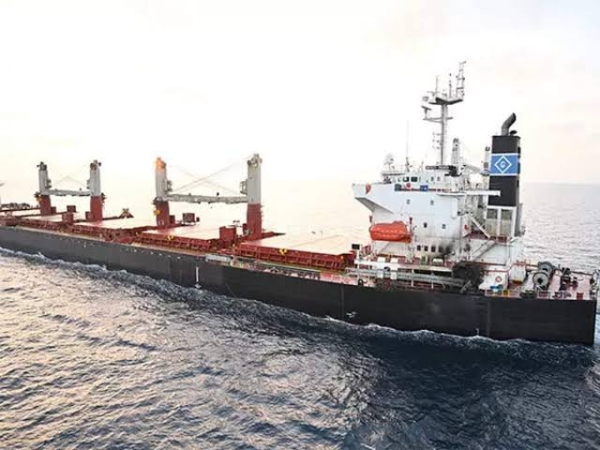
Indian Navy says crew of vessel attacked in Gulf of Aden is safe
 
NB Security Scan 73 
 
 
India's navy responded to a distress call from a Marshall Islands-flagged vessel in the Gulf of Aden, rescuing 22 crew members, including nine Indians. The incident is the latest in a series of attacks on merchant ships in the Red Sea and nearby region, disrupting shipping on a key trade route. The vessel is proceeding to the next port of call.
 
 
BEL receives additional orders worth Rs 1034.31 crore
 
 
The Bengaluru-based company had also received an order worth Rs 339.31 crore, related to Combat Management System, Composite Communication System, Transmit / Receive Modules, Mobile Autonomous Stabilization System and other spares / services. Its cumulative orders are now up to Rs 27,647.31 crore for the current fiscal year 2023-24.