Total Pageviews

Showing posts with label #western medias dis information war against india. Show all posts

Thursday, 10 September 2026

भारता सांस्कृतिक सार्वभौमत्व (Cultural Sovereignty) आणि भारतीय कथांवरील नियंत्रण(narrative war) गमावु नये


भारत काम करतो, पण मालकी दुसऱ्यांची असते

भारत आता चित्रपट निर्मिती, व्हिज्युअल इफेक्ट्स आणि तांत्रिक सेवांसाठी महत्त्वाचे केंद्र बनत आहे. भारतीय कलाकार, लेखक आणि तंत्रज्ञ काम करतात; पण बौद्धिक संपदा (IP), पात्रांचे हक्क आणि दीर्घकालीन आर्थिक लाभ बहुधा परदेशी कंपन्यांकडे राहतात.

जागतिक कंपन्या स्वतःचे विचार आणतात

लेखकाच्या मते, मोठ्या आंतरराष्ट्रीय मीडिया कंपन्या त्यांच्या देशातील राजकीय, सामाजिक आणि सांस्कृतिक दृष्टिकोन भारतीय कथांमध्येही आणतात. त्यामुळे भारताविषयी काही विशिष्ट दृष्टिकोनांना अधिक महत्त्व मिळते, तर काही विषयांना कमी स्थान मिळते.

भारताला कोण दाखवतो आणि कसे दाखवतो याचा निर्णय आता भारतात होत नाही

भारत हे कामासाठी एक खूप चांगले ठिकाण बनत चालले आहे, परंतु त्या कामातून जे काही निर्माण होते, त्यावर भारताची मालकी जवळजवळ शून्य असते.

परदेशी कंपनी ज्या ठिकाणाहून येते, तिथले राजकारण - तिच्या गुंतवणूकदारांमार्फत, वरिष्ठ कर्मचाऱ्यांमार्फत, वकिलांमार्फत आणि ती ज्या व्यावसायिक वर्गाला कामावर ठेवते त्यांच्यामार्फत - सोबत घेऊन येते. हॉलीवूड हे प्रदीर्घ काळापासून डेमोक्रॅटिक पार्टी आणि अमेरिकन कॉर्पोरेट डाव्यांच्या सामाजिक प्राधान्यक्रमांशी जोडलेले आहे. अमेरिकन मनोरंजन कंपन्या हेच प्राधान्यक्रम जागतिक सामग्रीचे नियम, प्रतिनिधित्व धोरणे, चित्रपट महोत्सवांशी असलेले संबंध, जोखीम मूल्यांकन आणि बजेट मंजूर करणाऱ्या अधिकाऱ्यांची वैयक्तिक आवड या रूपात भारतात आणतात.

या कंपन्यांमध्ये कामावर ठेवलेले भारतीयसुद्धा एका विशिष्ट आणि मर्यादित वर्गातूनच आलेले असतात. ते इंग्रजी माध्यमांच्या शाळा, उच्चभ्रू विद्यापीठे, जाहिरात एजन्सी, सल्लागार कंपन्या (कन्सल्टन्सी), आंतरराष्ट्रीय महोत्सव आणि जुन्या वृत्तपत्रांमधून पुढे येतात; आणि त्यातील मोठा वर्ग हा चित्रपट क्षेत्रातील कुटुंबांमधून किंवा ही पोहोच विकत घेण्याइतक्या श्रीमंत कुटुंबांतून येतो. त्यांना भारताविषयी जे काही माहिती आहे, ते बहुधा अशा संस्थांमधून आलेले असते ज्या भारताचे वर्णन करण्याच्या केवळ एकाच विशिष्ट पद्धतीला प्रोत्साहन देतात.

त्यामुळे, १३० कोटींहून अधिक लोकसंख्या असलेला हा देश अवघ्या काही हजार लोकांनी निवडलेल्या विषयांच्या एका छोट्या यादीद्वारे समजवला जातो. जातीचा संघर्ष हा गंभीर वास्तववाद मानला जातो. हिंदू सभ्यतात्मक आत्मविश्वासाकडे मात्र अत्यंत काळजीपूर्वक आणि दुय्यम म्हणून पाहिले जाते. सरकारी अपयशावर आधारित चित्रपट हा 'धाडसी' ठरवला जातो, तर राष्ट्रीय सुरक्षेवरील चित्रपट ही 'प्रोपोगंडा' (प्रचार) मानली जाते. उघडपणे हिंदू असलेला व्हिलन हा सामाजिक निरीक्षणाचा भाग वाटतो आणि उघडपणे हिंदू असलेला नायक ही बहुसंख्याकवादी कोडिंग (majoritarian coding) ठरवली जाते. ही राजकीय प्राधान्ये व्यावसायिक निर्णयांच्या नावाखाली मांडली जात आहेत.

नरेंद्र मोदींचे परदेशात कसे वार्तांकन केले जाते याकडे पाहा. बहुतेक परदेशी लेखन त्यांच्या राजकारणाचे संपूर्ण स्पष्टीकरण 'हिंदू बहुसंख्याकवाद' याच एका दृष्टिकोनातून करते. परंतु, त्यामुळे लाखो गरीब आणि महिला मतदार त्यांच्या सरकारचे मूल्यमापन शौचालय, वीज जोडण्या, बँक खाती, रस्ते, स्वयंपाकाच्या गॅसचे सिलेंडर आणि पक्की घरे यावरून का करतात, याचे उत्तर हे परदेशी लेखन देऊ शकत नाही.

ऑगस्ट २०२५ पर्यंत सरकारने 'प्रधानमंत्री आवास योजना-ग्रामीण' अंतर्गत . कोटींहून अधिक ग्रामीण घरे पूर्ण झाल्याचे अहवाल दिले, आणि 'सौभाग्य' योजनेने .८६ कोटी कुटुंबांना वीज जोडणी दिल्याचे नमूद केले. एखादी व्यक्ती मोदींचा तीव्र द्वेष करू शकते, तरीही त्याला हे आकडे अस्तित्त्वात आहेत हे मान्य करावेच लागेल. खरी अडचण तिथून सुरू होते जिथे ही चौकट निवडणाऱ्या संस्थांचे मालक परदेशात आहेत आणि ते परदेशी भागधारक, परदेशी न्यायालये आणि परदेशी राजकीय दबावाला उत्तरदायी आहेत.

चित्रपट लोकांच्या विश्वासांवर कसा परिणाम करतात

सरकारे बातम्यांवर कडक नियंत्रण ठेवतात, कारण बातम्या राजकारण बदलतात असा त्यांचा समज असतो; आणि मनोरंजनाला त्या तुलनेत हलके-फुलके मानले जाते.

एक चित्रपट श्रीमंतीचा नैतिक अर्थ बदलू शकतो. एखादी मालिका एखाद्या कौटुंबिक व्यवस्थेला सामान्य, किंवा मागासलेली, किंवा क्रूर दाखवू शकते. एखादी विनोदी मालिका कोणत्या धार्मिक चिन्हावर हसणे सुरक्षित आहे हे ठरवते. एखादे क्राइम ड्रामा एका संपूर्ण समुदायाला हिंसेशी जोडून टाकते. एखादा ऐतिहासिक चित्रपट कोण आक्रमक होते आणि कोण बळी पडले हे ठरवतो. शिफारस करणारे अल्गोरिदम (recommendations) समाजाची एकच आवृत्ती वारंवार दाखवून तीच एकमुखी संमती आहे असा आभास निर्माण करू शकतात.

धूर्त सावकार असलेला एक चित्रपट हा केवळ पात्रापुरता मर्यादित असतो. पण ३०० चित्रपट, ज्यांमध्ये तोच सावकार तोच जानवे घालतो, तशीच भाषा बोलतो आणि त्याच दोन-तीन आडनावांचा असतो, तेव्हा ते चित्रपट सावकारांबद्दल राहता त्या आडनावांविषयी बनतात. प्रेक्षकाला यावर सहमत होण्यास कधीही विचारले जात नाही. तो १५ वर्षांच्या रविवारी संध्याकाळी हे हळूहळू शोषून घेतो आणि नंतर त्याच्या लक्षात येते की तो नेहमीच असा विचार करत आला आहे.

अमेरिकन सॉफ्ट पॉवर (वैचारिक सांस्कृतिक प्रभाव) जवळजवळ संपूर्णपणे यावरच आधारित आहे. हॉलीवूडने अमेरिकन शहरे, गणवेश, विद्यापीठे, न्यायालये, भाषा, कौटुंबिक जीवन आणि राजकीय वादविवाद अशा लोकांना परिचित करून दिले जे त्या ठिकाणापासून ,००० किलोमीटरच्या अंतरावरही कधी गेले नव्हते. हॉलीवूडने अमेरिकेला आधुनिक जीवनाचे डीफॉल्ट मॉडेल म्हणून विकले. यासाठी कोणत्याही सरकारने पैसे दिले नाहीत आणि प्रेक्षकांनी ते पाहण्यासाठी तिकिटे विकत घेतली - जे सोव्हिएत सांस्कृतिक मंत्रालयाला त्याहून अधिक बजेट असूनही कधी करता आले नाही.

अमेरिकनांना त्यांनी काय उभे केले आहे हे चांगले ठाऊक आहे. फेडरल कायद्याने ब्रॉडकास्टिंग परवान्यांमधील परदेशी मालकीवर पूर्वीपासूनच बंधने आणली आहेत. रुपर्ट मर्डॉक यांनी 'फॉक्स' बनलेल्या टेलिव्हिजन स्टेशन्सची खरेदी करण्यापूर्वी १९८५ मध्ये अमेरिकन नागरिकत्व घेतले होते. वॉशिंग्टनने मास ब्रॉडकास्टिंगवरील नियंत्रणाला कधीही सामान्य परकीय गुंतवणूक मानले नाही. ऐंशी वर्षांपासून जगातील सर्वात शक्तिशाली मीडिया सिस्टम चालवणाऱ्या देशापेक्षा भारताने सांस्कृतिक शक्तीबाबत अधिक शिथिल असण्याचे काहीही कारण नाही.

भारत आधीच याबाबतीत एक रेषा आखतो, पण ती चुकीच्या ठिकाणी आहे. न्यूज आणि करंट अफेअर्स चॅनेलवर परदेशी मालकीची मर्यादा कमी असते आणि त्याला सरकारी मंजुरीची आवश्यकता असते. नॉन-न्यूज चॅनेल स्वयंचलित मार्गाने (automatic route) १०० टक्के परदेशी मालकीचे असू शकते, म्हणजेच कोणत्याही मंजुरीची अजिबात गरज नसते. हा नियम असे गृहीत धरतो की न्यूज बुलेटिन हे राजकीय असते, तर एखादे नाटक, चित्रपटांचे कॅटलॉग आणि शिफारस करणारे अल्गोरिदम हे केवळ व्यावसायिक असतात.

भारत बातमीपत्राच्या परदेशी मालकीची तपासणी करतो आणि बाकी सर्व गोष्टींना सहज जाऊ देतो.

एखादे प्लॅटफॉर्म एका दिवसासाठीही न्यूजरूम चालवता भारतीयांच्या विचारांना आकार देऊ शकते. कोणत्या इतिहासाला बजेट द्यायचे, कोणत्या ओळखींना प्रतिष्ठा द्यायची, कोणत्या संघर्षांना सहानुभूती मिळवून द्यायची, कोणते चित्रपट पहिल्या स्क्रीनवर दिसतील आणि कोणत्या कल्पना त्याने दिलेल्या प्रत्येक प्रकारच्या प्रोजेक्टमध्ये दिसतील, हे तेच प्लॅटफॉर्म ठरवते. कंपनी त्याला काहीही नाव देवो, ही शेवटी संपादकीय सत्ताच (editorial power) आहे.

अंतिम संदेश

भारताची कथा भारतानेच सांगावी हा मुख्य संदेश आहे. आर्थिक गुंतवणूक आणि जागतिक सहकार्य स्वीकारताना भारताने सांस्कृतिक सार्वभौमत्व (Cultural Sovereignty) आणि भारतीय कथांवरील नियंत्रण गमावू नये. भारतात काय दाखवायचे, कोण दाखवणार आणि त्यासाठी कोण जबाबदार राहणार यासाठी स्पष्ट कायदा आणि धोरण आवश्यक आहे.

Monday, 8 June 2026

The Information War Against India: Why India Is Losing the Narrative Battle (Part 2) – Summary


Introduction

The second part of the article argues that India is not merely facing isolated instances of negative publicity but is confronting a sustained and sophisticated information warfare campaign. The author contends that hostile narratives influence investor confidence, international perceptions, sovereign ratings, diplomatic standing, and even military outcomes. Despite being a major global power, India lacks the doctrine, institutions, resources, and strategic mindset required to defend itself effectively in this domain.


Pakistan's Information Warfare Advantage

The article highlights Pakistan as a revealing comparison. Despite having an economy roughly one-tenth the size of India's, Pakistan spends significantly more on lobbying and influence operations in Washington. During Operation Sindoor, Pakistan reportedly increased its lobbying efforts substantially, culminating in high-level engagements in the United States.

The author argues that Pakistan understands the importance of shaping perceptions among policymakers, media organizations, and strategic communities, whereas India continues to underinvest in this critical area.


Narrative Warfare and Economic Consequences

One of the central arguments of the article is that information warfare has direct economic implications.

Between 2024 and 2026, foreign investors withdrew massive amounts of capital from Indian equity markets despite strong economic growth, rising tax revenues, and healthy foreign exchange reserves. While global economic factors certainly contributed, the author argues that negative narratives about India also played a significant role.

Research cited in the article suggests that international investors often rely more on media sentiment than on actual economic fundamentals when making investment decisions. As a result, perceptions can significantly influence capital flows, borrowing costs, and investment decisions.


The Strategy of Creating Doubt

The article explains that modern information warfare rarely seeks to prove accusations conclusively. Instead, its objective is to create uncertainty and doubt.

Once doubt is introduced into public discourse, investors, policymakers, and international institutions often become cautious. Even if allegations are later disproven, the damage has already occurred because first impressions tend to shape long-term perceptions.

This strategy allows hostile actors to achieve significant strategic effects without necessarily proving their claims.


The Adani-Hindenburg Example

The author presents the Hindenburg Research report against the Adani Group as a case study in economic information warfare.

The report triggered an enormous decline in market capitalization, disrupted investment plans, and damaged India's international economic image. Later investigations revealed financial interests that had benefited from the market disruption.

The article argues that India treated the episode merely as a corporate issue rather than recognizing its broader implications for investor confidence, economic security, and national reputation.

Even after Hindenburg ceased operations, similar entities emerged, demonstrating that the model remains profitable and influential.


Election Narratives and International Perceptions

The article also discusses allegations concerning India's electoral process.

Academic papers and media reports questioning the integrity of Indian elections received significant international attention despite being challenged by independent experts. According to the author, the goal was not necessarily to establish electoral manipulation but to create persistent doubts regarding democratic legitimacy.

The article argues that once such narratives enter international media and policy circles, subsequent corrections receive far less attention than the original allegations.


Social Media Amplification and Internal Polarization

The author highlights how social media platforms have become powerful tools for influencing domestic and international perceptions.

During the farm protests, global celebrities amplified narratives that rapidly internationalized the issue. Similar patterns have appeared in debates concerning caste, language, regional divisions, environmental issues, and development projects.

According to the article, foreign actors, bots, and coordinated networks often exploit existing social tensions to deepen divisions and weaken national cohesion.


Information Warfare During Operation Sindoor

The article describes Operation Sindoor as a practical demonstration of modern information warfare.

Pakistan allegedly used:

  • False claims regarding Indian aircraft losses.
  • Manipulated combat footage.
  • AI-generated deepfake videos.
  • Fabricated statements attributed to Indian leaders.

These narratives were amplified through international media networks and social media platforms.

India responded by blocking disinformation sources and removing misleading content. However, the author argues that India remained largely reactive rather than proactive.

By the time official military confirmations emerged regarding operational successes, global narratives had already solidified.


The Sovereign Ratings Debate

Another major theme is the treatment of India by international rating agencies.

For many years, India remained at the lowest investment-grade rating despite substantial economic growth, a strong repayment record, and increasing global importance.

Indian economists and policymakers have repeatedly argued that these ratings do not accurately reflect India's economic fundamentals. The article suggests that perceptions and entrenched narratives contribute significantly to these assessments.

The launch of Indian alternatives to international rating systems is presented as an effort to reduce dependence on Western institutions.


India's Lack of a Formal Information Warfare Doctrine

A key criticism throughout the article is that India lacks a comprehensive national framework for information warfare.

Although senior leaders have spoken about misinformation, cognitive warfare, and foreign interference, India has not published:

  • A National Security Strategy.
  • A dedicated Information Warfare Doctrine.
  • A whole-of-government framework for cognitive and narrative warfare.

The author argues that India continues to view information management largely as public relations rather than as a strategic security challenge.


Institutional and Resource Deficiencies

The article identifies several structural weaknesses:

Limited Diplomatic Resources

India's diplomatic service is significantly smaller than those of major powers such as China, the United States, Japan, and France.

Insufficient Budget Allocation

The Ministry of External Affairs receives a relatively small share of government expenditure, limiting India's ability to compete internationally in narrative-building efforts.

Weak Global Cultural Presence

India's cultural and information outreach mechanisms remain modest compared to China's extensive global network of Confucius Institutes and media organizations.

Fragmented Information Architecture

Existing institutions are under-resourced, poorly coordinated, and often constrained by legal and bureaucratic limitations.


Four Key Recommendations

The author proposes four major reforms:

1. Strategic Reframing

India must recognize information warfare as a core national security challenge rather than merely a communication or public-relations issue.

2. Institutional Reform

India should establish:

  • A National Security Strategy.
  • A dedicated Information Warfare Doctrine.
  • A Tri-Service Information Warfare Command.

3. Increased Investment

Greater funding should be provided to:

  • Diplomatic services.
  • International broadcasting.
  • Cultural diplomacy organizations.
  • Rapid-response information and financial analysis teams.

4. Alternative Global Metrics

India should develop credible domestic alternatives for assessing:

  • Sovereign risk.
  • Democracy.
  • Press freedom.
  • Governance.

This would reduce excessive dependence on Western rating and ranking systems.


Conclusion: The Right to Shape One's Own Narrative

The article concludes that information warfare has become a decisive factor in global politics, economics, diplomacy, and security.

India's challenge is no longer simply defending itself against criticism. The larger issue is that global perceptions of India are often being shaped by external actors before India has an opportunity to present its own perspective.

The author's central argument is that sovereignty in the twenty-first century includes not only control over territory and security but also the ability to shape how a nation is perceived internationally. Until India develops the institutions, doctrine, and capabilities necessary to compete in the information domain, it will continue to lose important strategic battles despite its growing economic and military strength

Top of Form

Bottom of Form


Thursday, 11 April 2024

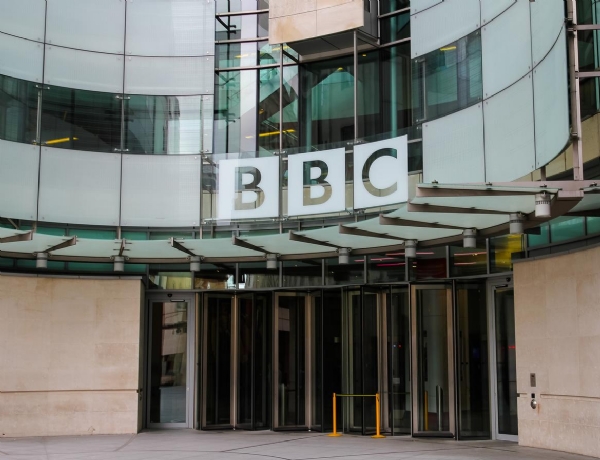
#PROPOGANDA WARFARE-The BBC's bias defeats its purpose and makes it a liability for Britain

 BBC is damaging Britain's image by alienating potential allies and projecting an image of entitlement and sanctimony. During a Hard Talk interview, President Irfan Ali of Guyana rebuked BBC interviewer Stephen Sackur, stating that his country engages in significant forest conservation efforts without receiving due credit or compensation while the developed world enjoys the benefits of energy consumption since the industrial revolution. President Ali went on to question whether the BBC is influenced by those who have harmed the environment. This interview quickly went viral, with widespread praise for President Ali as the voice of the Global South. However, the response also reflected anger and disgust towards the BBC for its hypocrisy, colonialist tone, and apparent advocacy for the globalist elite and vested interests.

 
The BBC, along with a few other Western media outlets such as The New York Times, The Washington Post, Financial Times, and Deutsche Welle, has aligned itself with powerful left-leaning globalist networks that seek to undermine governments unwilling to conform to their agenda. Through its excessive bias, the BBC violates the fundamental principle of Britain's Royal Charter, which defines its "Public Purposes" as providing impartial news and information to help people understand and engage with the world. The BBC has failed to convince the world that it uses British taxpayers' money to deliver "impartial news and information."
 
The UK's Conservative Party has long criticized the BBC for its strong pro-Labour and pro-left bias. Former Prime Minister Margaret Thatcher famously stated, "I have fought three elections against the BBC and don't want to fight another against it." Indarjit Singh, the head of Britain's Network of Sikh Organisations, criticized stations like BBC Asian Network for hindering integration and social cohesion by allowing communities to isolate themselves. The BBC had halted the broadcast of a show commemorating Sikh Guru Tegh Bahadur, who was beheaded in the 17th century for opposing forced conversions to Islam in India, citing concerns about offending Muslims.
 
The BBC has faced bans in Russia and China. In India, the BBC has long been perceived as pro-Pakistan.
 
Recently, the BBC was found guilty of tax evasion and initially tried to portray it as retaliation by the Indian government. However, the BBC later admitted to underreporting Rs 40 crore ($4.8 million) of income in its tax returns. This incident followed a suspiciously timed documentary titled "India: The Modi Question," released before the 2024 elections. Through a series of opinions and innuendos, the documentary attempted to implicate Prime Minister Narendra Modi, in the 2002 Gujarat riots, despite his exoneration by the courts a decade earlier.
 

NB Security Scan 81 
 
 
The BBC's consistent anti-India and anti-Hindu positions on various issues such as the anti-CAA protests, farmers' agitation, abrogation of Article 370 in Kashmir, Ram Mandir pran pratistha, Leicester riots, or the hijab-in-schools controversy raise the question: is the BBC doing a great disservice to once-Great Britain? The answer seems clear.
 
The BBC undermines the UK's economy, security, law and order, and demographic future by consistently adopting a left-leaning, pro-immigrant stance. The organization avoids addressing issues of Islamic radicalization and terrorism. Moreover, it damages Britain's by provoking potential allies and appearing as an entitled and sanctimonious attack dog for the UK .
 
 
Joe Biden's Letter to Shehbaz Sharif: A Potential Shift in US-Pakistan Relations
 
 
A letter from US President Joe Biden to Pakistan's Prime Minister has recently sparked intrigue and speculation regarding the future of US-Pakistan relations. This communication serves as the first official contact between the two leaders, signalling a potential shift in US policy towards Pakistan.
 
Since assuming office in 2021, President Biden had not engaged directly with either former Prime Minister Imran Khan or his successor, Shahbaz Sharif. The absence of interaction raised questions about the status of bilateral relations.
 
However, Biden's letter to Prime Minister Shahbaz Sharif, which expresses support and emphasizes the importance of the partnership between the two nations, suggests a change in approach. Despite concerns within Biden's party regarding the legitimacy of Sharif's government, the president chose to extend a hand of cooperation.
 
The timing of this outreach is significant, especially considering the recent visit of an International Monetary Fund (IMF) team to Pakistan and their agreement to release substantial funds to the government. As the United States plays a dominant role in the IMF, this development indicates a willingness to support Pakistan financially.
 
The apparent thaw in US-Pakistan relations raises questions about the underlying motivations. One possible factor is Pakistan's reported assistance to Ukraine during its conflict with Russia, which garnered appreciation from Washington. Additionally, the resurgence of threats from terrorist groups in Afghanistan, despite US hopes for stability after withdrawing troops, has refocused attention on regional security.
 
Experts speculate that Biden's outreach to Pakistan may aim to leverage Islamabad's assistance in containing terrorism, particularly in light of recent attacks by the Islamic State in neighboring countries.
 
Will this renewed engagement between the United States and Pakistan lead to meaningful collaboration, or will past pitfalls overshadow any potential progress?


Monday, 25 December 2023

RELENT LESS- INFORMATION WARFARE AGAINST INDIA BY SECTION OF WESTERN MEDIA


A full-fledged information warfare has been launched against India by elements inimical to India. Suddenly news reports are popping up internationally about how the India has been wanting “to sort out” the Gurpatwant Singh Pannun problem. The latest media report is about a “leaked” “Ministry of External Affairs memo” speaking of cracking down on “Khalistanis”, by listing the potential targets including Hardeep Singh Nijjar, who was killed in Canada in June.

The MEA has rubbished the claim by calling the memo fabricated and part of a “sustained disinformation campaign against India”, by using a media outlet “known for propagating fake narratives peddled by Pakistani intelligence”. It’s becoming increasingly clear that these attempts are escalating in order to add weight to the fiction of a “rogue Indian government” plotting to kill  Mahatma Pannun on American soil.

The narrative of India carrying out “transnational repression” is gaining currency, and has the potential to have some impact on the strategic partnership between India and the United States.

The mainstream media in the US, does not make any mention of his threats to bomb Air India, the Indian Parliament or ordering hits on Indian diplomats. Surely these supposedly credible western media outlets are not so information-challenged that their research did not throw up facts about Pannun’s call to violence when writing articles on him. Surely death threats cannot be brushed under the carpet by describing these as freedom of speech. What’s going on is an attempt to influence American policy and opinion makers. In a very insidious manner western media is trying to glorify the Khalistani movement as a struggle against India for self-determination and justice.

In fact, this seems to be a case of the ISI, with backing from the Chinese are trying to derail India-US relations and this time with some western support.

There is another dimension to this information warfare, which is working at a much subtler level by instilling doubts on American minds about India as a trusted partner against China. The buzz in US think-tanks apparently is: India cannot be trusted for it will never stand with the US when it comes to any possible military confrontation with China. To think that this is being said about India, the only country in the world that has shown the appetite to fight back the Chinese  in Galwan inflicting large number of casualties and large number of soldiers in the icy heights of the Himalayas against the PLA for over three years. Interestingly, the seeds of this doubt were planted by some Indian origin people in the US, and the American ignorance about India has been doing the rest of the job.

The question on Indian minds is, whether, or not, the Biden White House has the appetite and the competence to rein in the anti-India lobbies and interest groups in Washington D.C., as well as those in Biden’s own administration running their agendas against India.

Sunday, 24 December 2023

INFORMATION WAR AND INDIAN ARMED FORCES

 Challenges like the ongoing proxy war in Jammu and Kashmir, insurgency in the northeast, and conflicts on the Line of Actual Control (LAC) extend beyond the confines of the Northern and Eastern commands. Information warfare transcends geographical boundaries, operating continuously throughout the year. Therefore, it is suggested that every command and corps of the Indian Army establish an information warfare wing to influence public opinion within their respective regions.  GIVE RECOMMEDATIONS 

To address the complex challenges posed by the ongoing proxy war in Jammu and Kashmir, insurgency in the northeast, and conflicts on the Line of Actual Control (LAC), it is recommended that the Indian Army takes the following measures:


Establish Information Warfare Wings: Each command and corps of the Indian Army should establish dedicated Information Warfare Wings tailored to the unique characteristics and challenges of their respective regions. These wings would focus on shaping public opinion, countering misinformation, and promoting a positive narrative.


Cross-Command Collaboration: Encourage collaboration and information-sharing among different commands and corps. Establishing a network that facilitates the exchange of insights, strategies, and best practices will enhance the overall effectiveness of information warfare efforts.


Continuous Training and Skill Development: Conduct regular training programs to equip military personnel with the skills necessary for effective information warfare. This includes staying updated on the latest technologies, understanding social media dynamics, and honing the ability to disseminate accurate information swiftly.


Adaptability and Agility: Information warfare is dynamic and requires constant adaptation to emerging threats and trends. Develop agile strategies that can quickly respond to evolving situations, ensuring that the information warfare wings remain effective in countering propaganda and shaping public perception.


Collaboration with Civilian Agencies: Collaborate with civilian agencies, including media organizations, public relations experts, and social scientists, to gain diverse perspectives and insights. This collaborative approach can enhance the credibility and reach of the information warfare efforts.


Monitoring and Analysis: Invest in advanced monitoring tools and analytical capabilities to track online conversations, identify trends, and assess the impact of information campaigns. Regular analysis of data will enable a more informed and targeted approach in shaping public opinion.


Public Engagement Initiatives: Develop and implement public engagement initiatives to foster a positive relationship between the military and the civilian population. This could include community outreach programs, informational campaigns, and efforts to highlight the positive contributions of the military.


Legal and Ethical Considerations: Establish clear guidelines and ethical standards for information warfare activities. Ensure that all efforts comply with legal norms and respect democratic principles, avoiding any undue infringement on individual rights.


By implementing these recommendations, the Indian Army can enhance its capabilities in information warfare, effectively countering disinformation, and positively influencing public opinion in regions affected by security challenges