Total Pageviews

Showing posts with label #FOREIGN POLICY SUCCESSES. Show all posts

Thursday, 22 January 2026

भारत - युरोप मैत्रीची नवी पहाट, टॅरिफ संकटावर भारताचे उत्तर | India | Eu...

भारत: युरोपसाठी एक सक्षम पर्याय

भारताने गेल्या काही वर्षांत प्रशासकीय सुधारणा आणि सुलभ व्यवसायासाठी (Ease of Doing Business) घेतलेले निर्णय युरोपीय कंपन्यांसाठी पोषक ठरत आहेत.

  • व्यापार वृद्धी: सध्याचा १०० अब्ज डॉलरचा व्यापार २०३० पर्यंत दुप्पट करण्याचे उद्दिष्ट आहे.
  • संरक्षण क्षेत्र: युरोप आगामी काळात संरक्षणावर ८०० अब्ज युरो खर्च करणार असून, त्यातील मोठा हिस्सा 'मेक इन इंडिया' अंतर्गत भारताकडे वळू शकतो.
  • कुशल मनुष्यबळ: चीनवरील अवलंबित्व कमी करण्यासाठी युरोपला भारतीय तंत्रज्ञ आणि कुशल कामगारांची गरज आहे.

परराष्ट्र धोरणातील स्वायत्तता आणि भविष्यातील संधी

एकेकाळी भारताच्या रशियाशी असलेल्या संबंधांवर किंवा काश्मीर मुद्द्यावर टीका करणारा युरोप आज स्वतःच्या अस्तित्वासाठी भारताकडे आशेने पाहत आहे. भारताने आपले परराष्ट्र धोरण नेहमीच राष्ट्रीय हिताला प्राधान्य देऊन राबवले आहे. प्रजासत्ताक दिनाच्या परेडमध्ये रशियन बनावटीची शस्त्रास्त्रे पाहताना युरोपीय नेत्यांना भारताच्या सामर्थ्याची जाणीव होईल.

निष्कर्ष: अमेरिका आणि युरोपमधील वाढता दुरावा भारतासाठी एक मोठी संधी घेऊन आला आहे. जर प्रस्तावित मुक्त व्यापार करार यशस्वी झाला, तर ती केवळ व्यापारी भागीदारी न ठरता, बदलत्या जागतिक व्यवस्थेत भारत आणि युरोपसाठी एक 'सुवर्णसंधी' ठरेल.


Saturday, 8 March 2025

EU Chief in New Delhi:Why Europe Needs India Now More Than Ever


European Commission President Ursula von der Leyen’s visit to India marks a pivotal moment in EU-India relations. With trade between the two reaching $126 billion in 2024 and long-pending free trade agreement (FTA) negotiations underway, the visit underscores the European Union’s urgent need for new partnerships. As the EU faces challenges from both the United States and China, strengthening ties with India has become a strategic imperative.
 
 
Why the EU Seeks Stronger Ties with India
 
Recent global developments have reinforced the importance of a robust EU-India partnership. US President Donald Trump’s threat of a 25% tariff on European imports and China’s expanding economic influence have left Europe at a crossroads. In this uncertain landscape, India offers the EU both economic stability and strategic alignment.
 
Von der Leyen’s two-day visit, accompanied by a high-level EU delegation, included meetings with Prime Minister Narendra Modi and key Indian ministers. This visit accelerated cooperation in trade, investment, technology, and security.
 
 
A Mutually Beneficial Economic Partnership
 
Trade remains the backbone of the EU-India relationship. The EU is India’s largest trading partner, with bilateral trade in goods reaching nearly $126 billion in 2024—an impressive 90% increase over the past decade.
India’s rapidly growing economy, projected to become the third-largest by 2030, presents vast opportunities for European businesses. Key sectors such as automobiles, wines, and spirits view India as a crucial market amid rising global protectionism. Additionally, India’s “Make in India” initiative and its drive to become a manufacturing hub provide avenues for European investment and trade diversification.
For India, the EU represents an essential partner in reducing its dependence on China. European expertise in technology, infrastructure, and investment aligns with India’s “Developed India” (Viksit Bharat) vision and its ambitious goal of boosting total exports to $2 trillion by 2030.
 
 
Shared Strategic Interests in the Indo-Pacific
 
Beyond trade, India and the EU share common security concerns, particularly in the Indo-Pacific. China’s growing assertiveness, cyber threats, and maritime security issues have pushed the EU to deepen its engagement in the region.
 
India, with its expanding naval capabilities and strategic partnerships, plays a key role in maintaining regional stability. The EU-India Trade and Technology Council (TTC), established in 2022, has become a crucial platform for cooperation in areas such as artificial intelligence, cybersecurity, digital governance, and green technologies. This initiative aims to strengthen supply chain resilience, economic security, and technological collaboration—critical needs for both partners.
 
Another key development is the India-Middle East-Europe Economic Corridor (IMEC), which aims to enhance connectivity between India and Europe via the Gulf states, Israel, and Jordan. This project reduces reliance on traditional trade routes like the Suez Canal and diversifies supply chains, making it a significant geopolitical and economic initiative for both India and the EU.
 
 
India’s Role in Balancing Global Power Shifts
 
The EU’s increasing focus on India is also driven by global political shifts. The ongoing Russia-Ukraine conflict has strained EU-Russia relations, while India’s neutral stance has positioned it as a potential mediator. Despite India’s historical ties with Russia, the EU has chosen engagement over isolation, recognizing India’s rising geopolitical influence.
 
Rather than pressuring India to sever its economic ties with Russia, the EU is exploring ways to collaborate on shared priorities, such as securing supply chains for critical minerals and advancing defense cooperation.
 
 
The Road Ahead for EU-India Relations
 
While the potential for deeper EU-India ties is clear, success depends on translating diplomatic rhetoric into tangible outcomes. Key priorities include finalizing the long-delayed trade agreement, strengthening regional security partnerships, and enhancing technological collaboration.
 
As global uncertainties grow, India’s role in the EU’s strategic calculations will only become more significant.
 
 
It's the Economy: Trump and Putin Squeeze Zelensky
 
The year 2024 proved to be a turning point for Ukraine. With Putin securing a fourth term and Donald Trump returning to the White House, US-Russia relations entered a new phase. In this geopolitical shift, Ukrainian President Volodymyr Zelensky found himself increasingly sidelined.
 

Tuesday, 14 May 2024

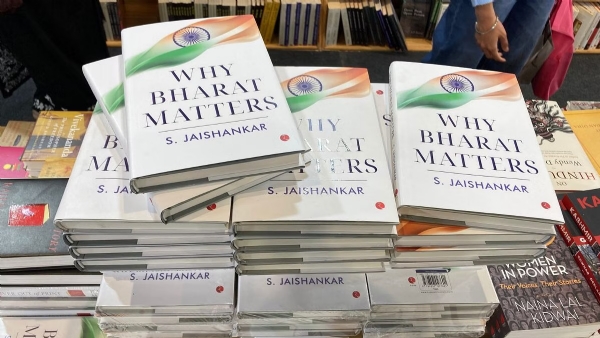
"Why Bharat Matters" stands as a celebration of India's rich civilizational heritage.

 Why Bharat Matters

 Beyond geopolitics, "Why Bharat Matters" stands as a celebration of India's rich civilizational heritage. Jaishankar eloquently interweaves India's history, culture, and values into the narrative, illustrating how these timeless elements shape its foreign policy approach. This isn't just about India's ascent on the world stage; it's about reclaiming its rightful place as a civilizational state with a distinctive contribution to offer the world.
 
The key takeaways from the book encapsulate the essence of global unpredictability demanding active engagement, India's rise being intertwined with the well-being of the Global South, the tangible impact of foreign policy on daily life, the influence of India's civilizational heritage on its foreign policy, and the imperative of strategic planning and agility for navigating the future.
 
"Why Bharat Matters" is indispensable for anyone intrigued by India's global standing, regardless of their nationality. It serves as a timely and insightful analysis of India's multifaceted challenges and opportunities, reaffirming the nation's potential to shape a brighter future for itself and the world. Jaishankar's work transcends intellectual discourse; it's a call to action, an invitation to join India on its journey towards growth and global leadership while remaining true to its unique identity.
 
While primarily focused on India's global role, the book provides valuable insights into international relations and the evolving power dynamics worldwide. Dr. Jaishankar's personal anecdotes and experiences as Foreign Minister infuse the book with a human touch, making it both informative and engaging. Published at a crucial juncture as India embarks on its "Amrit Kaal," a 25-year period leading to the centenary of its independence, the book serves as a roadmap for navigating the forthcoming challenges and opportunities.
 
"Why Bharat Matters" is an intellectually stimulating and enlightening book that sheds light on India's global significance. Dr. S. Jaishankar's erudition and firsthand experiences make it a compelling read for anyone interested in international affairs, diplomacy, or India's evolving role in shaping the world order.
 
The book "Why Bharat Matters" recommended to anyone eager to comprehend India's global positioning and its potential to shape a better future. It is a thought-provoking read that lingers in the mind long after the final page is turned.


Author: Dr. S. Jaishankar, Indian Foreign Minister, Non-fiction, International Relations, Pages: 226, MRP: Rs. 695/- PART 2

 Cultural Diplomacy and Soft Power: Dr. Jaishankar further explores the concept of cultural diplomacy and soft power in India's foreign policy. He elaborates on India's cultural heritage, including its art, music, literature, and spiritual traditions, and how they contribute to enhancing India's global influence and building bridges with other nations.

 
Economic Diplomacy and Global Trade: The book delves into India's economic diplomacy efforts and its role in global trade. Dr. Jaishankar discusses India's participation in regional and global trade agreements, such as the Regional Comprehensive Economic Partnership (RCEP), and the country's efforts to enhance economic cooperation with various regions and countries.
 
Sustainable Development: Dr. Jaishankar addresses India's commitment to climate diplomacy and sustainable development. He highlights India's efforts to address climate change, including the International Solar Alliance and its focus on renewable energy. He also emphasizes the importance of balancing economic growth with environmental sustainability.
 
Digital Diplomacy and Technology: The book explores India's engagement in digital diplomacy and the role of technology in shaping international relations. Dr. Jaishankar discusses India's initiatives in digital connectivity, e-governance, and leveraging technology for development, highlighting how these efforts contribute to India's global relevance.
 
Public-Private Partnerships: Dr. Jaishankar emphasizes the significance of public-private partnerships in India's foreign policy. He discusses the role of businesses and entrepreneurs in promoting economic ties and fostering innovation.
 
Strategic Outlook and Future Challenges: Dr. Jaishankar reflects on the challenges and opportunities that lie ahead, including evolving power dynamics, technological advancements, and global governance reforms. He provides insights into India's approach to navigating these complexities and shaping its future trajectory.
 
Vision for the Future- Dr. Jaishankar offers his perspectives on emerging geopolitical trends and their potential impact on India's role in the future. He discusses issues such as the rise of Asia, the evolving nature of power dynamics, and the need for greater collaboration in addressing global challenges.
 
He outlines the key principles that should guide India's foreign policy, highlighting the importance of strategic autonomy, inclusive growth, and a rules-based international order.
 
"Why Bharat Matters" is a comprehensive and insightful exploration of India's global significance and its evolving role in the world. Dr. S. Jaishankar's expertise and nuanced analysis make the book a compelling read for those interested in understanding the complexities of India's foreign policy and its aspirations to shape the geopolitical landscape.
 
 
Concluding Remarks
 
 
Dr. S. Jaishankar's latest work, "Why Bharat Matters," transcends the boundaries of a conventional foreign policy memoir. Instead, it resonates as a compelling call to all Indians, urging them to fathom the nation's pivotal role amidst a swiftly transforming world. Navigating the tumultuous waters of contemporary geopolitics, Jaishankar artfully emphasizes India's distinctive position as a burgeoning power confronting intricate challenges while embracing its profound civilizational identity.
 
In terms of writing style, Dr. Jaishankar's prose is lucid and engaging. He effortlessly navigates complex subjects, making them accessible to readers with varying levels of familiarity with international relations. The book strikes a fine balance between academic analysis and a conversational tone, ensuring that readers remain engrossed throughout.
Essential Read For Anyone Seeking A Deeper Understanding Of India's Role In The Global Arena
 
 
"Why Bharat Matters" is an essential read for anyone seeking a deeper understanding of India's role in the global arena. Dr. S. Jaishankar's expertise and eloquence shine through, providing readers with valuable insights into India's foreign policy priorities, its aspirations, and the challenges it faces. This book not only serves as a significant contribution to the field of international relations but also inspires readers to recognize the relevance of India's rise on the world stage.
 
The accessibility of the book is a notable strength. Jaishankar demystifies intricate foreign policy concepts, rendering them pertinent to the daily lives of Indian citizens. He illustrates how global events, ranging from trade agreements to security threats, directly impact the lives of Indians, influencing everything from job creation to national security. This isn't an arid academic treatise; it's a rallying cry for active engagement with the world around us.
 
Jaishankar doesn't evade critical self-reflection, acknowledging the internal and external challenges that India confronts. The recurring theme of the need for stability amid global unpredictability is underscored, emphasizing the significance of strategic planning and agility in navigating the turbulent times ahead.

Author: Dr. S. Jaishankar, Indian Foreign Minister, Non-fiction, International Relations, Pages: 226, MRP: Rs. 695/- PART 1

 Why Bharat Matters: A Profound Insight into India's Global Significance

In his thought-provoking book, "Why Bharat Matters," Dr. S. Jaishankar, the Indian Foreign Minister, offers a compelling exploration of India's global significance in the 21st century. Drawing from his vast experience as a diplomat and his deep understanding of international relations, Dr. Jaishankar presents a comprehensive analysis of India's role and its potential to shape the world order.
 
 
"Why Bharat Matters" covers many other aspects that make it a noteworthy book:
 
 
Geopolitical Analysis: Dr. Jaishankar provides a comprehensive examination of India's geopolitical position. He analyzes India's relationships with key global powers, including the United States, China, and Russia, and explores the implications of these dynamics for India's foreign policy choices.
 
Regional Dynamics: The book delves into India's relationships with its immediate neighbors, such as Pakistan, Bangladesh, Sri Lanka, and Nepal. Dr. Jaishankar explores the complexities and opportunities within these regional dynamics, emphasizing the importance of fostering stability and cooperation.
 
Multilateralism and Global Governance: Dr. Jaishankar discusses India's active engagement in multilateral forums, such as the United Nations, G20, and BRICS. He highlights India's role in shaping global governance and advocates for a more inclusive and representative international order.
 
 
Why Bharat matters?
 
 
Security Challenges: The book addresses the security challenges faced by India, including terrorism, cyber threats, and maritime security. Dr. Jaishankar provides insights into India's approach to countering these challenges and emphasizes the need for collaborative efforts on a global scale.
 
Cultural Diplomacy: Dr. Jaishankar explores the soft power potential of India's rich cultural heritage. He highlights the role of cultural diplomacy in promoting India's image abroad and deepening people-to-people connections.
 
Economic Diplomacy: The book examines India's economic diplomacy efforts, including trade agreements, investment initiatives, and the promotion of entrepreneurship. Dr. Jaishankar underscores India's economic potential and its aspirations to become a global economic powerhouse.
 
Climate Change and Sustainable Development: Dr. Jaishankar acknowledges the importance of addressing climate change and achieving sustainable development. He discusses India's commitment to renewable energy, climate diplomacy, and its efforts to balance economic growth with environmental responsibility.
 
Historical Context: Dr. Jaishankar provides a historical context to India's global significance by highlighting its ancient civilizational heritage. He explores the contributions of India's ancient philosophers, scientists, and scholars, emphasizing the long-standing cultural and intellectual influence that India has had on the world.
 
Diplomatic Challenges: The book delves into the challenges that India faces in its diplomatic endeavors. Dr. Jaishankar discusses issues such as balancing competing interests, managing complex relationships, and navigating global power shifts. He offers insights into the diplomatic strategies employed by India to overcome these challenges.
 
Soft Power and Public Diplomacy: Dr. Jaishankar emphasizes the importance of India's soft power in enhancing its global influence. He discusses India's cultural exports, such as yoga, Bollywood, and cuisine, and how they contribute to shaping positive perceptions of India and fostering stronger international relations.
 
Diaspora Engagement: The book acknowledges the significance of India's diaspora and its role in India's global outreach. Dr. Jaishankar explores how the Indian diaspora, which is spread across the globe, acts as a bridge between India and their adopted countries, contributing to economic, cultural, and political ties.
 
Strategic Autonomy: Dr. Jaishankar emphasizes the concept of strategic autonomy in India's foreign policy. He explains how India seeks to maintain its independence and decision-making capacity while engaging with multiple global powers and pursuing its national interests.
 
India's Neighborhood First Policy: The book highlights India's "Neighborhood First" policy, which underscores the importance of fostering strong relationships with its neighboring countries. Dr. Jaishankar discusses the rationale behind this policy and the efforts India has made to enhance regional cooperation and connectivity.
 
Crisis Management and Humanitarian Diplomacy: Dr. Jaishankar provides insights into India's approach to crisis management and humanitarian diplomacy. He discusses India's role in providing aid and assistance during natural disasters and humanitarian crises, showcasing India's commitment to global cooperation and its willingness to contribute to international peace and stability.
 
Technology and Innovation: The book explores India's growing role in technology and innovation. Dr. Jaishankar discusses India's advancements in areas such as information technology, space exploration, and renewable energy, and how these contribute to India's global standing as a knowledge hub.
 
Indo-Pacific and Security Architecture: Dr. Jaishankar discusses India's engagement in the Indo-Pacific region and its approach to shaping the security architecture in the area. He explores India's partnerships with like-minded countries, such as the Quad (India, United States, Japan, and Australia), and emphasizes the importance of a rules-based order and freedom of navigation in the region.
Counterterrorism and Global Security: The book delves into India's efforts in countering terrorism and its role in global security. Dr. Jaishankar highlights the various challenges posed by terrorism and emphasizes the need for international cooperation to combat this menace. He also discusses India's contributions to peacekeeping operations under the United Nations.
 

Wednesday, 28 February 2024

Book: Why Bharat Matters Author: Dr. S. Jaishankar Publisher: Rupa Publications India (2024) Total Pages: 256

 Dr. S. Jaishankar's latest work, "Why Bharat Matters," transcends the boundaries of a conventional foreign policy memoir. Instead, it resonates as a compelling call to all Indians, urging them to fathom the nation's pivotal role amidst a swiftly transforming world. Navigating the tumultuous waters of contemporary geopolitics, Jaishankar artfully emphasizes India's distinctive position as a burgeoning power confronting intricate challenges while embracing its profound civilizational identity.

The book commences by confronting the stark reality that the world is not just tough but also highly unpredictable. From the upheavals caused by the COVID-19 pandemic to volatile conflicts, climate change, and technological disruptions, negotiating this complex terrain demands resilience and adaptability. Jaishankar adeptly unfolds the intricate global scenario, spotlighting the ascendance of China, the evolving stance of the United States, and the pervasive influence of globalization.

Within this intricate tableau, India emerges not as a passive spectator but as a dynamic participant. Jaishankar paints a vivid portrayal of a "New India," one that derives strength from its ancient heritage and democratic values while boldly embracing a future illuminated by technological optimism. This "Bharat," as he underscores, aspires not solely to elevate itself but also to contribute to the well-being of the Global South and the broader global good.

The accessibility of the book is a notable strength. Jaishankar demystifies intricate foreign policy concepts, rendering them pertinent to the daily lives of Indian citizens. He illustrates how global events, ranging from trade agreements to security threats, directly impact the lives of Indians, influencing everything from job creation to national security. This isn't an arid academic treatise; it's a rallying cry for active engagement with the world around us.

Jaishankar doesn't evade critical self-reflection, acknowledging the internal and external challenges that India confronts. The recurring theme of the need for stability amid global unpredictability is underscored, emphasizing the significance of strategic planning and agility in navigating the turbulent times ahead.

Beyond geopolitics, "Why Bharat Matters" stands as a celebration of India's rich civilizational heritage. Jaishankar eloquently interweaves India's history, culture, and values into the narrative, illustrating how these timeless elements shape its foreign policy approach. This isn't just about India's ascent on the world stage; it's about reclaiming its rightful place as a civilizational state with a distinctive contribution to offer the world.

The key takeaways from the book encapsulate the essence of global unpredictability demanding active engagement, India's rise being intertwined with the well-being of the Global South, the tangible impact of foreign policy on daily life, the influence of India's civilizational heritage on its foreign policy, and the imperative of strategic planning and agility for navigating the future.

"Why Bharat Matters" is indispensable for anyone intrigued by India's global standing, regardless of their nationality. It serves as a timely and insightful analysis of India's multifaceted challenges and opportunities, reaffirming the nation's potential to shape a brighter future for itself and the world. Jaishankar's work transcends intellectual discourse; it's a call to action, an invitation to join India on its journey towards growth and global leadership while remaining true to its unique identity.

While primarily focused on India's global role, the book provides valuable insights into international relations and the evolving power dynamics worldwide. Dr. Jaishankar's personal anecdotes and experiences as Foreign Minister infuse the book with a human touch, making it both informative and engaging. Published at a crucial juncture as India embarks on its "Amrit Kaal," a 25-year period leading to the centenary of its independence, the book serves as a roadmap for navigating the forthcoming challenges and opportunities.

I wholeheartedly recommend "Why Bharat Matters" to anyone eager to comprehend India's global positioning and its potential to shape a better future. It is a thought-provoking read that lingers in the mind long after the final page is turned

Friday, 26 January 2024

फ़्रांसचे राष्टपती,फ़्रेंच सैन्य 26 जानेवारी परेडला-विष्लेशनRepublic Day ...

What are the implications of French military contingent marching in 26 January Republic Day parade in India at New Delhi

Some  insights into the implications of such an event.


Strengthening bilateral relations: The participation of the French military contingent in India's Republic Day parade can be seen as a symbol of the strengthening bilateral relations between the two countries. It highlights the importance both nations place on their strategic partnership and signifies a commitment towards enhancing cooperation in various fields, including defense.


Military cooperation: The involvement of the French military contingent in the parade could indicate increased military cooperation between India and France. It may include joint military exercises, training programs, technology transfers, and defense collaborations. Such engagements can help both countries exchange knowledge, expertise, and best practices, leading to improved defense capabilities.


Diplomatic significance: The presence of a foreign military contingent in a country's national parade holds diplomatic significance. It demonstrates a level of trust, respect, and camaraderie between the two nations. It also serves as a platform for cultural exchange and showcases the friendship and cooperation between the people of both countries.


Global visibility: The Republic Day parade in India is a grand event that attracts international attention. The participation of the French military contingent would provide France with global visibility and an opportunity to showcase its military strength and capabilities. It can also promote its defense industry and potential collaborations with other nations.


Symbolic gesture: Participating in a foreign nation's Republic Day parade is often considered a symbolic gesture of solidarity and friendship. It signifies the commitment of both countries to shared values and aspirations, such as democracy, freedom, and peace. It can help foster closer ties and create a positive atmosphere for future collaborations.

Defense equipment showcase: The participation of the French military contingent provides an opportunity to showcase advanced defense equipment and technology. It could involve the display of military hardware, aircraft, armored vehicles, and other sophisticated weaponry. This can highlight the cutting-edge capabilities of French defense industry and potentially lead to discussions on defense procurement and technology partnerships.


Strategic signaling: The presence of a foreign military contingent in a national parade can have strategic implications. It can send a message to regional and global actors about the close ties between India and France and their shared interests in maintaining stability and security. It can also serve as a reminder of the countries' commitment to addressing common security challenges, such as terrorism, maritime security, or peacekeeping operations.


Cultural exchange and people-to-people connections: The participation of the French military contingent can foster cultural exchange and people-to-people connections between the two nations. It allows for interactions between military personnel, officials, and the general public. This can promote mutual understanding, build personal relationships, and encourage collaboration beyond defense matters, such as in areas of arts, education, tourism, and trade.


Defense diplomacy: The involvement of the French military contingent in India's Republic Day parade is an example of defense diplomacy. It represents the use of defense-related activities to build trust, strengthen alliances, and promote international cooperation. Defense diplomacy can contribute to regional stability and security by fostering dialogue, enhancing military-to-military relationships, and addressing common challenges through shared efforts.


Symbolism of historical ties: France and India share historical ties dating back to the colonial era. The participation of the French military contingent in the Republic Day parade can serve as a reminder of this shared history and the ongoing relationship between the two countries. It can reflect the evolution of their engagement from a colonial past to a modern 

Friday, 12 January 2024

Victory for Prime Minister Sheikh Hasina's Awami League


Bangladesh's recent parliamentary election resulted in a resounding victory for Prime Minister Sheikh Hasina's Awami League, marking their fourth consecutive win. The outcome was largely expected, especially after the main rival, the Bangladesh Nationalist Party (BNP), opted to boycott the election. Prime Minister Hasina hailed the triumph as a victory for the people and emphasized that Bangladesh demonstrated the ability to conduct free, fair, and neutral polls. Despite a relatively low voter turnout (around 40%) and isolated incidents of violence, international election observers, including those from India, praised the transparency of Bangladesh's electoral process. The government's proactive approach in inviting observers from various nations and multilateral organizations aimed to ensure transparency in the election proceedings.


However, the United States has expressed discontent, asserting that the polls were neither free nor fair. The US State Department expressed concern over the arrest of thousands of opposition members and reported irregularities on election day. UN High Commissioner for Human Rights Volker Türk urged the newly elected government to renew its commitment to democracy and human rights.


The path to democracy in Bangladesh has been fraught with challenges since the assassination of 'Father of the Nation' Sheikh Mujibur Rahman and most of his family members in 1975. The subsequent decade and a half witnessed military dictatorship, which weakened the country politically and economically. Over the past decade, Bangladesh has experienced economic growth alongside political stability. While the voter mandate deserves respect from all parties, the government must responsibly investigate allegations of electoral malpractices and highhandedness. The BNP lacks the moral authority to cry foul, having chosen to abstain from participating in the ballot, a fundamental element of democracy

Monday, 17 July 2023

India denies visas to U.S. panel on religious freedom, says it has no standing

 India has turned down a travel request for members of a U.S. government panel seeking to review its religious freedom, saying such foreign agencies had no standing to assess the constitutional rights of citizens.

Foreign Minister Jaishankar said the government firmly repudiated the surveys of the commission, which had little knowledge of the rights of Indian citizens, describing it as biased and prejudiced.
“We have also denied visas to USCIRF teams that have sought to visit India in connection with issues related to religious freedom,” he told a lawmaker from Modi’s ruling group in a June 1 letter.
The step was taken because the government saw no grounds for a foreign entity such as the USCIRF to pronounce on the state of Indian citizens’ constitutionally protected rights, he added.

India Is Becoming a Power in Southeast Asia

The moment has been long in coming, but India is turning into a strategic actor in Southeast Asia. Amid a flurry of regional diplomacy, India has sealed an arms deal with Vietnam, sided with the Philippines over China on sovereignty disputes in the South China Sea, and enhanced defense cooperation with Indonesia. It is balance-of-power politics worthy of an international relations textbook: Even though most Southeast Asian governments have long made it their mantra not to choose geopolitical sides, China’s aggressive posture in and around the South China Sea is driving India and its partners in the region together. And even though the United States and its Asian treaty allies are not involved, India’s moves raise the tantalizing possibility that it will increasingly complement the United States’ Indo-Pacific strategy to counter China.

Rajnath Singh meets top Malaysian leadership during a bilateral visit.

During his visit, the defence minister called on Malaysian Prime Minister YB Dato' Seri Anwar bin Ibrahim. He also met Minister of Foreign Affairs Zambry Abd Kadir during which they exchanged views on matters of bilateral importance and cooperation in international forum.

India Clears French Submarine Deal as US Allies Court Modi

India’s Defence Acquisition Council approved the purchase of French submarines and fighter jets as the South Asian country diversifies purchases of military hardware beyond Russia and positions itself as a bulwark against China.
The council on Thursday approved the purchase of three Scorpene submarines and 26 Rafale aircraft, whose price is still to be negotiated with the French government, India’s Ministry of Defense said in a statement.


Saturday, 15 July 2023

Modi and Macron Agree on 25-Year Plan to Deepen Cooperation


India’s prime minister says defense key to Franco-Indian ties

Modi is guest of honor at French Bastille Day celebrations

By Ania Nussbaum, and Sudhi Ranjan Sen

July 14, 2023 

Indian Prime Minister Narendra Modi pledged to boost cooperation with France in defense, nuclear energy and space as part of a 25-year plan to deepen ties as the South Asian nation presents itself as a bulwark against China.

Speaking alongside French President Emmanuel Macron during a trip to Paris, he said defense is a key pillar of the Franco-Indian relationship. India has said it plans to purchase three Scorpene submarines made by France’s Naval Group and 26 Rafale fighter jets built by Dassault Aviation SA.