Total Pageviews

Showing posts with label #DIASPORA SECURITY. Show all posts

Thursday, 6 August 2026

India’s Diaspora: From Exploitation to Global Influence

 The video traces the remarkable evolution of the Indian diaspora—from impoverished and exploited indentured labourers under British colonial rule to a globally influential community of professionals, entrepreneurs, corporate leaders and political representatives. It presents this transformation as a story of resilience, enterprise and continuing connection with India.youtube

The Uganda Railway and Indian Labour

The narrative opens with the construction of the Uganda Railway in the late nineteenth century, linking Mombasa in Kenya with the Lake Victoria region. More than 30,000 Indian workers were employed on this dangerous project, popularly called the “Lunatic Line,” where many faced harsh conditions, disease and attacks by lions.youtube

These workers were transported thousands of kilometres from India to serve the requirements of the British Empire. Their experience represents an early and painful phase in the formation of the modern Indian diaspora.youtube

End of Slavery and Indentured Labour

After Britain abolished slavery in 1833, plantation owners in its colonies required a new source of inexpensive labour. Between 1834 and 1917, more than one million Indians were sent to 19 British colonies under indenture contracts.youtube

Many workers did not understand the agreements they signed, which they called girmit, a local rendering of “agreement.” They became known as Girmitiyas. Although contracts commonly promised a fixed period of work, often five years, labourers frequently encountered low wages, poor medical care, overwork and humiliation.youtube

The Atlas and the Human Cost

The video cites the ship Atlas, which carried 36 labourers from Kolkata to Mauritius in 1834. They were reportedly promised advance wages, but this promise was not honoured; instead, they received meagre pay and inadequate care.youtube

The programme stresses that the first migration wave was deeply brutal. Exact return figures are uncertain, but it states that estimates suggest only around 30 percent of migrants returned to India, while many died or settled permanently abroad.youtube

Indian Enterprise in East Africa

After the Uganda Railway was completed, about 7,000 Indian workers reportedly remained in East Africa. Many opened small shops, known as dukans, and came to be recognised as dukanwallas—shopkeepers who used the railway network to take commerce into remote areas.youtube

This commercial activity encouraged a further migration of traders, particularly from Gujarat, to Kenya and Uganda. By the 1940s, the video states that Indians controlled a very large share of commercial trade in the region; Gujarati also appeared alongside English and Arabic on East African currency notes, illustrating their economic presence.youtube

Rebuilding Britain After World War II

The next major phase followed the Second World War, when Britain faced labour shortages and economic reconstruction. The British Nationality Act of 1948 enabled citizens of Commonwealth countries to live and work in the United Kingdom, prompting thousands of Indians to migrate.youtube

Indian migrants worked in factories and made an important contribution to the National Health Service, especially through doctors and nurses at a time when the NHS faced staffing shortages. Over time, the community’s profile expanded from largely blue-collar employment to skilled professional and business roles.youtube

Indian Workers in the Gulf

The video identifies the Gulf oil boom of the 1970s as another major turning point. Gulf states needed large numbers of workers for oil fields, construction, roads, highways and new urban infrastructure, and Indians became central to this workforce.youtube

It notes that roughly nine million Indians now live and work across the Gulf region. Their roles extend beyond manual work to include engineers, doctors, managers and financial professionals, underlining the diversity and economic relevance of the Indian community there.

Corporate and Political Leadership

In the twenty-first century, the video argues, the Indian diaspora has moved into positions of global leadership. It highlights Indian-origin executives leading major multinational corporations, including Satya Nadella at Microsoft, Sundar Pichai at Alphabet, Shantanu Narayen at Adobe and Arvind Krishna at IBM.youtube

The programme also points to rising political representation, mentioning Indian-origin members of the US Congress, state legislatures and the UK House of Commons. This reflects the diaspora’s growing ability to influence public policy and political life in important democracies.youtube

A Global Community with Deep Roots

According to the video, more than 35 million people of Indian origin now live across over 200 countries and regions, earning a combined annual income estimated at $730 billion. It characterises them as one of the world’s largest, wealthiest and most influential diaspora communities.youtube

The central message is that a community whose early overseas journey was shaped by colonial exploitation has, over generations, converted adversity into achievement. From the Girmitiyas and railway workers to global CEOs, medical professionals, entrepreneurs and elected leaders, the Indian diaspora represents an enduring story of sacrifice, adaptation and success.

Friday, 26 April 2024

Ensure Security of Indian Students in the USA

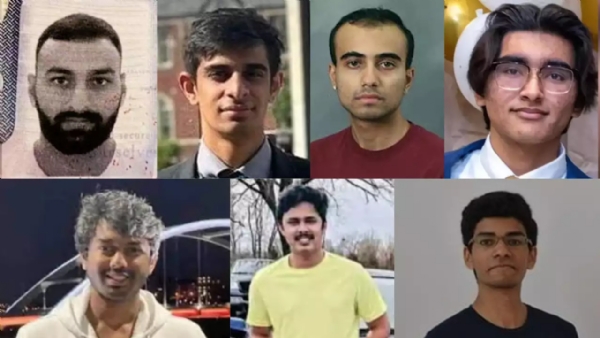
In recent weeks, the United States has witnessed a concerning spike in the deaths of Indian or Indian-origin students under suspicious circumstances. This alarming trend suggests that the Joe Biden administration is not taking sufficient measures to address these attacks. Just recently, Mohammed Abdul Arfath, a 25-year-old student from Hyderabad, was found dead in Cleveland after being missing for several weeks. His family had even received a ransom call on March 17. Tragically, similar incidents have occurred, including the death of Uma Satya Sai Gadde in Ohio last week and the shooting of Amarnath Ghosh, a trained classical dancer, in St. Louis, Missouri, in March.


NB Security Scan 82 
 
 
The series of unnatural deaths in January and February prompted John Kirby, a White House communications officer, to emphasize that there is no excuse for violence based on race, gender, religion, or any other factor. He assured the Indian diaspora that the Biden administration was working diligently to prevent such attacks. Similarly, US Ambassador to India . However, the situation on the ground appears to be worsening.
 
The Foundation for India and Indian Diaspora Studies, based in the US, has identified the main causes behind these incidents, which include violent crimes, suspicious accidents, and mental health issues leading to suicide. The foundation has urged authorities to raise awareness about the various risks and provide mental health support. There are speculations that negative propaganda against the Indian community is fuelling hate crimes.
 
Indians comprise approximately 25 percent of foreign students in the US. It is imperative for America to prioritize their safety and take strong action against the perpetrators of hate crimes.
 
By taking proactive steps to safeguard Indian students and cracking down on hate-mongers, the United States can uphold its commitment to inclusivity, protect its reputation, and foster a safe and welcoming environment for all students.
 
 
Indian Military Diplomatic Outreach: Plans To Dispatch Defence Attachés To Key African Regions
 
 
India is amplifying its military diplomacy endeavors, with a keen focus on bolstering engagement in Africa and other vital regions worldwide.
 
"India's decision to deploy defence attachés in Mozambique, the Ivory Coast, and the Philippines marks a pivotal step in enhancing our defence cooperation with these nations.
 
India will also post defence attachés for the first time to Poland, and to Armenia, with which the Indian side recently concluded a big-ticket arms deal.
 
These postings will reinforce India's presence in key regions and pave the way for greater military collaboration.
 
India plans to appoint a defence attaché in Ethiopia after several decades, along with the deployment of a new military attaché to Djibouti.
 
"These postings signify India's keen interest in strengthening defence ties with countries aiming to modernize their armed forces," emphasized the official.
 
In tandem with its African outreach, India is establishing 18 new missions on the continent as part of the external affairs ministry's broader strategy.
 
"These developments underscore India's commitment to fostering robust security partnerships and advancing its national interests on the global stage.
 
India is also streamlining its military presence in countries like Russia and the UK, reallocating resources to nations witnessing increased defence cooperation.


Monday, 15 April 2024

Action Needed to Ensure #Security of Indian Students in the USA

In recent weeks, the United States has witnessed a concerning spike in the deaths of Indian or Indian-origin students under suspicious circumstances. This alarming trend suggests that the Joe Biden administration is not taking sufficient measures to address these attacks. Just recently, Mohammed Abdul Arfath, a 25-year-old student from Hyderabad, was found dead in Cleveland after being missing for several weeks. His family had even received a ransom call on March 17. Despite the Indian consulate's claim of cooperation with local law enforcement agencies, the student could not be rescued. Tragically, similar incidents have occurred, including the death of Uma Satya Sai Gadde in Ohio last week and the shooting of Amarnath Ghosh, a trained classical dancer, in St. Louis, Missouri, in March.


The series of unnatural deaths in January and February prompted John Kirby, a White House communications officer, to emphasize that there is no excuse for violence based on race, gender, religion, or any other factor. He assured the Indian diaspora that the Biden administration was working diligently to prevent such attacks. Similarly, US Ambassador to India, Eric Garcetti, expressed a strong commitment from his government to convince Indians that America is a safe and wonderful place to study. However, the situation on the ground appears to be worsening.


The Foundation for India and Indian Diaspora Studies, based in the US, has identified the main causes behind these incidents, which include violent crimes, suspicious accidents, and mental health issues leading to suicide. The foundation has urged authorities to raise awareness about the various risks and provide mental health support. There are speculations that negative propaganda against the Indian community is fueling hate crimes. Given that Indians comprise approximately 25 percent of foreign students in the US, it is imperative for America to prioritize their safety and take strong action against the perpetrators of hate crimes. The current lack of vigilance could severely damage America's reputation as a preferred destination for Indian students.


Immediate and decisive measures are needed to ensure the security and well-being of Indian students in the USA. The Biden administration must intensify its efforts to address these attacks, collaborate closely with law enforcement agencies, and establish robust preventive measures. By taking proactive steps to safeguard Indian students and cracking down on hate-mongers, the United States can uphold its commitment to inclusivity, protect its reputation as an educational hub, and foster a safe and welcoming environment for all students.

Sunday, 17 March 2024

The security challenges faced by the Indian diaspora , Non-Resident Indians in countries like the USA, Canada, and Europe

 The security challenges faced by the Indian diaspora and Non-Resident Indians (NRIs) in countries like the USA, Canada, and Europe can be diverse and multifaceted. These challenges can range from hate crimes and discrimination to workplace harassment and even instances of violence. Here's a comprehensive plan outlining measures that both individuals and the Indian government can take to ensure the safety and security of the Indian diaspora:

  1. Awareness and Education Campaigns:

    • Individuals should educate themselves about local laws, cultural norms, and potential risks in their host countries.
    • The Indian government can launch awareness campaigns through its embassies and consulates, providing information about legal rights, emergency contact numbers, and safety tips.
  2. Community Engagement and Support Networks:

    • Establish community organizations or support groups that offer assistance, guidance, and solidarity to Indians facing security issues.
    • The Indian government can facilitate the formation of these networks and provide resources for their operation.
  3. Collaboration with Local Authorities:

    • Encourage cooperation between Indian community leaders and local law enforcement agencies to address security concerns effectively.
    • The Indian government can work with host country authorities to establish mechanisms for reporting hate crimes, discrimination, and other security incidents.
  4. Cultural Sensitivity and Integration Programs:

    • Foster understanding and mutual respect between the Indian diaspora and the local population through cultural exchange programs and initiatives.
    • The Indian government can support cultural events and language classes to help Indians integrate into their host communities and reduce the likelihood of xenophobic incidents.
  5. Employment Protection and Legal Assistance:

    • Educate NRIs about their labor rights and avenues for seeking legal recourse in cases of workplace discrimination or harassment.
    • The Indian government can establish legal aid services or hotlines to provide assistance to Indians facing employment-related security issues.
  6. Emergency Response and Assistance:

    • Develop emergency response protocols for situations involving threats to personal safety or security.
    • The Indian government can establish 24/7 helplines and consular services to provide immediate assistance to Indians in distress.
  7. Diplomatic Engagement:

    • Engage in diplomatic dialogue with host countries to address systemic issues affecting the security of the Indian diaspora.
    • The Indian government can advocate for policy changes and bilateral agreements to enhance the protection of NRIs and Indian expatriates.
  8. Promotion of Cultural Diversity and Inclusion:

    • Promote multiculturalism and diversity in host countries through public awareness campaigns and educational initiatives.
    • The Indian government can support initiatives that celebrate Indian culture and heritage, fostering a more inclusive environment for NRIs.
  9. Travel Advisories and Risk Assessment:

    • Provide up-to-date travel advisories and safety guidelines for Indians traveling or residing abroad.
    • The Indian government can collaborate with host country authorities to assess security risks and provide timely information to Indian citizens.
  10. Investment in Security Infrastructure:

    • Allocate resources for enhancing security measures in areas with significant Indian population concentrations.
    • The Indian government can invest in CCTV surveillance, street lighting, and other infrastructure improvements to deter crime and improve safety.

By implementing these measures, both individuals and the Indian government can work together to mitigate security challenges faced by the Indian diaspora and NRIs in countries like the USA, Europe, and Canada. Collaboration, education, and proactive engagement are key to ensuring the safety and well-being of Indians living abroad

Monday, 11 March 2024

USING INDIANS AS FODDER IN UKRAINE WAR

 Unscrupulous travel agents are deceiving Indians, enticing them to travel to conflict zones such as fighters in Russia or acting as a civilian shield in Israel. While the hard work of Indian migrants has contributed to the prosperity of various regions, these qualities have made them susceptible to exploitation by duplicitous traffickers. Recent incidents, like the death of Nibin Maxwell from Kerala in a missile attack on the Israel-Lebanon border, highlight the dangers faced by these workers.


New recruits, substituting for Palestinian workers barred from entering Israel, find themselves in perilous situations due to geopolitical tensions. Urgent action is needed from the External Affairs, Home, and Labour ministries to establish comprehensive policies and government-to-government arrangements for work visas. This is crucial to prevent Indians from unwittingly joining armed conflicts, whether in dangerous border areas in Israel or falling prey to Russian schemes. The goal is to safeguard Indian workers from becoming unwitting cannon fodder in these deadly situations.

Thursday, 22 February 2024

USA SHOULD ENSURE SECURITY OF INDIAN DIASPORA IN USA

Ensuring the safety of Indians in the United States demands significant efforts from the American government. The recent surge in unnatural deaths among the Indian diaspora in the country prompted the White House to provide reassurance, emphasizing the administration's earnest commitment to preventing such attacks. A spokesperson from the White House unequivocally stated that violence based on race, gender, or religion has no justification. This assurance, however, comes at a time when the U.S. has faced criticism internationally for its perceived indifference to Israel's actions in Gaza, challenging its proclaimed values of liberalism and diversity.


The influx of Indians to the U.S. has been unprecedented, particularly notable with a 35% increase in Indian student enrollment during the 2022-23 academic year, poised to surpass that of Chinese students. Despite this, the worrisome trend of deaths among Indian-origin students, including cases with evident racism or targeting, raises concerns. In a country where gun culture prevails, and becoming involved in criminal activities is considered a career option in certain circles, newly arrived Indians must exercise caution and take necessary precautions.


Another layer of concern is the simmering animosity among some U.S. citizens towards those who look different from the predominant white and African-American populations. Instances of hate crimes, such as recurring attacks against Sikhs in New York City, have compelled leaders to dispel stereotypes, with the city's Mayor asserting that wearing a turban does not imply terrorism. FBI statistics for 2022 reflected the highest recorded hate crime rate since 2001. It is imperative for the White House to extend its protective measures beyond individuals like Gurpatwant Singh Pannun, designated as a terrorist by India, recognizing the significant contributions of Indian immigrants to the U.S. economy and polity.


Tuesday, 23 January 2024

Canada's decision to impose a two-year cap on international student permits

 Canada's decision to impose a two-year cap on international student permits has cast a shadow over the aspirations of potential candidates. The focal point of concern revolves around the justifications provided by the Immigration Minister. A closer examination reveals the harsh realities awaiting young Indians aspiring for study visas. The minister pointed out that certain private institutions have exploited international students by operating under-resourced campuses and charging exorbitant tuition fees. Such circumstances do not align with the envisioned dreams of students and their parents, potentially prompting a shift to alternative countries for education. The underlying sentiment persists—the preference for any place other than India, regardless of the associated costs. Ultimately, the limited opportunities available domestically take precedence.

In the third quarter of 2023, Canada experienced its fastest population growth in six decades, with over eight lakh foreign students in the country in 2022, a substantial increase from 2.14 lakh a decade earlier. Prime Minister Justin Trudeau faces electoral challenges, as opinion polls indicate potential losses if an election were held presently. The government is pressured to address the housing crisis, linked to the surge in immigration. The imposed cap is anticipated to result in a 35 percent decrease in study permits compared to the previous year, aiming to alleviate the strain on housing and other services.

For many, the discouraging job prospects and the fear of missing out on a better life abroad make the decision to leave for any destination an obvious one, regardless of the uncertainties ahead. Indian households are projected to spend $70 billion annually on their children's foreign education by 2025, with the surge primarily driven by non-metro and small-town residents. This trend reflects a disheartening commentary on the subpar higher education landscape in India, marked by a lack of both qualitative and quantitative choices. The imperative for students is to prioritize quality education above all else