Total Pageviews

Showing posts with label #india security scan. Show all posts

Monday, 21 April 2025

India's Commitment to Defence Self-Reliance Strengthening India-UK Defence Ties Future Warfare Course for Defence Industry Integration China Denies Supplying Arms in Ukraine Conflict US Airstrikes Target Houthi Rebels in Yemen Chinese Company Accused of Supporting Houthi Attacks


India's Commitment to Defence Self-Reliance

During an event in Chhatrapati Sambhajinagar on Friday, Defence Minister Rajnath Singh affirmed the government's commitment to making India self-reliant in the defence sector. He highlighted that defence exports have surged from ₹600 crore in 2014 to ₹24,000 crore, with a target of reaching ₹50,000 crore by 2029-30. Singh noted that the government has implemented several significant measures to achieve self-reliance and has identified items that will be manufactured domestically rather than imported. Currently, defence production stands at ₹1.60 lakh crore, with plans to increase this to ₹3 lakh crore. “I see great potential in Chhatrapati Sambhajinagar as a production hub,” Singh stated.

Strengthening India-UK Defence Ties

India and the United Kingdom are collaborating to develop a defence industrial cooperation roadmap aimed at enhancing industry engagement and strengthening bilateral relations, according to Defence Secretary Rajesh Kumar Singh. Concluding a two-day visit to the UK, Singh led a high-level Indian delegation for the annual bilateral defence dialogue. Both sides reviewed the evolving regional and global geopolitical landscape and reaffirmed their shared commitment to deepening defence ties, the Defence Ministry reported on Friday.

Future Warfare Course for Defence Industry Integration

Fifteen representatives from the private sector, including start-ups, have been selected to participate in a three-week Future Warfare course designed to integrate defence industry insights with military needs. Now in its second edition, this initiative will provide participants with real-time exposure to the requirements of the Army, Air Force, and Navy, fostering collaboration in the development of advanced technologies and systems. The course aims to enhance understanding of modern warfare strategies and prepare attendees to contribute effectively to India's defence landscape. Representatives from other major defence organizations will also be involved in the program.

China Denies Supplying Arms in Ukraine Conflict

Beijing has denied allegations of providing lethal weapons to any party in the Ukraine war, responding to claims made by President Zelenskyy that China was supplying arms to Russia. "The Chinese side has never provided lethal weapons to any party in the conflict and strictly controls dual-use items," Foreign Ministry spokesperson Lin Jian stated. China continues to portray itself as a neutral party in the ongoing three-year conflict.

US Airstrikes Target Houthi Rebels in Yemen

US airstrikes targeting a fuel port in Yemen have reportedly killed 80 Houthi rebels and injured 150, marking one of the deadliest strikes since the US resumed military operations against the Iran-backed group. The attacks, focused on the Ras Issa fuel port, aim to disrupt the Houthis' economic resources amid ongoing regional tensions. The US military indicated that the strikes were intended to impair Houthi capabilities. In retaliation, the rebels have threatened missile strikes on Israel, following its recent military operations in Gaza that resulted in significant casualties.

Chinese Company Accused of Supporting Houthi Attacks

The US State Department has accused a Chinese satellite company of supporting attacks by Yemen’s Houthis on American interests. Spokeswoman Tammy Bruce stated, "Chang Guang Satellite Technology Company is directly supporting Iran-backed Houthi attacks on US interests." She emphasized that the company's actions, along with Beijing’s support, even after private engagements with the US, illustrate China's empty claims of promoting peace.

Indian Army's Humanitarian Mission in Myanmar DUSTLIK-VI: India-Uzbekistan Military Exercise Supreme Court's Ruling on Ex-Servicemen Rehabilitation Farooq Abdullah Responds to Controversial Claims Terrorist Infiltration Route Discovered in Jammu and Kashmir West Bengal Chief Minister's Accusations of Communal Violence Security Operations in Manipur India's Growing Trade Deficit with China


Indian Army's Humanitarian Mission in Myanmar

Under 'Operation Brahma', the Indian Army’s 50th Parachute Brigade deployed a field hospital in Myanmar to assist victims of a devastating 7.7 magnitude earthquake. Comprising around 123 members, the brigade provided continuous medical aid and rescue services for several days. The team returned to India on Tuesday night and was welcomed at Hindon Airbase in Ghaziabad. The Ministry of External Affairs confirmed ongoing support for Myanmar, stating that all three armed forces are prepared for further deployment if necessary. Established in 1941 during World War II, the 50th Parachute Brigade has a distinguished legacy, including operations in Kashmir (1947-48) and the 1971 Indo-Pak war, as well as various international missions. Brigadier Naveen Kumar highlighted the brigade’s rapid deployment and the establishment of a fully equipped hospital that treated over 1,000 people and performed life-saving surgeries.

DUSTLIK-VI: India-Uzbekistan Military Exercise

The sixth edition of the India-Uzbekistan Joint Military Exercise, DUSTLIK-VI, commenced on April 16 at the Foreign Training Node in Aundh, Pune, and will continue until April 28. The Indian contingent consists of 60 personnel from a Jat Regiment battalion and the Indian Air Force, collaborating with members of the Uzbekistan Army. This annual exercise focuses on joint multi-domain operations in semi-urban scenarios, aimed at counterterrorism efforts, including population control, raids, and neutralizing threats. Training activities will involve establishing a Joint Operations Centre, deploying drones and helicopters for reconnaissance, and securing a helipad for operational use. The last edition was held in Uzbekistan in April of the previous year.

Supreme Court's Ruling on Ex-Servicemen Rehabilitation

The Supreme Court of India stated on Wednesday that effective rehabilitation of ex-servicemen is not merely a gesture of honor but also crucial for maintaining the morale of serving personnel. The court warned that neglecting ex-servicemen could deter youth from joining the armed forces. This observation arose during a hearing of a plea filed by a retired female officer from the Indian Military Nursing Service (IMNS), who was denied classification as an ‘ex-serviceman’ post-retirement. Upholding the High Court's verdict, the Supreme Court ruled that retired MNS personnel should be granted ex-serviceman status.

Farooq Abdullah Responds to Controversial Claims

Former Jammu and Kashmir Chief Minister Farooq Abdullah reacted angrily to claims by former R&AW chief A.S. Dulat that he had “privately backed” the abrogation of Article 370. Abdullah accused Dulat of engaging in “cheap stunts” to boost sales for his forthcoming book. Dismissing Dulat’s assertion that the National Conference (NC) would have “helped” pass the proposal to abrogate the special status of the erstwhile state if consulted, Abdullah called this a “figment of imagination” on the author’s part. Dulat’s book, “The Chief Minister and the Spy,” is set to be released on April 18.

Terrorist Infiltration Route Discovered in Jammu and Kashmir

Recent encounters in Kathua district, Jammu and Kashmir, have revealed a terrorist infiltration route from across the International Border, according to police officials. Senior Superintendent of Police Shobhith Saxena reported that four encounters in the past month led to significant recoveries of weapons, ammunition, and explosives, thwarting terror plans in the region. In one incident, four armed militants were killed after security forces intercepted them in Saniyal forest. Saxena emphasized the vital role of local cooperation in these operations, which helped gather intelligence about the infiltrators. The police continue to monitor the situation closely and plan to prevent further use of the exposed infiltration route.

West Bengal Chief Minister's Accusations of Communal Violence

West Bengal Chief Minister Mamata Banerjee has labeled the recent communal violence in Murshidabad as “pre-planned,” accusing a section of the BSF, central agencies under the Ministry of Home Affairs, and the BJP of orchestrating tension by allegedly facilitating outsiders and enabling cross-border influx from Bangladesh. Banerjee urged Prime Minister Narendra Modi not to implement the “atrocious” Waqf (Amendment) Act.

Security Operations in Manipur

The Manipur Police have apprehended 14 militants from various groups, recovering arms, ammunition, and cash totaling ₹21.50 lakh linked to a UNLF militant. The arrests occurred across six districts, including Thoubal, Imphal East, and Bishnupur, targeting members of the Kangleipak Communist Party, United National Liberation Front, PREPAK, and others. Subsequent joint operations by the Army, Assam Rifles, CRPF, BSF, ITBP, and Manipur Police also resulted in the recovery of 77 illegal arms, explosives, and war-like stores. Additionally, shelters used for village volunteer training were dismantled in Gelmol, Churachandpur district, as part of ongoing security measures in the region.

India's Growing Trade Deficit with China

India's trade deficit with China is nearing $100 billion, with the gap reaching $99.2 billion in FY25, according to official data. Despite efforts to reduce reliance on Chinese goods, India's imports surged by 16.6% year-on-year, largely driven by demand for electronics, EV batteries, and solar cells. Imports of machinery and chemicals accounted for a significant portion of trade, totaling approximately $53.2 billion in the April-January period of 2024-25. Meanwhile, India's exports to China have declined by 14.5%, standing at $14.2 billion. As a result, there are growing concerns about India's heavy dependence on Chinese products, including critical industrial inputs, amid ongoing geopolitical tensions.

Resumption of Kailash Mansarovar Yatra

India and China are working to restart the Kailash Mansarovar Yatra, which has been suspended since 2019 due to the pandemic and border tensions. Officials have expedited talks, aiming for an agreement to select pilgrims soon while overcoming logistical issues to ensure a smooth travel process. The Yatra is expected to resume between June and September 2024, with a computerized lottery system in place for participant selection. The costs for the pilgrimage will increase compared to previous years due to revised accommodation and transportation rates. Discussions about the Yatra's resumption took place between Indian External Affairs Minister S. Jaishankar and Chinese Foreign Minister Wang Yi during their meeting ahead of the G-20 summit in Brazil

Sunday, 20 April 2025

Coast Guard Seizes Illegal Sea Cucumbers and Intercepts Massive Drug Shipment7. India Rejects Pakistan's Criticism of Waqf Amendment Act as Internal Matter8. India and China Near Agreement to Resume Kailash Mansarovar Yatra9. India and US to Commence Virtual Talks on Comprehensive Trade Agreement10. High-Level Security Review Conducted Ahead of Katra-Srinagar Railway Inauguration In11. NIA Chargesheet Filed Against Three in J&K Terrorism Conspiracy Case12. China and Philippines Trade Accusations Over South China Sea Maneuvers13. China Accuses US "Secret Agents" of Cyberattacks During Winter Games14. Reportedly, China Instructs Airlines to Halt Boeing Aircraft Deliveries Amid Trade Tensions15. Police Bus Explosion in Pakistan's Balochistan Kills Officers An17. Bangladesh and Pakistan to Hold First Foreign Office Consultations in 15 Years


6. Coast Guard Seizes Illegal Sea Cucumbers and Intercepts Massive Drug Shipment The Indian Coast Guard (ICG) conducted an anti-poaching operation in Ramanathapuram, Tamil Nadu, on April 13, 2025, resulting in the seizure of 145 kilograms of illegal sea cucumbers valued at ₹58 lakh. Harvesting sea cucumbers is prohibited in India under the Wildlife Protection Act, 1972. In a separate but related operation, the Coast Guard, in collaboration with the Gujarat Anti-Terrorist Squad (ATS), intercepted 300 kilograms of illegal drugs worth an estimated ₹1,800 crore. Smugglers were attempting to transport these narcotics across the International Maritime Boundary Line. The seized contraband has been handed over to the ATS for further investigation and legal action.

7. India Rejects Pakistan's Criticism of Waqf Amendment Act as Internal Matter India has dismissed Pakistan's criticism regarding the Waqf (Amendment) Act, firmly stating that it is an internal affair on which Pakistan has no right to comment. MEA spokesperson Randhir Jaiswal stressed that Pakistan should instead focus on its own record concerning the protection of minorities rather than making unsubstantiated claims about India's legislation. This strong response followed concerns raised by Pakistan's foreign office, which alleged that the new Indian law would undermine the Muslim community's control over Islamic charitable endowments. Meanwhile, the Supreme Court of India is scheduled to hear petitions challenging the constitutionality of the Waqf (Amendment) Act, with a three-judge bench set to review the matter.

8. India and China Near Agreement to Resume Kailash Mansarovar Yatra India and China are reportedly close to reaching an agreement to resume the Kailash Mansarovar Yatra, a significant pilgrimage that has been suspended since 2020 due to the COVID-19 pandemic and ongoing border tensions. The resumption of this pilgrimage to Mount Kailash and Mansarovar Lake in Tibet is viewed as a potential confidence-building measure following a recent understanding between the two nations regarding the disengagement of troops from disputed border areas. While this year's Yatra may commence later than usual, the Chinese side has requested additional time to refurbish facilities for the pilgrims. The Yatra, which holds religious significance for Hindus, Jains, and Buddhists, is typically organized between June and September, and discussions are underway between both countries to normalize relations following past skirmishes along the Line of Actual Control (LAC).

9. India and US to Commence Virtual Talks on Comprehensive Trade Agreement India and the United States are scheduled to begin virtual negotiations this week on a comprehensive bilateral trade agreement (BTA), with plans to transition to in-person talks by mid-May. This ambitious trade pact aims to more than double the current bilateral trade volume, targeting $500 billion by the year 2030, a significant increase from the approximately $191 billion recorded currently. Indian officials are emphasizing the importance of securing tariff concessions and ensuring inclusivity across various industrial sectors, while also expressing optimism regarding the negotiation process. Both countries have already signed the terms of reference for the agreement, and initial discussions have taken place at the leadership level.

10. High-Level Security Review Conducted Ahead of Katra-Srinagar Railway Inauguration In preparation for Prime Minister Narendra Modi's scheduled visit on April 19 to inaugurate the Katra-Srinagar railway line, Inspector General of Police (IGP) of the Kashmir Zone, VK Birdi, chaired a high-level joint security review meeting to ensure comprehensive preparedness for the upcoming events. The meeting saw the participation of top officials from various security forces, including the Army, intelligence agencies, and railway police. Key emphasis was placed on the necessity of intensified patrolling and enhanced coordination among all involved agencies. IGP Birdi underscored the importance of strict adherence to Standard Operating Procedures (SOPs) and called for robust inter-agency cooperation to effectively address potential threats and bolster overall security measures in the region.

11. NIA Chargesheet Filed Against Three in J&K Terrorism Conspiracy Case The National Investigation Agency (NIA) has filed a charge sheet against three individuals in connection with a terrorism case, including a handler based in Pakistan-occupied Kashmir (PoK), for their involvement in a conspiracy aimed at inciting terrorist violence in Jammu and Kashmir. The accused have been identified as Abdul Aziz, Munawar Hussain, and Nazir Hussain. The charges against them stem from the seizure of arms and ammunition in the Poonch district last year. The NIA's case originated from a police First Information Report (FIR) filed in October 2024, which led to the apprehension of Abdul Aziz and the subsequent arrest of Munawar Hussain. Investigations revealed that both suspects were in contact with Nazir Ali, thereby linking them to a wider conspiracy intended to destabilize the region.

12. China and Philippines Trade Accusations Over South China Sea Maneuvers China and the Philippines have accused each other of engaging in dangerous maneuvers in a highly contested shoal within the South China Sea, marking the latest confrontation in the ongoing dispute over the strategic waterway. The Philippine Coast Guard reported that a Chinese Coast Guard (CCG) vessel accelerated and maneuvered on Monday to obstruct the navigation route of a Philippine vessel approximately 36 nautical miles off the Scarborough shoal. Philippine officials stated, "This incident highlights the CCG's non-compliance with international regulations and reflects a blatant disregard for safety at sea."

13. China Accuses US "Secret Agents" of Cyberattacks During Winter Games Chinese security officials announced on Tuesday that they have implicated three individuals identified as US "secret agents" in cyberattacks that allegedly occurred during February's Asian Winter Games in the northeastern city of Harbin. Authorities in Harbin released a statement on the social media platform Weibo, accusing three agents from the US National Security Agency (NSA) of conducting attacks on "key information infrastructure." The statement also indicated that a reward would be offered for any information related to the alleged spies.

14. Reportedly, China Instructs Airlines to Halt Boeing Aircraft Deliveries Amid Trade Tensions According to reports, China has instructed its airlines to refrain from taking delivery of Boeing aircraft, signaling a potential reversal of a significant deal amidst escalating trade tensions. This development follows a reported halt in additional orders, with major Chinese carriers, including China Airlines, China Eastern Airlines, and China Southern Airlines, having previously planned to take delivery of 45, 53, and 81 Boeing jets, respectively, between 2025 and 2027.

15. Police Bus Explosion in Pakistan's Balochistan Kills Officers An explosion that targeted a police bus in Pakistan's southwestern Balochistan province resulted in the deaths of at least three police officers and injured 16 others on Tuesday, according to authorities. The bus was transporting approximately 40 police officers when it was struck by the blast in the Mastung district, located about 40 kilometers south of Quetta, the provincial capital. Local administration official Raja Muhammad Akram stated, "It was a roadside IED blast that resulted in the deaths of three policemen while wounding 16 others."

17. Bangladesh and Pakistan to Hold First Foreign Office Consultations in 15 Years Bangladesh and Pakistan are scheduled to hold their first foreign office consultation in 15 years, set to take place on Thursday in Dhaka. Pakistan's Foreign Secretary Anna Baloch will head her country's delegation, while Bangladesh's Foreign Secretary M Jashim Uddin will represent Bangladesh. Although a specific agenda has not been disclosed, the discussions are anticipated to cover a broad spectrum of bilateral issues. Foreign Secretary Baloch is also expected to make courtesy calls to key government officials. This meeting reflects Islamabad's interest in strengthening trade relations with Dhaka, and both nations aim to revitalize their diplomatic relationship after a significant period of limited engagement.

18. Maldives Imposes Ban on Israeli Passport Holders in Solidarity with Palestine The Maldives has announced a ban on individuals holding Israeli passports from visiting the country, reaffirming its "resolute solidarity" with the Palestinian cause. President Mohamed Muizzu ratified the Third Amendment to the Maldives Immigration Act on April 15, underscoring the government's firm stance against the ongoing violence perpetrated by Israel against Palestinians. This decision aligns with earlier commitments made by the Muizzu administration to restrict entry for Israeli tourists, joining Bangladesh and Pakistan in implementing similar prohibitions. The Maldives is not a major destination for Israeli tourists, with its tourism sector primarily relying on visitors from countries such as China and India. The entry ban is effective immediately.

Saturday, 19 April 2025

11. Renewed Violence Erupts in West Bengal Amid Waqf Act Protests; Calls for AFSPA 15. New Book Alleges Chinese Funding of Northeast Separatist Groups and Narcotics Trade 16. Mizoram Officials Issue Guidelines at Refugee Camp Amid Drug Trafficking Concerns 17. India and Nepal Collaborate to Enhance Border Security and Curb Smuggling


11. Renewed Violence Erupts in West Bengal Amid Waqf Act Protests; Calls for AFSPA Fresh violence flared up in Jangipur, Murshidabad district, West Bengal, marking the third consecutive day of unrest stemming from protests against the Waqf Amendment Act. During the clashes, a youth sustained a bullet injury, leading to accusations of firing by Border Security Force (BSF) personnel. Over 600 villagers, predominantly Hindu women, reportedly fled to neighboring Baishnabnagar seeking safety after their homes were vandalized amidst the escalating unrest. In response to these incidents, BJP Purulia MP Jyotirmoy Singh Mahato has urged Union Home Minister Amit Shah to declare four border districts of West Bengal—Murshidabad, Malda, Nadia, and South 24 Parganas—as "disturbed areas" under the Armed Forces (Special Powers) Act (AFSPA), citing persistent violence against the Hindu community. State and police officials maintain that the situation is under control, with 168 individuals having been arrested.

15. New Book Alleges Chinese Funding of Northeast Separatist Groups and Narcotics Trade A newly published book, "Modi’s Bharat: A Decade of Achievements," alleges that China is providing financial support to various separatist and militant groups in Northeast India, with a particular focus on Manipur, which is home to 34 ethnic-based militant organizations. The authors, Amit Bagaria and Savio Rodrigues, contend that the recent violence in Manipur is being fueled by stakeholders involved in a ₹70,000 crore narcotics trade and is part of a proxy war orchestrated by China. The book also highlights the role of Myanmar migrants in exacerbating regional tensions due to the ongoing civil war in Myanmar, with over 40,000 illegal immigrants reported in Mizoram and approximately 4,500 in Manipur. Furthermore, it suggests that since 1947, China has aimed to destabilize the Northeastern region by influencing local communities to question their national identity.

16. Mizoram Officials Issue Guidelines at Refugee Camp Amid Drug Trafficking Concerns In the Lawngtlai district of South Mizoram, officials, including representatives from paramilitary forces, state police, and civil society organizations, conducted a visit to the refugee camp in Bualpui NG village. The purpose of the visit was to issue strict guidelines for displaced individuals from Myanmar. This action follows a recent drug bust in the village, where authorities seized 56,000 methamphetamine tablets. Officials are increasingly concerned that drug trafficking networks may be exploiting the ongoing refugee crisis as an opportunity to smuggle illegal drugs into Mizoram.

17. India and Nepal Collaborate to Enhance Border Security and Curb Smuggling India and Nepal are set to strengthen their border infrastructure and customs operations with the aim of combating trans-border criminal activities and the smuggling of prohibited items, including gold, narcotics, and counterfeit currency. Customs authorities from both nations have reached an agreement to implement necessary measures designed to improve the effectiveness and efficiency of trade along their shared border. Key discussions centered on upgrading border facilities and implementing automation and digitization of transit processes to enhance border management and effectively curb smuggling activities


1. Indian Army Neutralizes Pakistani Drone with Indigenous System2. Solar Power Transforms Kashmir Border Village Through Army Initiative 3. India Commemorates 41st Anniversary of Operation Meghdoot's Siachen Victory 4. Soldier Injured in Landmine Explosion Near LoC in Poonch 5. GPS Spoofing Incident Affects Indian Relief Aircraft in Myanmar 6. Concerns Rise Over IAF Fighter Jet Crashes and Pilot Training 7. IAF Bolsters Transport Fleet with New C-295 Aircraft Delivery 8. INS Sunayna Enhances Maritime Cooperation in Indian Ocean Region 9. India Advances Directed Energy Weapon Capabilities with Successful Laser System Trial


1. Indian Army Neutralizes Pakistani Drone with Indigenous System

Near the Line of Control (LoC) in Jammu, the Indian Army successfully neutralized a Pakistani drone. The drone, of Chinese origin and engaged in surveillance, was brought down using the indigenously designed and developed Integrated Drone Detection and Interdiction System. Army Air Defence units stationed in the 16 Corps area, south of the Pir Panjal Mountain range, detected and intercepted the aerial vehicle. This system, developed by the Defence Research and Development Organisation (DRDO), utilizes a 2-kilowatt laser beam with an effective range of 800 to 1,000 meters to counter enemy drones.


2. Solar Power Transforms Kashmir Border Village Through Army Initiative

A collaborative effort between the Indian Army's Operation Sadbhavana and the Pune-based Aseem Foundation has brought transformative change to the border village of Simari in the Karnah Valley of Kashmir. The initiative has provided solar power to every home, significantly improving the lives and dignity of the community. Previously, residents relied on inadequate kerosene lamps and firewood due to unreliable electricity, which hindered daily activities and education. The installation of solar micro-grids now supplies 53 households with consistent, clean electricity. This has also enhanced health and safety by enabling the replacement of firewood with LPG stoves. The project, dedicated to the memory of Colonel Santosh Mahadik, not only provides essential power but also fosters self-reliance by training local youth in system maintenance.


3. India Commemorates 41st Anniversary of Operation Meghdoot's Siachen Victory

India observed the 41st anniversary of Operation Meghdoot on Sunday, a landmark military mission that secured the Siachen Glacier, the world's highest battlefield. Launched in 1984, this preemptive operation by the Indian Army successfully thwarted Pakistan's plans to occupy strategic positions in the region. Supported by the Indian Air Force (IAF), Indian troops captured key passes such as Bilafond La and Sia La, establishing control over the glacier. The operation demonstrated seamless coordination between the Army and Air Force, with helicopters and aircraft playing a vital role in transporting soldiers and supplies to extreme altitudes. Despite enduring harsh conditions, including temperatures plummeting to -50°C, Indian soldiers continue to defend the glacier with unwavering dedication.


4. Soldier Injured in Landmine Explosion Near LoC in Poonch

An Indian Army soldier sustained injuries on Sunday due to a landmine explosion near the Line of Control in the Poonch district. The incident occurred while the soldier was patrolling the Balakote sector of Mendhar. He suffered injuries to his right foot and was promptly evacuated to a military hospital for treatment. Officials have stated that the forward areas are interspersed with landmines as part of an anti-infiltration obstacle system. These mines are occasionally displaced by rain, leading to such unfortunate accidents.


5. GPS Spoofing Incident Affects Indian Relief Aircraft in Myanmar

Indian Air Force (IAF) transport aircraft involved in delivering relief materials to earthquake-stricken Myanmar late last month experienced GPS spoofing, raising significant security concerns. Reports indicate that the first C-130J aircraft, which departed on March 29, encountered tampered GPS signals while flying within Myanmar's airspace, forcing pilots to rely on backup navigation systems. Subsequently, the majority of the six military transport aircraft dispatched by India to deliver aid, field hospitals, and rescue teams faced similar GPS spoofing issues. This type of cyber-attack involves generating false GPS signals, which can mislead navigation equipment and severely compromise aircraft safety. Military sources suggest that a regional adversary likely originated the spoofing. While such incidents are not uncommon in conflict zones, investigating them within foreign airspace presents considerable challenges.


6. Concerns Rise Over IAF Fighter Jet Crashes and Pilot Training

The recent increase in crashes involving Indian Air Force (IAF) fighter jets has amplified concerns regarding pilot training and existing safety protocols. This year alone, three fighter jets have crashed during training exercises, resulting in the death of one pilot and injuries to another due to a reported technical malfunction. While the IAF's mishap rate is reportedly on a decline based on historical data indicating safety improvements, retired Air Marshals emphasize the critical need for enhanced simulation training to further mitigate risks. They suggest that current training regimes may not be adequately preparing pilots for combat readiness. Despite the IAF's established safety organization and ongoing investigations into these crashes, critical issues such as aging aircraft and potential technical faults must be addressed proactively.


7. IAF Bolsters Transport Fleet with New C-295 Aircraft Delivery

The Indian Air Force (IAF) is scheduled to receive its 12th C-295 medium transport aircraft today, significantly enhancing its tactical transport capabilities. This acquisition is part of a ₹21,935 crore ($2.8 billion) deal with Airbus, signed in September 2021. The latest delivery will arrive at the IAF's Agra Air Base from Airbus' facility in Spain and contributes to the ongoing replacement of the aging Avro fleet. Out of the 16 C-295 aircraft ordered, 11 have already been delivered, with the remaining four expected by August 2025. Furthermore, Tata Advanced Systems Limited will assemble an additional 40 aircraft at a new facility in Vadodara, with the first locally assembled unit anticipated by September 2026.


8. INS Sunayna Enhances Maritime Cooperation in Indian Ocean Region

INS Sunayna, designated as an Indian Ocean Ship (IOS) under the SAGAR (Security and Growth for All in the Region) initiative, arrived at the Port of Dar-es-Salaam, Tanzania, on April 12, following its departure from Karwar, Karnataka, on April 5. The ship's crew comprises 44 naval personnel, including members from nine Friendly Foreign Nations (FFNs) of the Indian Ocean Region. The ship received a warm welcome from Tanzanian naval officials and representatives of the Indian High Commission. During its visit, INS Sunayna will participate in the harbour phase of Exercise 'AIKEYME,' which aims to strengthen operational coordination and maritime interoperability. The ship is scheduled to depart for Nacala, Mozambique, on April 15 as part of its ongoing mission to enhance regional maritime security and cooperation.


9. India Advances Directed Energy Weapon Capabilities with Successful Laser System Trial

India has successfully conducted a trial of a laser-directed energy weapon system, marking a significant advancement in its modern armament capabilities for countering hostile drones and unmanned aircraft. The Defence Research and Development Organisation (DRDO) conducted the test at Kurnool, Andhra Pradesh, positioning India among an elite group of nations, including the US, China, and Russia, that have developed such technologies. The weapon system effectively neutralized a fixed-wing UAV and a swarm of drones, causing structural damage and disabling their surveillance sensors.

Tuesday, 8 April 2025

SECURITY SCAN 07 APR 25-• Indian Navy's Maritime Security Commitment • Tensions Along the Line of Control • Security Forces Seize Weapons Cache • Humanitarian Aid to Myanmar • Employment Opportunities for Agniveers in Haryana • Tragic Incident at Army Camp • Humanitarian Assistance at Sea • HAL's Major Outsourcing Initiative


Indian Navy's Maritime Security Commitment

Defence Minister Rajnath Singh praised the Indian Navy for its exceptional dedication to maritime security and engagement with nations in the Indian Ocean Region (IOR) on Sunday. This commendation followed his flagging off of the Indian Ocean Ship SAGAR (Security And Growth for All in the Region) from the strategically significant Karwar base in Karnataka. On National Maritime Day, Singh inaugurated infrastructure projects worth nearly ₹2,000 crore and participated in the first phase of the Naval Commanders’ Conference 2025, underscoring the strategic importance of the naval base and India's broader maritime ambitions.

Tensions Along the Line of Control

On the night of April 6, the Pakistan Army reportedly opened fire along the Line of Control (LoC) in the Digwar sector of Poonch district. Sources suggest that this firing aimed to facilitate the infiltration of terrorists into Indian territory. The Indian Army remains highly vigilant along the LoC and has successfully thwarted previous attempts at infiltration. Further details regarding this incident have not yet been disclosed.

Security Forces Seize Weapons Cache

On April 6, security forces recovered a significant cache of weapons and ammunition during a joint operation in the Kandi Forest belt of Kupwara district. Conducted by the 47 Rashtriya Rifles in collaboration with Kupwara police, the operation resulted in the seizure of one machine gun, seven hand grenades, 90 rounds of ammunition, a Chinese-made binocular, two solar mobile chargers, foreign-origin clothing, and a substantial quantity of Pakistan-made medicines. An FIR has been lodged, and an investigation is currently underway.

Humanitarian Aid to Myanmar

In response to the devastating 7.7-magnitude earthquake that claimed over 3,000 lives in Myanmar, India has dispatched an additional 31 tons of humanitarian aid, including supplies for an army field hospital. This aid was delivered via a C-17 Globemaster aircraft as part of "Operation Brahma." Furthermore, INS Gharial arrived in Yangon with 442 tons of relief materials, including rice, with efforts coordinated by the Indian ambassador and local authorities.

Employment Opportunities for Agniveers in Haryana

Haryana Chief Minister Nayab Singh Saini announced on Sunday that 20% of police jobs will be reserved for Agniveers who complete their four-year service in the armed forces. This reservation extends to positions such as forest guards, jail wardens, and mining guards, with 10% allocated for those roles. Saini emphasized that Haryana is the first state in India to implement job provisions for Agniveers post-military service. Additionally, Agniveers interested in self-employment will have access to affordable loans, and industries hiring them for salaries over ₹30,000 will receive government subsidies.

Tragic Incident at Army Camp

A soldier, Sepoy Vijay Kumar, allegedly committed suicide by shooting himself with his service rifle at an Army camp in Ramban district early on April 6. Kumar, who was on sentry duty with the 26 Rashtriya Rifles, shot himself at the Dharmund military hospital around 3:40 AM. The reasons for his actions remain unknown. His body has been sent to Ramban district hospital for a post-mortem examination. Originally from Rajasthan, Kumar had recently rejoined duty on March 28 after a nearly two-month leave.

Humanitarian Assistance at Sea

On April 4, the Indian warship INS Trikand provided urgent medical assistance to a Pakistani fisherman who sustained severe hand injuries aboard the Iranian fishing vessel Al Omeedi in the Arabian Sea. The fisherman was in critical condition, having suffered multiple fractures and significant blood loss while working on the boat's engine. Upon receiving a distress call, INS Trikand altered its course to provide assistance. The ship's medical officer, along with a team of marine commandos and sailors, boarded the fishing vessel to administer local anesthesia and perform suturing and splinting on the injured fingers.

HAL's Major Outsourcing Initiative

Hindustan Aeronautics Limited (HAL) is set to outsource approximately ₹25,000 crore worth of work to private sector firms as part of its recently secured ₹62,500 crore deal for 156 Light Combat Helicopters for the Indian Army and Air Force. The Cabinet Committee on Security has approved the deal, and HAL plans to replicate the successful Light Combat Aircraft (LCA) manufacturing model by involving private companies in various aspects of the helicopter project. About 40% of the work share will be outsourced to strengthen the defense industrial ecosystem in India. HAL, the country’s largest aerospace firm with a current order book exceeding ₹2 lakh crore, aims to promote self-reliance and reduce dependency on foreign entities in its projects.

Tuesday, 17 September 2024

#SecurityScan 95 : China's Strategic Canal Project, the Ream Naval Base & much more Japan"s white paper on security describes the current security situation as the most severe and complex since the end of World War II.

https://www.newsbharati.com//Encyc/2024/9/17/Security-Scan-95.html 

Paralympic Champions: India's Real Heroes
 
 
Overcoming Adversity
 
Dharambir, Harvinder Singh, Nitesh Kumar, Sumit Antil, and Avani Lekhara are names that may not be as familiar as those of India's cricketers. However, their achievements are equally, if not more, remarkable. These athletes have conquered immense challenges to stand on the highest podium of the Paralympic Games.
 
 
NB Security Scan 95 
 
 
Defying the Odds
 
Harvinder Singh, an archer from Haryana, was struck by dengue as a toddler, leading to impaired legs. Despite his disability, he pursued his passion for archery and became the first Indian archer to win a Paralympics gold. Similarly, Dharambir, also from Haryana, was paralyzed after a diving accident but defied the odds to become a club throw champion. Sumit Antil and Avani Lekhara, both from road accidents, have also risen to the top of their respective sports.
 
 
The Need for Recognition
 
Unfortunately, the Paralympic Games do not garner the same level of attention in India as the Olympics. Para-athletes are often overlooked and not considered "real" athletes. This attitude needs to change. While Sports Minister Mansukh Mandaviya has called for greater support for Paralympic athletes, more needs to be done to promote and celebrate their achievements.
 
 
A Call for Change
 
It's time to recognize the incredible feats of our Paralympic champions. Their stories of resilience and determination inspire us all. By supporting para-athletes and raising awareness about the Paralympic Games, we can foster a more inclusive and equitable sporting culture in India.
 

Monday, 2 September 2024

#SecurityScan 94: Narco-Terrorism in Punjab, Power struggle and more India must develop a new strategy to leverage its knowledge power in the face of emerging technologies. This requires a multi-pronged approach, focusing on multiple aspects

https://www.newsbharati.com/Encyc/2024/9/2/Battle-for-power.html 

Countering Narco-Terrorism in Punjab: A Collective Effort Required

 
Punjab’s drug problem has reached alarming proportions, making every effort to curb this menace crucial and deserving of recognition. It is particularly commendable that numerous Punjabi celebrities, including renowned actors, singers, and sportspersons, have urged the people of Punjab to reject drugs and focus on restoring the health and vitality of the state’s youth.
 
  
NB Security Scan 94
 
 
The involvement of these popular figures is expected to significantly bolster the fight against this destructive force that has plagued the state for over two decades. The participation of prominent sports personalities such as India’s hockey team captain Harmanpreet Singh, and cricketers Harmanpreet Kaur and Arshdeep Singh, in the ‘Nasha-Mukt Punjab’ (Drug-Free Punjab) movement is particularly impactful. Their emphasis on fitness, a key component of sporting success, can inspire the youth to steer clear of drugs and instead pursue sports, either as a career or a healthy pastime.
 
 
The Role of Punjabi Performers: Promoting Positive Influence
 
Punjabi performers, especially those in the film and music industry, have a critical role to play in this battle against drugs. They must be more vocal in condemning their peers who glorify alcohol consumption, violence, and the dangerous combination of drugs and guns. The cultural shift towards positive messaging and responsible representation can have a profound impact on curbing the drug culture that has taken root in Punjab.
 
 
The Ongoing Struggle: From 'Udta Punjab' to Today
 
The 2016 Hindi film Udta Punjab brought national attention to Punjab’s drug crisis, sparking widespread debate. While the state government at the time argued that the portrayal was exaggerated, many observers recognized elements of truth in the depiction. Eight years later, Punjab, known for its rich agricultural heritage and as a land of brave soldiers, continues to battle the stigma of drug addiction and the threat of narco-terrorism.
 
 
A Multi-Pronged Strategy: Collaboration and Enforcement
 
While the support of celebrities is invaluable, Punjab also requires greater assistance from the central government to effectively combat the drug problem. A critical element in this fight is curbing cross-border smuggling of contraband, which is essential for breaking the supply chain of illegal drugs.
 
A multi-pronged strategy that combines stringent law enforcement with comprehensive public awareness campaigns can significantly contribute to reversing the tide of drug abuse in Punjab, paving the way for a healthier, drug-free state.

Friday, 12 July 2024

India-China Talks Yield No Concrete Progress ,Preventing Future Stampedes After Hathras,DIGITAL SECURITY: The Rise and Fall of Koo: A Cautionary Tale for Indian Startups

 Stalemate at the Himalayas: India-China Talks Yield No Concrete Progress


Déjà Vu at the Shanghai Cooperation Organisation Meeting
 
 
NB Security Scan 90 
 
 
Recent talks between External Affairs Minister S Jaishankar and his Chinese counterpart Wang Yi promised a "redoubling of efforts" to resolve the ongoing border standoff in eastern Ladakh. However, this declaration rings hollow in light of similar unfulfilled commitments made during the prolonged dispute. Their pronouncements seem more like platitudes than a genuine push for progress.
 
 
Building on the Border: Infrastructure Race and Strategic Villages
 
 
The deep-seated distrust between the two nations is evident in their competitive development of border villages. India's decision to establish settlements closer to the LAC mirrors China's strategy of building over 600 "prosperous villages" (Xiaokang) along the border. These villages serve a dual purpose – bolstering territorial claims and enhancing military preparedness.
 
India's countermeasure, the ambitious Vibrant Villages Programme, aims to improve infrastructure and amenities in border areas. This initiative, encompassing nearly 3,000 villages, has a strategic objective: to empower villagers to act as sentinels for the Indian army.
 
The current trajectory suggests a continuation of the status quo – a tense standoff punctuated by unfulfilled promises of progress
 
 
CROWD SECURITY:Preventing Future Stampedes After Hathras
 
 
A Cycle of Tragedy and Missed Opportunities
 
 
The recent stampede in Hathras, claiming over 120 lives during a religious gathering, tragically underscores our national failing: the inability to learn from past disasters. These events are often met with knee-jerk reactions and temporary fixes, followed by a return to complacency until the next catastrophe strikes. Our policies lack the urgency for long-term, proactive measures to prevent such avoidable tragedies.
 
 
The Naina Devi Stampede: A Cautionary Tale Unheeded
 
 
The 2008 Naina Devi temple stampede, where 146 devotees perished due to a landslide rumor, serves as a stark example. While some improvements were made in crowd control – like implementing a batch system for pilgrims and enhancing safety measures – the story doesn't end there. Many recommendations from the investigative committee remain unimplemented, even after 16 years.
 
 
Leadership in Crisis: Empathy, Accountability, and Action
 
 
Offering substantial compensation to victims' families is a crucial aspect of leadership during crisis – it demonstrates empathy and a sense of accountability. Regardless of political affiliation, a thorough investigation into administrative lapses is essential to ensure justice and prevent similar occurrences.
 
 
Building a Robust Safety Net: Strategies for Effective Crowd Management
 
 
Moving forward, authorities must prioritize robust crowd management strategies. These include adhering to venue capacity limitations, implementing effective emergency response plans, deploying sufficient security and medical personnel, and utilizing real-time monitoring through CCTV cameras and clear communication channels.
 
We owe it to the victims of these stampedes to ensure their deaths are not in vain.
 
 
DIGITAL SECURITY: The Rise and Fall of Koo: A Cautionary Tale for Indian Startups
 
 
A Promising Start: A Local Voice in a Globalized World 
 
 
NB Security Scan 90 
 
 
KOO, once touted as the Indian Twitter alternative, has shuttered its doors after battling a challenging funding environment. Launched in 2020 by Aprameya Radhakrishna and Mayank Bidawatka, Koo aimed to empower Indian users to connect in their native languages, potentially disrupting Twitter's hold on the Indian market. The platform garnered early promise, boasting 2.1 million daily active users at its peak.
 
 
Riding the Wave of Digital Nationalism
 
 
KOO's launch coincided with India's push for "Atmanirbhar Bharat" (Self-reliant India) in the digital space. It gained significant traction during a government-Twitter standoff over content regulation. High-profile figures, including government officials and celebrities, flocked to the platform, giving it an air of legitimacy. The vision of a hyper-local, multilingual social media space resonated with many users seeking a platform that catered to their linguistic preferences.
 
 
Stumbling Blocks: Political Leanings and Funding Challenges
 
 
However, Koo's journey wasn't without roadblocks.The platform faced criticism for becoming a haven for right-wing discourse, which alienated a significant portion of potential users. Additionally, Koo's over-dependence on external funding proved to be a critical weakness. The prolonged funding winter and failed acquisition talks with major internet companies severely hampered its ability to sustain operations.
 
 
Funding Woes and Market Pressures: A Recipe for Failure
 
 
Despite securing $30 million in funding led by Tiger Global, Koo struggled to maintain its growth momentum. The platform's technical prowess and user-centric design couldn't overcome the challenge of attracting a user base large enough to offset operational costs. Coupled with a harsh market environment, this ultimately led to Koo's demise.
 
 
A Sobering Reminder for Aspiring Start ups
 
 
KOO's shutdown serves as a cautionary tale for aspiring Indian start ups. Its story highlights the crucial role of sustainable funding models, the need for market adaptability, and the immense difficulty of dethroning established tech giants. As Radhakrishna and Bidawatka bid farewell, Koo's legacy will be remembered as a bold experiment and a sobering reminder in the ever-evolving Indian digital landscape

Thursday, 11 July 2024

India's Light Tank: A Step Forward, But More Needed


Zorawar Prototype Completes Development: A Positive Step
 
 
There's welcome news for India's defense establishment. The Defence Research and Development Organisation and Larsen & Toubro have successfully completed the prototype stage of Project Zorawar, India's indigenous light tank. This development is crucial in light of the ongoing border tensions with China along the Line of Actual Control (LAC).
 
 
Light Tanks: Ideal for the Himalayas
 
 
NB Security Scan 90 
 
 
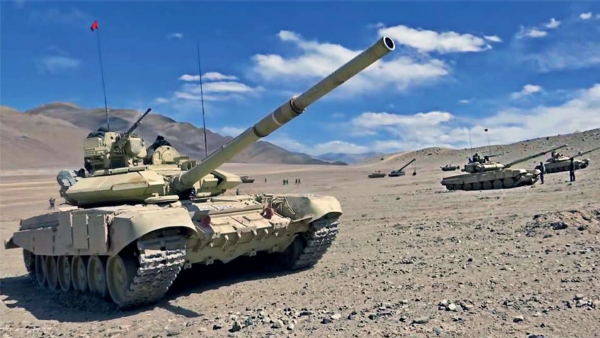
The Indian Army currently deploys heavier Russian-origin tanks like the T-90s and T-72s along the LAC. However, these tanks, weighing in at 40-50 tonnes each, are designed for flatter terrains and not well-suited for the high altitudes of the Himalayas. The Zorawar light tank, weighing around 25 tonnes, is specifically designed for mountainous terrain and will be a valuable asset.
 
 
Beyond Light Tanks: The Need for Fleet Modernization
 
 
The introduction of the Zorawar light tank only addresses part of India's tank problem. The Indian Army has a much larger fleet of aging Russian tanks nearing the end of their life spans that require replacement and modernization. The army plans to address this by issuing a Request for Proposal (RFP) this year for the Future Ready Combat Vehicle (FRCV) program. This program aims to produce 1,770 next-generation tanks in phases, beginning in 2030, to replace the T-72s.
 
 
A Looming Tank Deficit
 
 
However, with over 2,400 T-72s in its inventory, the army reportedly plans to upgrade a significant portion of them with better engines and fire control systems. This leaves a sizeable number of T-72s that won't be upgraded, potentially creating a tank deficit in the near future.
 
 
Seamless Modernization: A Strategic Imperative
 
 
The successful induction of new, advanced tanks alongside the modernization of existing ones is vital to maintain the Indian Army's firepower. While the Zorawar light tank is a positive development, India must maintain its focus on modernizing the bulk of its tank fleet.
 
 
Russia to release Indians fighting in Ukraine war after Modi-Putin talks
 
 
Russia has decided to release and return all Indians fighting for the Russian army in Ukraine, a breakthrough achieved after Prime Minister Narendra Modi raised the issue with President Vladimir Putin during his Moscow visit.
 
The development came after Prime Minister Modi, who is in Moscow for a two-day visit, raised the matter at a private dinner hosted by Putin on Monday evening.
 
Nearly two dozen Indians are believed to have been forced into fighting the war against Ukraine after being tricked by agents into going to the country on the pretext of getting high-paying jobs.
 
"Strong action has been initiated against agents and unscrupulous elements who recruited them on false pretexts and promises.
 
Four Indians have been killed in the war, while 10 have returned to the country. About 35–40 Indians are still believed to be stuck in Russia.