Total Pageviews

Saturday, 15 November 2025

Assessing the Strategic Threat Posed by #Jaish-e-Mohammed's Female Cadre (Jamat-ul-Muminat) and India's Comprehensive Counter-Strategy-Part 1

 https://www.newsbharati.com/Encyc/2025/11/15/jaish-e-mohammed-female.html


Jaish-e-Mohammed views Kashmir not as an isolated conflict zone, but as a "gateway" to the entire Indian subcontinent, whose Muslim population it portrays as being in need of ideological liberation.


Part 1. Strategic Overview: The Post-Sindoor Pivot

Introduction JeM Threat Landscape

The Jaish-e-Mohammed (JeM) is a primary and persistent threat to the security and territorial integrity of India, designated as a terrorist group by the United Nations and numerous nations including the United States and the United Kingdom. Operating as a Deobandi Islamist-jihadist militant organization headquartered in Bahawalpur, Pakistan, JeM was founded in 2000 by Maulana Masood Azhar. The group’s central objective is the forced separation of Jammu and Kashmir (J&K) from India and its integration into Pakistan. 


JeM Female Cadre 


JeM views Kashmir not as an isolated conflict zone, but as a "gateway" to the entire Indian subcontinent, whose Muslim population it portrays as being in need of ideological liberation. Despite being officially banned by the Pakistani government in 2002, the organization has consistently demonstrated extreme resilience and state-ally support, allowing it to continue functioning under various front names, such as Khuddam ul-Islam. JeM’s history is marked by spectacular acts of violence on Indian soil, including the 2001 attack on the Indian Parliament, the 2016 Pathankot attack, and the devastating 2019 Pulwama suicide bombing.

The Impact of Operation Sindoor (May 2025) and Organizational Imperatives

The recent decision by JeM to mobilize a formal female cadre is a direct consequence of the severe operational and leadership crises the organization encountered in 2025. This crisis was triggered by India’s military campaign, Operation Sindoor, launched on May 7, 2025, in direct retaliation for the April 22, 2025 terrorist attack in Pahalgam, J&K, which claimed 26 civilian lives. The strikes targeted the infrastructure and militant facilities of both JeM and its affiliate, Lashkar-e-Taiba (LeT), inside Pakistan and Pakistan-administered Kashmir (PoK).

Operation Sindoor inflicted critical personnel damage at the apex of the JeM command structure. Following the strikes, Masood Azhar released a statement reportedly admitting that 10 of his immediate family members were killed.

Crucially, senior members, including Azhar’s brothers-in-law, Mohammad Yusuf Azhar and Hafiz Muhammed Jameel, were reportedly eliminated during the operation. The substantial loss of highly trusted, high-ranking male commanders necessitated a profound organizational adaptation driven by survival. JeM responded by relocating terror training camps from Pakistan-occupied Kashmir to the hinterland regions of Khyber Pakhtunkhwa and Balochistan, seeking increased operational resilience.

Simultaneously, the formation of the female wing, Jamat-ul-Muminat (JUM), emerged shortly thereafter. This move was not merely an expansion, but a mechanism to institutionalize leadership continuity. The elevation of trusted, blood-related female members to key command roles ensures doctrinal fidelity and maintains control within the Azhar family structure, which is paramount for a personality-driven terrorist organization facing external pressure and potential internal factionalism.

Rationale for the Jamat-ul-Muminat (JUM) Formation

Jamat-ul-Muminat is JeM's recently formalized female brigade, publicly announced through digital platforms for the explicit purpose of recruitment and fundraising. The wing is headed by Sadiya Azhar, who holds a vital position as Masood Azhar’s sister and is the widow of the late commander Mohammad Yusuf Azhar, who was killed in the 2025 conflict. Other senior female relatives, including Azhar's sister Safia and Afreera Farooq, the wife of the Pulwama attack conspirator Umar Farooq, comprise the leadership council.


The rationale behind JUM’s formation is multifaceted and centered on enhancing operational capability and financial sustainability. 

Firstly, JeM utilizes female operatives to circumvent the intensive security scrutiny focused on its male cadre, which increased significantly following Operation Sindoor. 

Secondly, JUM is designed to leverage modern digital infrastructure to expand JeM's recruitment capacity. The online program, 'Tufat al-Muminat', enables the organization to bypass restrictive social norms that historically limited women's physical movement and participation in conservative South Asian society. Finally, the JUM serves as a covert financial conduit. 

The requirement for participants in the online course to pay a fee of ₹500 immediately introduces a low-profile fundraising stream, helping JeM maintain financial liquidity despite international sanctions and scrutiny regarding compliance with Financial Action Task Force (FATF) standards. 

Table I summarizes the direct link between India’s tactical action and JeM’s strategic adaptation.


  • Sindoor adaptation — pre (Pre-May 2025) vs post (Late 2025) and strategic significance

Event / Metric

Pre-Sindoor State (Pre-May 2025)

Post-Sindoor Adaptation (Late 2025)

Strategic Significance of Shift

Leadership profile

Male-dominated command; Azhar family members served as active commanders.

Institutionalizing leadership continuity through trusted female relatives (e.g., Sadiya Azhar).11

Maintains command continuity while reducing exposure of male leaders to targeting; signals role diversification and reliance on kinship networks for resilience.

Operational infrastructure

Camps primarily located in Pakistan-administered Kashmir (PoK).

Camps moved into Khyber Pakhtunkhwa and Balochistan hinterland regions.10

Increases operational resilience by diversifying training locations away from the Line of Control (LoC); complicates detection and interdiction by shifting to less monitored hinterlands.

Recruitment method

Traditional grassroots recruitment via physical mosque and madrassa networks.

Shift to an online recruitment platform ('Tufat al-Muminat') enabling remote outreach.11

Bypasses movement and assembly restrictions; broadens reach to diverse demographics across India (e.g., Uttar Pradesh, South India), and makes tracking recruitment patterns harder.15


II. Ideological and Organizational Shift: JeM's Use of Women Cadres 

JeM’s Deobandi Ideological Constraints and Pre-2025 Women's Roles

JeM operates under a Deobandi Islamist-jihadist doctrine, which, historically, adheres to restrictive interpretations of women’s public roles. Before the emergence of JUM, groups like JeM and its affiliate LeT primarily constrained women’s functions to the domestic sphere, utilizing them as mothers, wives, and educators who reinforce the ideology internally, but strictly prohibiting them from direct combat or suicide missions. Consequently, the traditional roles of women were purely supportive, focusing on essential organizational maintenance. These roles included managing group finances, engaging in subtle fundraising efforts, maintaining membership loyalty, and performing familial indoctrination to ensure the continuity of the extremist identity across generations. 

The formation of JUM, and its recruitment drive for 'fruit soldiers'—a term synonymous with female suicide bombers —represents a major pragmatic shift away from strict doctrinal supremacy. This operational pivot suggests that the existential threats faced by JeM post-Operation Sindoor have made the tactical advantages offered by female combatants indispensable. The necessity for high-impact, successful operations now supersedes previous theological constraints against women engaging in violence. When a terror group suffers devastating command losses, as JeM did, operational imperatives often dictate a rapid ideological justification for new, shock-value tactics. This move validates the use of female operatives in combat roles, effectively weaponizing martyrdom culture for women as a necessary sacrifice for the preservation of the organization.

The Mandate and Leadership of JUM

The JUM’s mandate is dual: internal consolidation and external expansion, often through methods of psychological warfare. The emphasis on family control through Sadiya Azhar's leadership is strategic; it ensures unwavering internal loyalty and mitigates the risk of factional splintering, which commonly occurs when key male commanders are killed or captured.

Organizationally, JUM is designed to be a resilient, digitally supported structure. Beyond its recruitment function, the online course structure functions as a reliable financial mechanism. By framing the fundraising as a fee for educational material ('Tufat al-Muminat'), JeM attempts to obscure its financial activities from international regulators, ensuring a constant flow of funds necessary for sustaining the broader terror network.

The New Recruitment Ecosystem: Digital Radicalization and Targeted Demographics

 The JUM initiative utilizes a highly modernized recruitment strategy that exploits digital spaces to overcome physical limitations and cultural constraints, facilitating a geographically diverse intake of new operatives. The online course, commencing in November, offers daily, structured sessions aimed at systematic indoctrination.

The digital approach targets three distinct, highly valuable demographics:

Affiliated Network: Wives and female relatives of current and deceased JeM commanders, providing ideological reinforcement and network loyalty. 

Vulnerable Population: Economically vulnerable women who may be swayed by financial incentives or the promise of belonging. 

High-Utility Operatives: Educated urban women, particularly those residing in Indian states outside J&K, such as Uttar Pradesh and South India. These individuals possess the necessary social mobility and intelligence to blend into metropolitan environments, making them ideal for deep reconnaissance, logistics, and establishing sleeper cells far from traditional conflict zones.


The group’s propaganda strategically uses narratives of sisterhood, redemption, and ideological commitment. In conservative South Asian contexts, the promise of martyrdom can be particularly potent, often framed as a means for women who feel dishonored or socially compromised—such as victims of sexual violence or those facing severe social stigma—to gain redemption and restore familial honor. This sophisticated use of gendered vulnerability underscores the JUM’s strategic depth in psychological warfare.

III. The Operational Threat Matrix: Infiltration and Tasking 

3.1. Infiltration Vector Analysis: Leveraging Gender Concealment at the LoC and IB

 The deployment of female cadres significantly challenges existing counter-infiltration measures, which primarily profile male threats in border regions. Female operatives exploit established cultural norms in South Asia, which result in women being subject to inherently less scrutiny and less rigorous searches at checkpoints compared to men, granting them a critical concealment advantage.

While the militarized Line of Control (LoC) remains a route of concern—especially given that women on the Pakistani side have historically played a role in influencing infiltration dynamics —the most complex threat now originates from internal radicalization. Through its digital platforms, JeM is actively recruiting within the Indian heartland (e.g., UP and South India). If successful, these locally recruited operatives negate the need for dangerous cross-LoC physical infiltration. They operate using legitimate Indian identities, moving freely across state lines, transforming the infiltration challenge from a border security issue into a nationwide counter-intelligence and anti-sleeper cell operation. The security focus must therefore rapidly shift from physical border containment to pervasive surveillance of digital platforms and urban anti-terror operations.


#Countering White-Collar terrorism-Challenges, and Comprehensive Counter Measures

https://www.newsbharati.com//Encyc/2025/11/15/white-collar-terrorism.html 

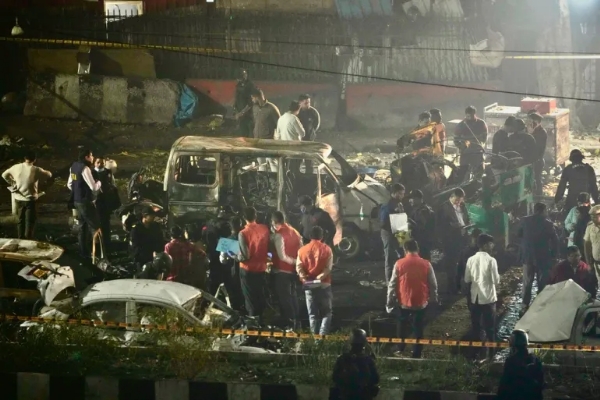
The bomb blast that shook Delhi and the nation has brought to the forefront new and serious challenges regarding the selection of terrorists, their modus operandi, and the use of lethal material. The active participation of highly educated individuals in terrorist activities is particularly concerning. This article reviews the current challenges and suggests some comprehensive measures to curb terrorist incidents.
 
Delhi Blast
 
 
The Incident and New Challenges
 
 
On the evening of November 10th, a powerful explosion near the Red Fort resulted in the death of 13 innocent people. The National Investigation Agency (NIA) is currently investigating the blast.
 
 
Serious Concerns
 
 
Highly Educated Accused: Many arrested accused, such as Dr. Umar Nabi (a professor at Al-Falah University), Dr. Mujammil Ahmed Ganai, and Dr. Shaheen Sayeed, are all doctors or highly educated individuals. They possess medical as well as computer skills. Al-Qaeda chief Osama bin Laden and his associates were also highly educated. This proves that the notion that terrorism is solely linked to poverty or illiteracy is false.
 
 
Use of Women: Dr. Shaheen Sayeed was an activist of the newly formed women's organization, 'Jamaat-ul-Mominat'. The banned organization 'Jaish-e-Mohammed' created this group to recruit women for terrorist acts in India following 'Operation Sindoor'. Like ISIS, 'Jaish-e-Mohammed' is now using women for attacks and suicide missions.


Explosives and Arms: 2,900 kg of explosives, arms, and other materials were seized from the house of Dr. Ganai in Faridabad. This massive quantity of explosives indicates that the terrorists had been stockpiling them for many months.
 
 
Cross-Border Assistance: The statements of the accused revealed that arms were sent from Pakistan with the help of drones in the border areas of Gujarat to acquire weaponry.
 
Comprehensive Counter-Terrorism Measures
 
 
Given the nature and network of terrorism, measures at a single level are insufficient. The following multi-dimensional and comprehensive steps are necessary:
 
 
Strengthening Technology and Cyber Security
 
 
Control over Social Media: Terrorists are misusing privacy-focused social media platforms like WhatsApp. It is necessary to establish international rules and policies to overcome the hurdles faced by sovereign nations' security agencies in obtaining information.
 
 
Use of Indigenous Technology: Encourage the increased use of secure indigenous platforms and apps developed by Indians, such as ‘Zoho Mail’ and ‘Arattai’. This will prevent national data from falling into the hands of foreign administrations and make it easier for security agencies to gather information.


Financial Transactions: Establish strict laws and a Technical Surveillance system to stop the trade of drugs and arms using virtual currencies (Cryptocurrency) like Bitcoin.
 
 
Human Intelligence and Community Participation
 
 
Human Intelligence (HUMINT): Information based solely on technology is insufficient. Terrorists often use false names and codes. Therefore, the system for gathering secret information on the ground with the help of individuals (Human Intelligence) needs to be more trained and strengthened.
 
 
Integration of the Muslim Community: The fight against terrorism requires a unified effort from all sections of society. The Muslim community, which believes in democracy, must step forward to condemn religious fundamentalism and misconduct. They should make special efforts to report information about people spreading extremist ideas in their vicinity to security agencies.
 
 
Police Mitra (Friend of Police) Scheme: It is crucial to involve common people as ‘Police Mitra’ and train them to be vigilant and provide information about suspicious individuals and activities to security agencies.
 
 
Legal and Administrative Reforms
 
 
Tenant Information: It must be mandatory for landlords to provide tenant information to the police, and strict legal action should be taken against those who fail to do so. This will ensure that terrorists cannot rent places for residence due to financial greed.
 
 
Regulation of Explosive Material: All vendors selling the chemical components, timers, and metal sheets required for explosives must be legally obligated to report to the police whom they sold the material to, and this should be regularly inspected.
 
 
Vehicle Inspection and Purchase: Regular vehicle inspections should be carried out at various points to prevent the transport of explosives. Also, strict rules must be introduced to curb the practice of giving false addresses when purchasing a vehicle and its easy acceptance.
 
 
Need for a Long-Term Blueprint
 
 
In this context, some significant measures are necessary:
 
 
Increasing Security and Intelligence Monitoring in Universities:
 
Appoint experienced intelligence experts instead of relying on general staff as Security Officers.
 
 
Identifying and Destroying Sources of Radical Propaganda: 

 
Strong Cyber-Intelligence is required to manage online radicalism, social media networks, and encrypted communication.
 
 
Community-Level Awareness and Responsibility:
 
The Muslim community and its leadership must take an active role in stopping the brainwashing of youth.
Stopping Ideology-Based Intervention in Educational Institutions:
 
 
Some institutions have become centers of fundamentalism. Their audit, monitoring, and reform are mandatory.
Rehabilitation and De-radicalization Programs:
 
 
Formulate a national-level policy for scientific, psychological, and community-based rehabilitation.
 
Initiatives at the Education Level
 
 
Focus must be placed on the following in schools and higher education institutions:
 
 
  • Education in Tolerance and Equality
  • Curriculum Inclusion: Include values of tolerance, multiculturalism, and secularism in the school curriculum. There should be lessons teaching respect for all religions and cultures.
  • Critical Thinking: Encourage students to analyze information and to view any claim or ideology with a critical perspective. This will help them protect themselves from the false propaganda of radical ideologies.
  • Moral and Civic Education: Make young people aware of their duties and rights as responsible citizens. Implement programs that foster love and loyalty towards the nation.
 
 
Teacher Training
 
 
Train teachers to identify the 'signs of radicalization'. Teachers should have the capacity to recognize if a student's mental and behavioral direction is changing.
 
 
Peace Education: Train teachers in non-violent methods of conflict resolution and maintaining a peaceful atmosphere in the classroom.
 
 
Constructive Use of Technology
 
 
Provide Digital Literacy to students to combat the false and radical ideas spreading on the internet and social media.
Offer education focused on Higher Education and Professional Skills so that young people are engaged in constructive work, their social and economic status improves, and they are less likely to fall into the trap of radicalism.
 
Initiatives at the Social Level
 
 
Combining educational efforts with social initiatives will make the fight against terrorism more effective:
 
 
Community Dialogue and Trust Building
 
 
Interfaith Dialogue: Organize regular dialogue sessions and discussions for people of different faiths and communities, which will help dispel misunderstandings and increase mutual respect.
 
 
Youth Empowerment: Engage youth in constructive activities such as sports, arts, and social service. Provide Counselling Centres where they can express their problems and seek help.

 
Involvement of Credible Muslim Leaders: Actively encourage liberal, educated, and peace-loving Muslim religious leaders and thinkers to speak out against radicalism. They should disseminate information that refutes extremist ideologies to the general public.
 
 
Economic and Social Justice
 
 
Equal Opportunities: Provide equal economic and job opportunities so that youth from any community do not turn to radicalism due to unemployment and discrimination.
 
 
Inclusivity: Implement special government schemes and social initiatives to bring marginalized and neglected sections of society into the mainstream. This will reduce their sense of deprivation.
 
 
Social Media Activism
 
 
Positive Messaging: Run a Counter-Narratives Campaign on social media to counter radicalism by spreading messages of peace, love, and unity. This should use creative and inspirational videos, articles, and posts.
 
 
Fact-Checking: Establish fact-checking centers and voluntary groups to verify the truth of Fake News and inflammatory information being circulated on social media, helping people distinguish between truth and falsehood.
Fighting terrorism and radicalism is not just the responsibility of security agencies but a collective responsibility of the entire society. It is only through education and social cohesion that this threat can be overcome.
 
 
Final Thoughts
 
 
Education is not a cure for radicalism. The illusion that economic development or higher education will keep people away from religious extremism must now be dispelled. Whether it's 9/11 in America or 10/11 in Delhi, this is the lesson that needs to be learned. The only effective solution to completely eradicate the threat of terrorism is for government agencies, security forces, and ordinary citizens to work in unity and oppose radical ideology at the social and ideological level.
 
 
White-collar Jihad is becoming the biggest and most complex threat to India's internal security. It symbolizes a new phase of terrorism—where the enemy is not a gunman, but an educated 'Jihadi' holding a laptop, stethoscope, engineering degree, or research papers. To face this new challenge, India requires a combined response from society, the state, and the security system. The battle of White-collar Jihad is a battle of ideology—and to win it, awareness, intellectual vigilance, and national integration are essential.
 

#व्हाईट कॉलर दहशतवाद्यांचा मुकाबला करण्यासाठी हवी सर्वसमावेशक उपाययोजना

व्हाईट कॉलर दहशतवाद्यांचा मुकाबला करण्यासाठी हवी सर्वसमावेशक उपाययोजना -...

नौगाम पोलीस ठाण्यात स्फोटात ९ ठार त्याचे विश्लेषण- white कॉलर दहशतवादी यांचा मुकाबला करण्याकरता सर्वसमावेशक उपाययोजना

जम्मू-काश्मीर: नौगाम पोलीस ठाण्यात स्फोटात ९ ठार; संघ फरिदाबादमध्ये जप्त केलेल्या स्फोटक नमुन्यांची तपासणी करत होता.

श्रीनगरच्या उपनगरातील नौगाम पोलीस ठाण्यात स्फोट झाल्याने नऊ लोकांचा मृत्यू झाला असून, अन्य काही जखमी झाले आहेत. पीटीआयनुसार, 'व्हाईट-कॉलर' दहशतवादी मॉड्यूल प्रकरणाच्या संदर्भात नुकत्याच जप्त केलेल्या स्फोटकांच्या प्रचंड साठ्यातून पोलीस आणि न्यायवैद्यक पथकाचे अधिकारी नमुने काढत असताना हा स्फोट झाला. अधिकाऱ्यांनी दिलेल्या माहितीनुसार, हे साहित्य हरियाणातील फरिदाबाद येथून आणले होते आणि अटक करण्यात आलेल्या डॉक्टर मुझम्मिल गनाई यांच्या भाड्याच्या घरातून जप्त केलेल्या ३६० किलो स्फोटक रसायनांच्या साठ्याचा ते भाग होते, असे पीटीआयने कळवले.

मृतदेह श्रीनगरमधील पोलीस नियंत्रण कक्षात हलवण्यात आले आहेत. अधिकाऱ्यांनी सांगितले की, किमान २४ पोलीस कर्मचारी आणि तीन नागरिकांना शहरातील विविध रुग्णालयांमध्ये दाखल करण्यात आले आहे. जखमींपैकी पाच जण गंभीर अवस्थेत असून, मृतांचा आकडा वाढण्याची शक्यता अधिकाऱ्यांनी वर्तवली आहे.

या प्रचंड स्फोटामुळे रात्रीची शांतता भंग झाली आणि पोलीस ठाण्याच्या इमारतीचे मोठे नुकसान झाले. जखमींना जवळच्या रुग्णालयात नेत असताना रुग्णवाहिका आणि पोलिसांची वाहने सायरन वाजवत घटनास्थळी धावली.

पहिल्या स्फोटानंतर झालेल्या छोट्या, लागोपाठच्या स्फोटांमुळे बॉम्ब निकामी करणाऱ्या पथकाच्या बचाव कार्यात थोडा विलंब झाला. अधिकाऱ्यांनी सांगितले की, जप्त केलेले काही स्फोटके पोलीस न्यायवैद्यक प्रयोगशाळेत ठेवण्यात आले असले तरी, ३६० किलो स्फोटकांचा मोठा साठा नौगाम पोलीस ठाण्यात ठेवण्यात आला होता, जिथे दहशतवादी मॉड्यूलशी संबंधित मुख्य गुन्हा नोंदवण्यात आला आहे.

दहशतवादी मॉड्यूलचा पर्दाफाश ऑक्टोबर महिन्याच्या मध्यात बनपुरा, नौगाम येथील भिंतींवर पोलीस आणि सुरक्षा दलांना लक्ष्य करणारे धमकी देणारे पोस्टर्स दिसल्यानंतर या दहशतवादी मॉड्यूलचा पर्दाफाश झाला. श्रीनगर पोलिसांनी १९ ऑक्टोबर रोजी गुन्हा नोंदवला आणि तपास करण्यासाठी विशेष पथक तयार केले. तपशीलवार सीसीटीव्ही विश्लेषणानंतर आरिफ निसार दार उर्फ साहिल, यासिर-उल-अशरफ आणि मकसूद अहमद दार उर्फ शाहिद यांना अटक करण्यात आली – हे सर्व पूर्वी दगडफेकीच्या प्रकरणांमध्ये नोंदवले गेले होते – आणि त्यांना पोस्टर्स चिकटवताना पाहिले गेले होते. त्यांच्या चौकशीतून मौलवी इरफान अहमद, जो माजी पॅरामेडिक-बनलेला इमाम (शोपीयनचा) आहे आणि डॉक्टरांना कट्टरपंथी बनवण्याचा आणि पोस्टर्स पुरवण्याचा आरोपी आहे, त्याचे नाव समोर आले.

टीप: २९०० किलो स्फोटके, ५ किलो जड धातू: दिल्ली-एनसीआरमध्ये मोठ्या दहशतवादी मॉड्यूलचा पर्दाफाश; पोलिसांना फरिदाबादमध्ये काय सापडले.

या तपासामुळे पोलिसांना अखेरीस फरिदाबादमधील अल फलाह विद्यापीठापर्यंत पोहोचता आले, जिथे डॉक्टर मुझम्मिल अहमद गनाई आणि शाहीन सईद यांना अटक करण्यात आली, आणि जिथे तपासकर्त्यांनी ३६० किलो संशयित अमोनियम नायट्रेट, तसेच रसायने, डेटोनेटर्स, तारा आणि बॉम्ब बनवण्याचे इतर घटक असलेले २,९०० किलो आयईडी बनवण्याचे साहित्य जप्त केले. या आठवड्याच्या सुरुवातीला एका ह्युंदाई आय २० (Hyundai i20) गाडीत शक्तिशाली स्फोट झाला होता.

Friday, 14 November 2025

कश्मीर श्रीनगर नवगाव पोलीस स्टेशन मध्ये मोठा स्पोर्ट अनेक पोलीस कर्मचारी...

जम्मू-काश्मीर: नौगाम पोलीस ठाण्यात स्फोटात ९ ठार; संघ फरिदाबादमध्ये जप्त केलेल्या स्फोटक नमुन्यांची तपासणी करत होता. टाइम्स ऑफ इंडिया डॉट कॉम | १५ नोव्हेंबर २०२५, सकाळी ०८:४४ IST नवी दिल्ली: श्रीनगरच्या उपनगरातील नौगाम पोलीस ठाण्यात स्फोट झाल्याने नऊ लोकांचा मृत्यू झाला असून, अन्य काही जखमी झाले आहेत. पीटीआयनुसार, 'व्हाईट-कॉलर' दहशतवादी मॉड्यूल प्रकरणाच्या संदर्भात नुकत्याच जप्त केलेल्या स्फोटकांच्या प्रचंड साठ्यातून पोलीस आणि न्यायवैद्यक पथकाचे अधिकारी नमुने काढत असताना हा स्फोट झाला. अधिकाऱ्यांनी दिलेल्या माहितीनुसार, हे साहित्य हरियाणातील फरिदाबाद येथून आणले होते आणि अटक करण्यात आलेल्या डॉक्टर मुझम्मिल गनाई यांच्या भाड्याच्या घरातून जप्त केलेल्या ३६० किलो स्फोटक रसायनांच्या साठ्याचा ते भाग होते, असे पीटीआयने कळवले.

टीप: जम्मू-काश्मीरमध्ये स्फोटात ६ ठार: नौगाम पोलीस ठाण्यामध्ये 'व्हाईट-टेरर' मॉड्यूलच्या स्फोटकांचा स्फोट झाल्याचा नेमका क्षण सीसीटीव्हीमध्ये कैद.

मृतदेह श्रीनगरमधील पोलीस नियंत्रण कक्षात हलवण्यात आले आहेत. अधिकाऱ्यांनी सांगितले की, किमान २४ पोलीस कर्मचारी आणि तीन नागरिकांना शहरातील विविध रुग्णालयांमध्ये दाखल करण्यात आले आहे. जखमींपैकी पाच जण गंभीर अवस्थेत असून, मृतांचा आकडा वाढण्याची शक्यता अधिकाऱ्यांनी वर्तवली आहे.

या प्रचंड स्फोटामुळे रात्रीची शांतता भंग झाली आणि पोलीस ठाण्याच्या इमारतीचे मोठे नुकसान झाले. जखमींना जवळच्या रुग्णालयात नेत असताना रुग्णवाहिका आणि पोलिसांची वाहने सायरन वाजवत घटनास्थळी धावली.

पहिल्या स्फोटानंतर झालेल्या छोट्या, लागोपाठच्या स्फोटांमुळे बॉम्ब निकामी करणाऱ्या पथकाच्या बचाव कार्यात थोडा विलंब झाला. अधिकाऱ्यांनी सांगितले की, जप्त केलेले काही स्फोटके पोलीस न्यायवैद्यक प्रयोगशाळेत ठेवण्यात आले असले तरी, ३६० किलो स्फोटकांचा मोठा साठा नौगाम पोलीस ठाण्यात ठेवण्यात आला होता, जिथे दहशतवादी मॉड्यूलशी संबंधित मुख्य गुन्हा नोंदवण्यात आला आहे.

दहशतवादी मॉड्यूलचा पर्दाफाश ऑक्टोबर महिन्याच्या मध्यात बनपुरा, नौगाम येथील भिंतींवर पोलीस आणि सुरक्षा दलांना लक्ष्य करणारे धमकी देणारे पोस्टर्स दिसल्यानंतर या दहशतवादी मॉड्यूलचा पर्दाफाश झाला. श्रीनगर पोलिसांनी १९ ऑक्टोबर रोजी गुन्हा नोंदवला आणि तपास करण्यासाठी विशेष पथक तयार केले. तपशीलवार सीसीटीव्ही विश्लेषणानंतर आरिफ निसार दार उर्फ साहिल, यासिर-उल-अशरफ आणि मकसूद अहमद दार उर्फ शाहिद यांना अटक करण्यात आली – हे सर्व पूर्वी दगडफेकीच्या प्रकरणांमध्ये नोंदवले गेले होते – आणि त्यांना पोस्टर्स चिकटवताना पाहिले गेले होते. त्यांच्या चौकशीतून मौलवी इरफान अहमद, जो माजी पॅरामेडिक-बनलेला इमाम (शोपीयनचा) आहे आणि डॉक्टरांना कट्टरपंथी बनवण्याचा आणि पोस्टर्स पुरवण्याचा आरोपी आहे, त्याचे नाव समोर आले.

टीप: २९०० किलो स्फोटके, ५ किलो जड धातू: दिल्ली-एनसीआरमध्ये मोठ्या दहशतवादी मॉड्यूलचा पर्दाफाश; पोलिसांना फरिदाबादमध्ये काय सापडले.

या तपासामुळे पोलिसांना अखेरीस फरिदाबादमधील अल फलाह विद्यापीठापर्यंत पोहोचता आले, जिथे डॉक्टर मुझम्मिल अहमद गनाई आणि शाहीन सईद यांना अटक करण्यात आली, आणि जिथे तपासकर्त्यांनी ३६० किलो संशयित अमोनियम नायट्रेट, तसेच रसायने, डेटोनेटर्स, तारा आणि बॉम्ब बनवण्याचे इतर घटक असलेले २,९०० किलो आयईडी बनवण्याचे साहित्य जप्त केले. या आठवड्याच्या सुरुवातीला एका ह्युंदाई आय २० (Hyundai i20) गाडीत शक्तिशाली स्फोट झाला होता.

#DELHI BOMB BLAST-पाकिस्तान आणि चीन विरोधात भारताची अनेक स्तरांवरची लढाई...

Thursday, 13 November 2025

Explosive Stockpiles in West Bengal, Opposition to the 'SIR' Campaign, and the Threat to Internal Security


Explosive Stockpiles in West Bengal, Opposition to the 'SIR' Campaign, and the Threat to Internal Security

The nation is reeling from the bomb blasts in Delhi and the massive explosives seizure in Faridabad, and now, concerning information is emerging from West Bengal. Last week, over 80 bombs were seized in Bengal, and 773 crude bombs were neutralized in just six days. Since these events are unfolding against the backdrop of the Special Electoral Roll Revision (SIR) campaign being conducted by the Election Commission, the suspicion that this entire situation is a coordinated part of pressure tactics only grows stronger.


The Importance of the 'SIR' Campaign and the Opponents' Defensive Stance

SIR (Special Electoral Roll Revision) is a national campaign aimed at updating electoral rolls to make them more error-free and transparent. This campaign was extremely successful in Bihar, where the removal of millions of illegal names led to a record surge in voter turnout—66.90%. Despite this, many opposition parties are seen vehemently opposing the campaign.

West Bengal and Tamil Nadu approached the court seeking a stay on the campaign. However, the Supreme Court clearly questioned:

"You accept other decisions of the Election Commission, but why oppose the process of improving electoral rolls?"

The court refused to halt the campaign, firmly stating that keeping the electoral rolls clean is essential for preserving democracy.


The Reality of West Bengal: Infiltrators, Political Violence, and the Shadow of Explosives

The problem of internal security in West Bengal is a matter of concern across the country.

  • Many sources indicate that over one crore infiltrators are residing in Bengal.

  • There are frequent allegations that these individuals are being given political patronage.

  • The violence following the last Assembly election results became a topic of national debate.

During the same period, large stockpiles of bombs were found in Murshidabad and other areas, and security agencies have clearly stated that this was a plan for pre-election violence. The fact that these findings emerged precisely when the electoral roll revision was underway is not a mere coincidence.


Democracy and Security: Pressure on Multiple Fronts

The task of updating electoral rolls rests with the Booth Level Officers (BLOs). Complaints have been received in many states, especially Bengal, that these officials are being threatened.

Messages like "Don't keep these names," "Don't go to this area," and "Remove the names of specific voters" clearly indicate political interference in the democratic process. The issue is further aggravated by political parties showing distrust in the Election Commission. The fundamental principle—that the Election Commission's role is to serve the system, not any single party—is being ignored.


Impact on Internal Security: The Growing Threat of Conspiracy

The confluence of the Delhi blast, the explosive stockpiles in Bengal, and the rising religious tension in border areas suggests a larger conspiracy. Security agencies have reported that terrorist elements like Hafiz Saeed are attempting to send terrorists into India from Bangladesh. The new launch-pad locations in Bangladesh seem to align with the developments in Bengal.

The combined result of explosives, threats, and political opposition is a direct attack on India's internal security.


Conclusion: Election Security is National Security

Today, the purity of the electoral roll, digital protection, and a free-and-fair voting process are no longer just administrative tasks; they have become an integral part of the national security policy.

Instead of opposing the 'SIR' for political motives, the opposition is expected to respect the fundamental principles of democracy. It is the joint duty of the Central and State governments to keep the electoral process safe and transparent.

If India's democratic journey is to be strengthened, it is imperative to maintain clean electoral rolls, prevent violence, and trust the Election Commission.